

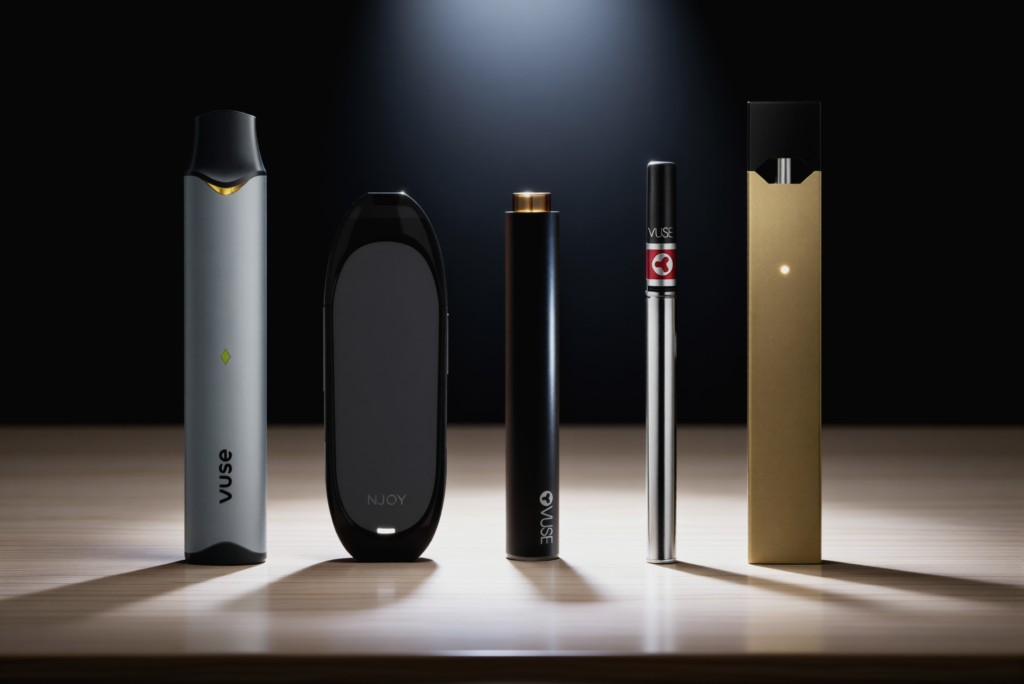
As of May 2026, the FDA has authorized exactly 45 electronic nicotine delivery system (ENDS) products for legal sale in the United States. That number sounds bigger than it is. Strip away heated tobacco products, duplicate entries, and discontinued devices, and you are left with roughly a dozen distinct vaping products you can actually buy. Every single one of them comes from just five companies.
Related research: E-cigarette nicotine delivery research (PubMed 38253598).
This list has not existed in a vacuum. The regulatory landscape shifted dramatically on May 5, 2026, when the FDA did something it had never done before: it authorized the sale of fruit-flavored e-cigarettes. Glas Inc., a small Los Angeles-based manufacturer, received marketing orders for mango and blueberry pods, breaking a years-long de facto ban on any flavor beyond tobacco and menthol.
If you are a vaper, a retailer, or someone trying to understand which e-cigarettes are actually legal in the U.S., this guide breaks down every FDA-authorized product, how the authorization process works, and what changed in 2026.
Key takeaways
- 45 ENDS products have received FDA Marketing Granted Orders (MGOs) through the PMTA pathway as of May 2026, per FDA’s official count
- Only 5 brands have authorized e-cigarette products: Vuse, NJOY, Logic, JUUL, and Glas
- Fruit flavors are now authorized for the first time — Glas mango and blueberry pods received MGOs on May 5, 2026, as covered in our FDA authorizes fruit-flavored vapes report
- Most disposable vapes are illegal — brands like Elf Bar, Geek Bar, Lost Mary, and Breeze have zero FDA authorization
- Authorization is not approval — the FDA does not say these products are safe, only that they meet the public health standard
How a vape gets FDA authorization
Before looking at the list, it helps to understand the process. The FDA regulates e-cigarettes as tobacco products under the Family Smoking Prevention and Tobacco Control Act of 2009. To sell a vape legally in the U.S., a manufacturer must submit a Premarket Tobacco Product Application (PMTA).
A PMTA is not a form you fill out. It is a scientific dossier that can run thousands of pages and cost millions of dollars. The FDA reviews toxicological data, manufacturing processes, ingredient lists, and, most importantly, whether the product is “appropriate for the protection of public health.” That means the agency weighs the potential benefit to adult smokers who might switch from cigarettes against the risk that the product attracts new users, especially underage ones.
Related research: CDC: Health effects of e-cigarettes.
The process works like this:
| Step | What happens | Timeline |
|---|---|---|
| 1. PMTA submission | Manufacturer submits scientific data package | Varies |
| 2. FDA acceptance review | FDA checks if application is complete enough to review | 30–90 days |
| 3. Substantive review | FDA evaluates health data, youth risk, and manufacturing | 1–3+ years |
| 4. Decision | Marketing Granted Order (MGO) or denial | — |
| 5. Post-market surveillance | Ongoing compliance monitoring; MGO can be withdrawn | Indefinite |
Most applications get denied. Over one million PMTAs were submitted, and the vast majority were refused. The ones that make it through tend to come from companies with deep pockets and data to match.
Complete list of FDA-authorized e-cigarettes (May 2026)
The table below covers every ENDS product with an active FDA Marketing Granted Order as of May 18, 2026. Data is cross-referenced with the FDA’s official PMTA marketing granted orders page.
1. Vuse (R.J. Reynolds Vapor Company)
Vuse was the first major brand to receive FDA authorization, and it still has the most authorized products. All Vuse MGOs cover tobacco-flavored pods only.
| Product | Flavor | Nicotine | MGO date |
|---|---|---|---|
| Vuse Solo Power Unit | Device | — | Oct 12, 2021 |
| Vuse Solo Cartridge Original 4.8% G1 | Tobacco | 4.8% | Oct 12, 2021 |
| Vuse Solo Cartridge Original 4.8% G2 | Tobacco | 4.8% | Oct 12, 2021 |
| Vuse Vibe Power Unit | Device | — | Mar 24, 2022 |
| Vuse Vibe Cartridge | Tobacco | 2.4% | Mar 24, 2022 |
| Vuse Ciro Power Unit | Device | — | Mar 24, 2022 |
| Vuse Ciro Cartridge | Tobacco | 1.5% | Mar 24, 2022 |
| Vuse Alto Power Unit | Device | — | Jul 18, 2024 |
| Vuse Alto Pod Golden Tobacco 5.0% | Tobacco | 5.0% | Jul 18, 2024 |
| Vuse Alto Pod Rich Tobacco 5.0% | Tobacco | 5.0% | Jul 18, 2024 |
| Vuse Alto Pod Golden Tobacco 2.4% | Tobacco | 2.4% | Jul 18, 2024 |
| Vuse Alto Pod Rich Tobacco 2.4% | Tobacco | 2.4% | Jul 18, 2024 |
| Vuse Alto Pod Golden Tobacco 1.8% | Tobacco | 1.8% | Jul 18, 2024 |
| Vuse Alto Pod Rich Tobacco 1.8% | Tobacco | 1.8% | Jul 18, 2024 |
Note: The Vuse Ciro has been discontinued by the manufacturer. It remains on the FDA list but is not currently sold.
2. NJOY (NJOY LLC, now owned by Altria)
NJOY is the only brand with both tobacco and menthol-flavored products authorized across multiple device formats.
| Product | Flavor | Nicotine | MGO date |
|---|---|---|---|
| NJOY Daily Disposable — Rich Tobacco | Tobacco | 4.5% | Apr 26, 2022 |
| NJOY Daily Extra Disposable — Rich Tobacco | Tobacco | 6.0% | Apr 26, 2022 |
| NJOY Daily Disposable — Menthol | Menthol | 4.5% | Jun 21, 2024 |
| NJOY Daily Extra Disposable — Menthol | Menthol | 6.0% | Jun 21, 2024 |
| NJOY ACE Device | Device | — | Apr 26, 2022 |
| NJOY ACE Pod — Rich Tobacco 5.0% | Tobacco | 5.0% | Apr 26, 2022 |
| NJOY ACE Pod — Classic Tobacco 2.4% | Tobacco | 2.4% | Apr 26, 2022 |
| NJOY ACE Pod — Menthol 5.0% | Menthol | 5.0% | Jun 21, 2024 |
| NJOY ACE Pod — Menthol 2.4% | Menthol | 2.4% | Jun 21, 2024 |
3. Logic (Japan Tobacco International)
Logic makes closed-pod systems aimed squarely at former smokers. The authorized products are all tobacco-flavored.
| Product | Flavor | MGO date |
|---|---|---|
| Logic Power Device + Regular Cartridge | Tobacco | Mar 24, 2022 |
| Logic Pro Capsule Tank System + Tobacco e-Liquid | Tobacco | Mar 24, 2022 |
| Logic Vapeleaf Tobacco Vapor System + Vapeleaf Cartridge | Tobacco | Mar 24, 2022 |
4. JUUL (JUUL Labs Inc.)
JUUL’s path to authorization was anything but smooth. The FDA issued a marketing denial order in June 2022, then placed it on administrative hold, and finally granted authorization in July 2025 after reviewing updated scientific data.
| Product | Flavor | Nicotine | MGO date |
|---|---|---|---|
| JUUL Device | Device | — | Jul 17, 2025 |
| JUUL Pod — Virginia Tobacco | Tobacco | 5.0% | Jul 17, 2025 |
| JUUL Pod — Virginia Tobacco | Tobacco | 3.0% | Jul 17, 2025 |
| JUUL Pod — Menthol | Menthol | 5.0% | Jul 17, 2025 |
| JUUL Pod — Menthol | Menthol | 3.0% | Jul 17, 2025 |
5. Glas G2 (Glas Inc.) — NEW in 2026
Glas is the newest and most interesting entry on this list. The Inglewood, California-based company received its first MGO on March 12, 2026, for the Glas G2 device and a Blonde Tobacco pod. Then, on May 5, 2026, the FDA authorized four more Glas pods, including the first-ever fruit-flavored e-cigarettes.
What made Glas different? The G2 device includes Bluetooth-enabled Device Access Restriction (DAR), which requires age verification through a smartphone app before the device can be used. The FDA cited this technology as a key factor in its decision to authorize the fruit flavors.
| Product | Flavor | Nicotine | MGO date |
|---|---|---|---|
| Glas G2 Device | Device | — | Mar 12, 2026 |
| Glas G2 Pod — Blonde Tobacco | Tobacco | 5.0% | Mar 12, 2026 |
| Glas G2 Pod — Classic Menthol | Menthol | 5.0% | May 5, 2026 |
| Glas G2 Pod — Fresh Menthol | Menthol | 5.0% | May 5, 2026 |
| Glas G2 Pod — Gold (Mango) | Fruit (mango) | 5.0% | May 5, 2026 |
| Glas G2 Pod — Sapphire (Blueberry) | Fruit (blueberry) | 5.0% | May 5, 2026 |
What is NOT on the list
The gaps matter more than the entries. These popular brands and categories have zero FDA-authorized products:
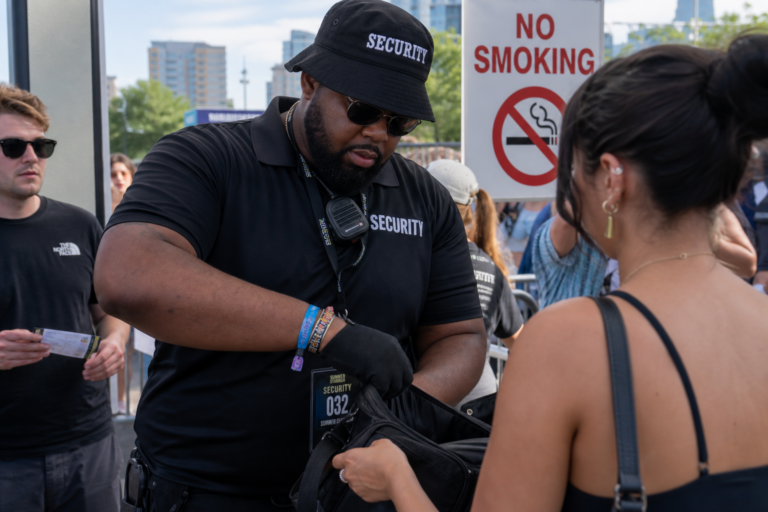
- Disposable vapes (Elf Bar, Geek Bar, Lost Mary, Breeze, Vozol, Mr. Fog, etc.) — none have PMTA authorization. The FDA has issued hundreds of warning letters to retailers selling these products. See our guide on how to spot a fake vape for more on the counterfeit disposable market.
- Blu (Imperial Brands/ITG Brands) — blu withdrew certain PMTA applications and has no authorized products. Some retailers still sell blu devices, but those sales exist in a regulatory gray zone.
- Open-tank/mod systems — no refillable tank device or bottled e-liquid has received an MGO. The PMTA cost and complexity for open systems has kept every manufacturer away.
- Nicotine-free vapes — products with zero tobacco-derived ingredients may not fall under FDA tobacco jurisdiction, but they also carry no FDA authorization. See our article on are nicotine-free vapes safe for the regulatory nuances.
The federal seize-and-destroy authority applies to any vape without a valid marketing order. The FDA and CBP have seized over 6 million illegal e-cigarettes worth more than $100 million between 2024 and 2025 alone.
What changed in 2026: the Glas breakthrough
The May 5, 2026 authorization of fruit-flavored Glas pods is the most significant shift in FDA vape policy since the original Vuse authorization in 2021. Here is why it matters.
Under the previous administration, the FDA denied more than one million PMTA applications for flavored e-cigarettes. The reasoning was consistent: fruit and candy flavors attract youth, and the risk of underage initiation outweighs any benefit to adult smokers switching from cigarettes.
Glas changed the equation by building age-gating technology directly into the hardware. The G2 device requires a Bluetooth-connected smartphone app that verifies the user’s age through ID scanning and facial recognition before the device will fire. The app also enforces usage lockouts and can be remotely disabled.
The FDA concluded that this access-restriction technology, combined with required marketing restrictions, “is expected to effectively mitigate the ability of youth to use the product.” It is the first time the agency has accepted a software-based age gate as sufficient protection against underage use.
On March 9, 2026, the FDA also released new draft guidance that could allow flavored vapes in categories like mint, coffee, tea, and spices to pursue PMTA authorization. Fruit, candy, and dessert flavors still face the highest evidentiary burden, but the door is no longer shut.
IQOS and heated tobacco: not the same thing
The FDA’s MGO list also includes heated tobacco products from Philip Morris International (IQOS System and Marlboro/Sienna HeatSticks). These are authorized under the PMTA pathway, but they are not e-cigarettes or vapes. They heat actual tobacco leaves rather than vaporizing e-liquid. We are noting them here because the FDA counts them in its total of 45 authorized ENDS and heated tobacco products, and some articles conflate the two.
Authorized IQOS products include the IQOS System Holder and Charger, and Marlboro HeatSticks in Amber, Bronze, Sienna, and Fresh Menthol flavors.
Authorization vs. approval: know the difference
This comes up in almost every conversation about FDA-authorized vapes, and the distinction is not trivial. The FDA does not “approve” e-cigarettes. There is no such thing as an “FDA-approved vape.”
What the FDA grants is a Marketing Granted Order (MGO), which means the agency has determined that the product meets the statutory standard of being “appropriate for the protection of public health.” That is not a safety endorsement. The FDA’s own language states that authorized products “are not FDA approved” and that the agency does not endorse these tobacco products or encourage their use.
If you see a vape product claiming to be “FDA approved” or “FDA endorsed,” that claim is inaccurate. If you see “FDA registered,” that is a different (and far less meaningful) status that simply means the manufacturer filed paperwork with the agency.
State-level enforcement is accelerating
The federal PMTA list is only part of the picture. Multiple states have passed PMTA registry laws that create their own lists of legal vape products, and enforcement is getting stricter.
Mississippi passed HB 916, which bans most disposable vapes, bottled e-liquids without FDA authorization, and non-compliant refillable devices. Pennsylvania is building an ENDS directory, due by June 20, 2026, and products not on the list will be subject to seizure after October 18, 2026. Similar laws are in effect or pending in Alabama, Arkansas, Louisiana, Oklahoma, Utah, Virginia, and Wisconsin.
For consumers, this means a product that is technically legal under federal law might be illegal to sell in your state. Check your local regulations.
How to verify if a vape is FDA authorized
Do not rely on packaging claims or retailer assurances. Here is how to check:
- Use the FDA Searchable Tobacco Products Database — Visit FDA’s searchable database and search by brand or manufacturer.
- Check the MGO list directly — The Premarket Tobacco Product Marketing Granted Orders page lists every product with PMTA authorization, including PM numbers and dates.
- Look for PMTA numbers on packaging — Authorized products carry specific PM reference numbers.
- Do not confuse “registered” with “authorized” — “FDA registered” means the facility filed paperwork, not that the product passed scientific review.
For more on spotting unauthorized and counterfeit products, see our counterfeit vape identification guide.
Frequently asked questions
Are Elf Bar vapes FDA authorized?
No. Elf Bar (also sold under names like EBDesign and EBCreate due to trademark issues) has no FDA Marketing Granted Order. The FDA has issued multiple warning letters to retailers selling Elf Bar products. Any Elf Bar you see in a store is being sold without federal authorization.
Can I still buy vapes that are not FDA authorized?
Federal law targets the sale and distribution of unauthorized products, not personal possession. But some states, like Arkansas, have criminalized possession of unauthorized vapes. Enforcement also varies widely. The product might be available, but the seller is violating federal law.
Why are only tobacco and menthol flavors authorized?
The FDA determined that sweet and fruity flavors pose an unacceptable risk of youth initiation. This was the policy until May 2026, when Glas’s age-gating technology convinced the agency that fruit flavors could be sold safely with adequate access controls. The door is now open, but narrowly.
Is the FDA authorized vapes list updated regularly?
The FDA updates its database when new MGOs are issued or existing ones are withdrawn. Major decisions get press releases. The FDA’s ENDS authorization page is the most current source.
Does FDA authorization mean the vape is safe?
No. The FDA is explicit on this point. Authorization means the product meets the public health standard, which balances potential benefits to adult smokers against risks including youth uptake. The FDA does not endorse these products or claim they are safe. All tobacco products carry health risks.
What happens if the FDA withdraws an MGO?
The FDA can withdraw a Marketing Granted Order if new evidence shows the product no longer meets the public health standard, or if the manufacturer violates post-market requirements. The manufacturer must then stop selling the product.
Are nicotine pouches FDA authorized?
Yes, separately. The FDA has authorized 20 nicotine pouch products under the PMTA pathway. These are oral products (not inhaled) and are covered on a different FDA list. See our coverage of the FDA’s child-resistant packaging requirements for nicotine pouches.
Will more vapes get authorized in 2026?
Probably. The FDA’s March 2026 draft guidance on flavored products suggests the agency is willing to consider a wider range of flavors if manufacturers can demonstrate effective youth access prevention. The Glas precedent with device-level age-gating opens a pathway that other manufacturers are likely to follow. Several PMTA applications remain under review.
Bottom line
The list of FDA-authorized vapes is short, and it has been short for years. As of May 2026, 45 products across five brands hold Marketing Granted Orders. The vast majority of vapes sold in U.S. stores have no federal authorization.
The Glas authorization changes the conversation. For the first time, a manufacturer proved that technology can address the youth-access concern that blocked fruit flavors for years. Whether other companies follow Glas’s model, and whether the FDA applies the same standard consistently, will determine what the authorized list looks like by the end of 2026.
Check the FDA’s searchable database for the most current status. This article will be updated as new MGOs are issued.
Last updated: May 18, 2026. Data verified against FDA.gov, Vaping360, Ecigator, Pennsylvania Petroleum Association, and National Law Review.


Build your vape knowledge
Read more guides
Find explainers, how-to articles and reference material.
Open guide library →Compare vape products
Check specifications across the product database.
Open product data →Read hands-on reviews
See tested devices and documented trade-offs.
Read review coverage →