

US Vape Seize and Destroy Law 2026: What Federal Enforcement Means for You
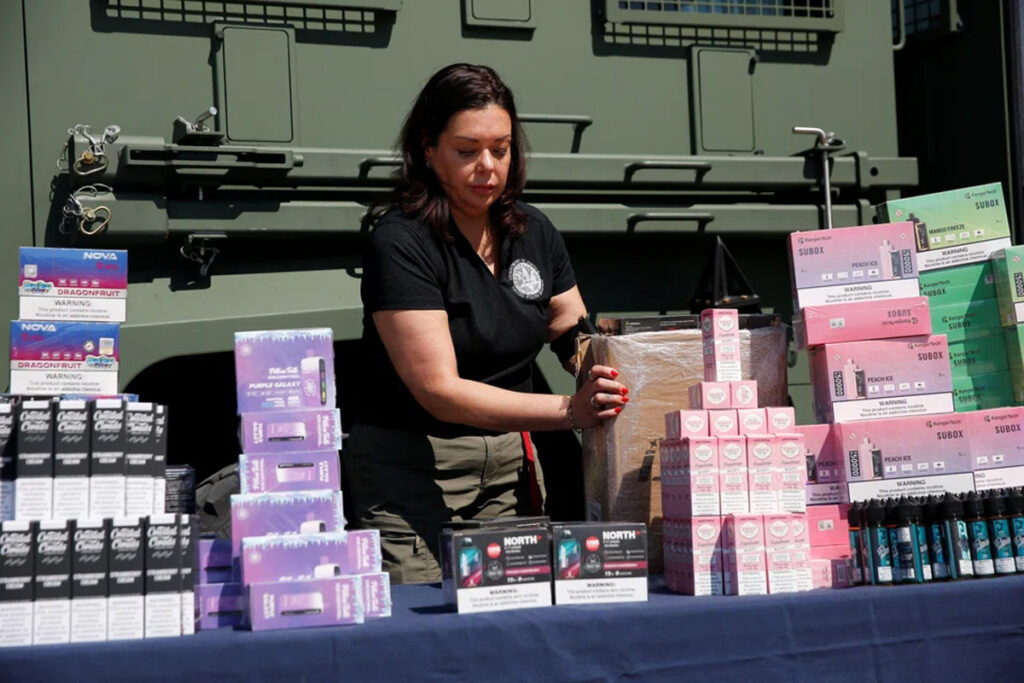
If you buy vape products in the United States, you need to understand the federal government’s seize and destroy authority. The FDA has been cracking down hard on illegal vaping products since 2020, and in 2026 the enforcement pace is faster and broader than ever. Federal agents can confiscate your vape inventory, destroy it, and fine you, all under existing tobacco control law. This guide breaks down exactly what the vape seize and destroy law is, who it targets, what products are at risk, and what rights you actually have.
What Is the Vape Seize and Destroy Law?
The “seize and destroy” authority comes from the Family Smoking Prevention and Tobacco Control Act of 2009, which gave the FDA power to regulate tobacco products, including electronic cigarettes and vaping devices. Under this law, the FDA can seize any tobacco product that enters US commerce without proper authorization. That includes products that lack a PMTA (Premarket Tobacco Product Application) marketing order, products with misleading labeling, and products marketed to minors.
The “destroy” part is exactly what it sounds like. Once a product is seized and the legal process concludes, the government destroys it. There is no return. There is no “pay a fine and get your inventory back.” Confiscated vape products end up in an incinerator or a landfill.
This is not a new law. What changed in 2026 is the scale and speed of enforcement. The FDA’s Center for Tobacco Products (CTP) has ramped up import alerts, issued more warning letters, and coordinated with Customs and Border Protection (CBP) to intercept illegal vape shipments at ports of entry.
The Legal Foundation: Three Key Statutes
1. The Tobacco Control Act (2009)
This is the backbone. Section 904 gives the FDA authority to require product listings, ingredient reporting, and health document submissions from all tobacco product manufacturers. Failure to comply makes a product “adulterated” or “misbranded” under the Federal Food, Drug, and Cosmetic Act, which triggers seizure authority under Section 304.
2. The Deeming Rule (2016)
Before 2016, e-cigarettes were not regulated as tobacco products. The Deeming Rule changed that, bringing all Electronic Nicotine Delivery Systems (ENDS) under FDA jurisdiction. Overnight, every vape product on the market became subject to PMTA requirements, ingredient disclosure, and manufacturing standards. The compliance deadline was originally September 9, 2020. Products that did not submit a PMTA by that date became illegal to sell.
3. The Consolidated Appropriations Act (2022)
This law changed the PMTA process for synthetic nicotine products. Before this act, many manufacturers switched to synthetic nicotine to avoid the “tobacco product” definition. Congress closed that loophole. Since July 13, 2022, synthetic nicotine products also require PMTA authorization. Any synthetic nicotine vape without a marketing order is subject to seizure.
| Law | Year | What It Did |
|---|---|---|
| Tobacco Control Act | 2009 | Gave FDA authority over tobacco products; seizure power under FD&C Act |
| Deeming Rule | 2016 | Extended FDA regulation to e-cigarettes and ENDS products |
| Consolidated Appropriations Act | 2022 | Closed synthetic nicotine loophole; PMTA required for all nicotine vapes |
What Products Are Being Seized in 2026?
The FDA’s enforcement priority in 2026 focuses on three categories:
Flavored Disposable Vapes
This is target number one. The FDA has issued marketing denial orders (MDOs) to most flavored disposable vape manufacturers. Brands like Elf Bar, Esco Bars, and several Chinese-manufactured disposables have been subject to import alerts. If a flavored disposable vape does not have an active PMTA marketing order, it is illegal to import, distribute, or sell in the US. CBP seizes these at ports. State attorneys general also pursue retailers selling them.
If you want to understand which disposable vapes are legally available, check our regularly updated guide that only lists PMTA-authorized products.
Products Targeting Minors
Any vape product with packaging that features cartoon characters, fruit imagery that appeals to children, or branding clearly designed for underage consumers is a priority target. The FDA considers these “misbranded” products. Enforcement actions against manufacturers of these products have increased under congressional pressure.
Unregistered Manufacturing Facilities
Since 2022, all tobacco product manufacturers must register their facilities with the FDA and submit product listings. Manufacturers operating outside this framework, which includes many overseas factories shipping directly to US distributors, produce products that are automatically adulterated and subject to seizure.
How the Seizure Process Works
The seizure process follows a specific legal path. It is not random. Here is what happens step by step:
- Identification: FDA inspectors, CBP officers, or state regulators identify a product they believe is illegal (no PMTA, misbranded, or adulterated).
- Detention: The product is detained at a port of entry or at a retail/warehouse location. A FDA Form FDA 484 (Receipt for Samples) or a CBP hold notice is issued.
- Notice of Seizure: If the agency determines the product violates the law, a formal Notice of Seizure is filed in federal court. This is a civil judicial action.
- Opportunity to Respond: The owner or importer has a limited window (usually 30 days) to file a claim and contest the seizure. You can argue the product is legal, or you can negotiate a consent decree.
- Default Judgment: If no one contests the seizure, the court issues a default judgment of condemnation. The product becomes government property.
- Destruction: The product is destroyed under government supervision. The owner bears no recovery cost because there is nothing to recover.
For imports, the process is faster. CBP can refuse entry to any shipment flagged under an FDA Import Alert without going through the full court process. The product is either re-exported or destroyed at the importer’s expense.
Import Alerts: The Front Line of Enforcement
The FDA uses Import Alerts to flag specific products, manufacturers, or brands for automatic detention at US ports. Once a product is listed on an Import Alert, every shipment is held until the importer proves the product is compliant. In practice, this means the product never reaches the market.
As of early 2026, the FDA has issued Import Alerts targeting hundreds of vaping product manufacturers. Some of the most notable actions include:
- Import Alert 98-06: Detention without physical examination of tobacco products from firms that have not submitted required PMTA reports. This is the catch-all alert that covers most unauthorized vapes.
- Import Alert 89-08: Detention of products from firms not registered with the FDA. Any manufacturer not on the FDA’s facility registration list is subject to automatic detention.
These import alerts are publicly available on the FDA website. If you are a retailer or distributor, checking whether your suppliers’ products are on an Import Alert is basic due diligence.
2026 Enforcement Numbers
| Enforcement Action | 2023 | 2024 | 2025 | 2026 (Projected) |
|---|---|---|---|---|
| Warning Letters to Vape Companies | ~100 | ~250 | ~400 | 500+ |
| Import Refusals (vape products) | ~1,200 | ~2,500 | ~4,000 | 5,000+ |
| Civil Money Penalties | ~30 | ~80 | ~150 | 200+ |
| Products Seized/Destroyed (units) | ~1.5M | ~4M | ~7M | 10M+ |
Note: 2026 figures are projected based on enforcement trends through Q1 and increased congressional appropriations for CTP enforcement.
Who Gets Targeted?
Manufacturers and Importers (Primary Target)
The FDA’s primary enforcement focus is on the supply chain. Manufacturers who produce unauthorized products and the importers who bring them into the US face the most severe consequences: seizure, civil money penalties up to $20,000 per violation, and potential criminal prosecution for repeat offenders.
Retailers (Growing Risk)
Retailers are increasingly in the crosshairs. The FDA has issued warning letters to convenience stores, vape shops, and online retailers selling unauthorized products. State attorneys general in California, New York, and Minnesota have brought enforcement actions against retailers. In some states, selling an unauthorized vape product carries criminal misdemeanor charges.
The legal defense “I didn’t know it was unauthorized” does not hold up well in court. The FDA maintains a publicly searchable database of products with PMTA marketing orders. If a product is not on that list, selling it is a violation.
Consumers (Low Risk, But Not Zero)
Individual consumers are not the primary target of federal seizure actions. However, some states have passed laws making possession of certain vape products a civil or criminal offense. The federal government generally does not seize personal-use quantities at border crossings, but CBP officers have discretion to confiscate products they believe violate import rules.
State-Level Enforcement: A Patchwork of Rules
Federal law sets the floor, but states can go further. Many have. The global regulatory landscape is complex, and even within the US, you can face very different rules depending on where you live or operate.
| State | Key Enforcement Action | Products Affected |
|---|---|---|
| California | AG lawsuits against multiple disposable vape brands; statewide flavor ban enforcement | All flavored disposables |
| New York | Flavor ban with active retailer enforcement; seizure of non-compliant inventory | Flavored vapes (except menthol) |
| Texas | THC vape ban; increased penalties for synthetic cannabinoid products | THC and synthetic cannabinoid vapes |
| Massachusetts | Statewide flavor ban; retail licensing requirements | All flavored tobacco products |
| Minnesota | Criminal penalties for selling unauthorized products; active enforcement task force | All non-PMTA products |
The PMTA Process: Why Most Vapes Are Technically Illegal
Here is the uncomfortable reality: the vast majority of vape products sold in the US in 2026 do not have an active PMTA marketing order. The PMTA process is expensive, time-consuming, and has a low approval rate. As of early 2026, the FDA has issued marketing orders to fewer than 30 ENDS products out of millions submitted. The odds of any given product receiving authorization are extremely low.
This creates a strange market dynamic. Thousands of vape products are available for sale, but most exist in a legal gray zone. They were on the market before the PMTA deadline, submitted applications (which gave them a temporary grace period while the FDA reviewed them), and then received Marketing Denial Orders (MDOs). After an MDO, the product must be removed from the market. If it stays, it becomes subject to seizure.
Some manufacturers have challenged their MDOs in court and received stays, allowing them to continue selling while the case is pending. Others simply ignore the MDO and keep selling until enforcement catches up. The FDA cannot seize every unauthorized product simultaneously, so it prioritizes based on public health risk, youth appeal, and market penetration.
What the Tariff War Means for Vape Enforcement
The vape news cycle in 2026 has been dominated by tariff increases on Chinese imports, and this directly affects seizure enforcement. Tariffs on Chinese-manufactured vape products have increased dramatically, some exceeding 145% for certain product categories.
Higher tariffs create two enforcement problems:
- Increased smuggling: When the legal cost of importing rises, the incentive to smuggle products without declaring them grows. CBP has reported a significant increase in undeclared vape shipments.
- Misclassification: Importers may try to classify vape products under different tariff codes to avoid the higher rates. This is customs fraud, and it triggers seizure authority independent of the FDA’s tobacco regulations.
The combination of FDA import alerts and tariff enforcement means that unauthorized vape products face a double barrier at the border. A single shipment can be flagged by both CBP (for tariff violations) and FDA (for PMTA violations).
Your Rights If Your Products Are Seized
If you are a business owner whose products have been seized, you have legal options, but they are limited:
- File a claim: Within 30 days of the notice of seizure, you can file a claim in federal court contesting the seizure. You will need to prove the product is legally marketed (has a PMTA marketing order or a valid court stay).
- Request a compromise: The government may negotiate a settlement where some portion of the seized goods is released under specific conditions.
- File a petition for remission: If you can show the product was seized due to circumstances beyond your control (for example, a supplier misrepresented the product’s regulatory status), you may petition for the return of the goods.
In practice, most seized vape products are destroyed. The cost of litigating a seizure case in federal court is often higher than the value of the confiscated inventory.
How to Protect Your Business
- Only sell PMTA-authorized products: Check the FDA’s publicly available list of products with marketing orders. If a product is not on the list, do not stock it.
- Verify supplier compliance: Ask your suppliers for proof of PMTA submission or marketing order. Keep documentation on file.
- Monitor Import Alerts: If your supplier appears on an FDA Import Alert, their products will be detained at the border. Find an alternative source.
- Stay current on state laws: Federal compliance is not enough. You also need to comply with state-specific flavor bans, licensing requirements, and retail restrictions.
- Consult a tobacco law attorney: If you operate in this space, having legal counsel who understands the FD&C Act, PMTA process, and state regulations is not optional. It is a cost of doing business.
The Path Forward
The enforcement trajectory is clear: more seizures, more warning letters, more civil money penalties, and more criminal referrals. Congress has increased the FDA CTP’s enforcement budget every year since 2020. The CDC continues to publish data on youth vaping rates, which drives public and political pressure for stricter enforcement.
For the industry, the writing is on the wall. Products without regulatory authorization will continue to be seized and destroyed. The businesses that survive will be those that invest in compliance, not those that bet on enforcement gaps.
FAQ: Vape Seize and Destroy Law
Can the government seize my personal vape?
At the federal level, seizure actions primarily target commercial quantities at import and distribution levels. CBP officers can confiscate vape products at border crossings if they believe the products violate import regulations, but personal-use quantities are rarely targeted. Some states have laws that could theoretically allow seizure of personal vape products, but this is uncommon in practice.
What happens to seized vape products?
They are destroyed. After a court issues a condemnation order, the products are incinerated or otherwise disposed of under government supervision. The owner receives no compensation.
How do I know if a vape product is legally authorized?
The FDA maintains a searchable database of tobacco products with marketing orders. You can also check if a product’s manufacturer has received a warning letter or if the product is listed under an FDA Import Alert. Both are publicly available on the FDA website.
Can I fight a seizure in court?
Yes. You have the right to file a claim in federal court within 30 days of receiving a notice of seizure. You will need to demonstrate that the product is legally marketed. The cost of litigation is often prohibitive for small businesses.
Are flavored disposable vapes illegal everywhere in the US?
Most flavored disposable vapes lack PMTA authorization at the federal level, making them illegal to sell nationwide regardless of state law. Some states have additional flavor bans that go further than federal requirements. A product can be legal under state law but still violate federal law.
What penalties do retailers face for selling unauthorized vapes?
Federal civil money penalties can reach $20,000 per violation. State penalties vary widely, from fines to criminal misdemeanor charges. Multiple violations can result in escalating penalties and potential loss of business licenses.
Does the seize and destroy law apply to CBD or THC vapes?
CBD vapes are regulated differently depending on whether the CBD is derived from hemp (legal under the 2018 Farm Bill, subject to state laws) or marijuana (regulated under state cannabis laws). THC vapes from licensed dispensaries operate under state cannabis frameworks and are not subject to FDA tobacco product regulations. However, unlicensed THC vapes sold outside dispensary channels face separate criminal enforcement.
How are tariffs affecting vape seizures in 2026?
Tariffs on Chinese vape imports have increased sharply, some exceeding 145%. This creates additional seizure risk because importers may attempt to avoid tariffs through misclassification or smuggling. CBP enforces tariff compliance independently of FDA tobacco regulations, so a shipment can be seized for tariff violations even if the vape product itself has PMTA authorization.


Build your vape knowledge
Read more guides
Find explainers, how-to articles and reference material.
Open guide library →Compare vape products
Check specifications across the product database.
Open product data →Read hands-on reviews
See tested devices and documented trade-offs.
Read review coverage →