

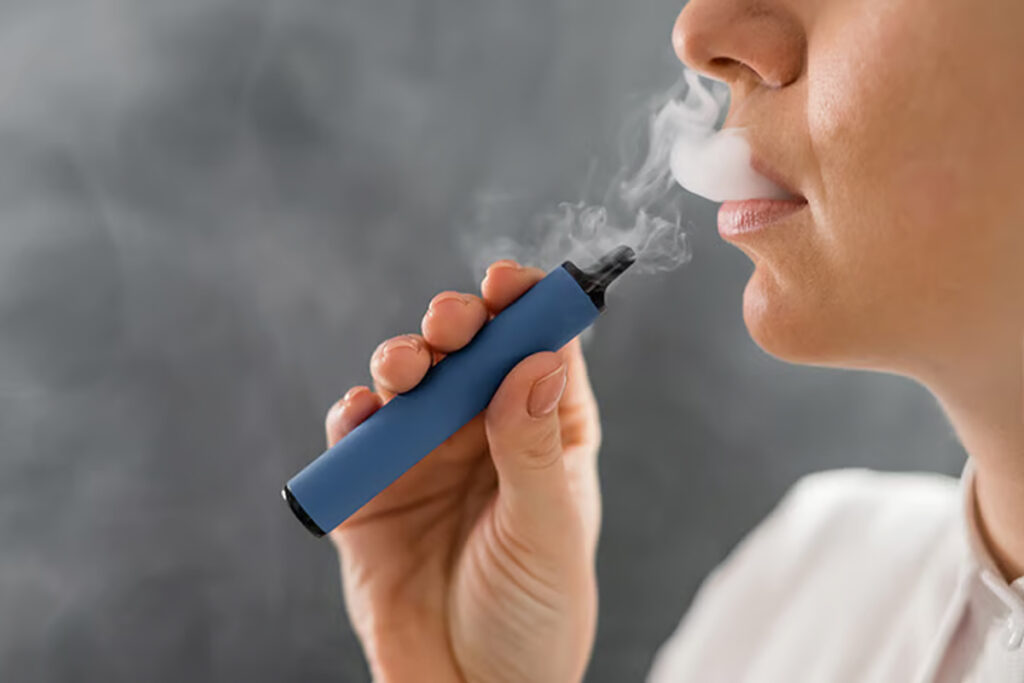
On May 5, 2026, the FDA did something it had never done before: it authorized the sale of fruit-flavored e-cigarettes in the United States. Los Angeles-based Glas Inc. received marketing orders for four pod flavors — Gold (mango), Sapphire (blueberry), Classic Menthol, and Fresh Menthol — making them the first non-tobacco-flavored vaping products to get the green light from federal regulators.
If that feels like a sharp reversal, it is. Under the Biden administration, the FDA denied more than one million marketing applications for fruit- and candy-flavored e-cigarettes. So what changed?
The Bluetooth Age Gate
The key difference is technology. Glas devices require Bluetooth age verification before they can be used. Here’s how it works:
- Users must download a mobile app and upload a government-issued ID to verify they are 21 or older
- The e-cigarette only activates when connected via Bluetooth to the verified user’s phone
- If the phone moves out of range, the device stops producing vapor
The FDA concluded that this access-restriction technology, combined with required marketing restrictions, “is expected to effectively mitigate the ability of youth to use the product.” It’s the first time the agency has accepted a software-based age gate as sufficient protection against underage use.
Whether that holds up in practice is another question. The Truth Initiative, an anti-tobacco nonprofit, called the authorization “a key test case” and urged close monitoring of whether the age restrictions actually work.
The Political Backstory
The authorization did not happen in a vacuum. According to the Wall Street Journal, President Trump rebuked FDA Commissioner Marty Makary over the weekend of May 3-4 for not moving quickly enough on flavored vape approvals.
As a presidential candidate, Trump vowed to “save” vaping and won support from e-cigarette companies, shop owners, and enthusiasts. During his first term, he had raised the purchasing age for all tobacco products from 18 to 21, but his current posture represents a significant shift toward opening the market.
The Campaign for Tobacco-Free Kids criticized the decision, arguing it could undermine years of progress in reducing youth vaping. The Biden-era crackdown is widely credited with helping drive teen vaping rates to a 10-year low.
What the Data Shows
| Metric | Figure |
|---|---|
| FDA-authorized e-cigarette products (total) | 45 |
| Marketing applications denied under Biden (fruit/candy flavors) | Over 1,000,000 |
| U.S. adult smoking-related deaths per year | ~480,000 |
| Teen vaping rate | 10-year low |
| Glas Inc. flavors authorized | 4 (Gold, Sapphire, Classic Menthol, Fresh Menthol) |
The FDA emphasized that the authorization is not an endorsement. The products are intended only for adults who currently smoke and are looking to quit or reduce their cigarette consumption.
The Unlicensed Market Problem
Here’s the uncomfortable reality: the vast majority of teens who vape are not using FDA-authorized products. They are using cheap, disposable fruit- and candy-flavored devices, typically imported from China, that have never gone through the PMTA process. These products are technically illegal but remain widely available at gas stations, convenience stores, and online.
The FDA’s calculus seems to be that authorizing some flavored products with strict age controls is better than leaving the entire flavored market to unregulated operators. Whether that gamble pays off depends entirely on whether the Bluetooth age gate actually prevents youth access.
What Comes Next
- More authorizations likely — The FDA released guidance in March stating that menthol, coffee, mint, and spice flavors “could have a role in appealing to adult smokers.” Fruit and candy flavors remain higher-scrutiny, but the Glas decision sets a precedent.
- Monitoring phase — The Truth Initiative and other groups will be watching youth uptake closely. If teen vaping rises, expect political pressure to reverse course.
- Industry impact — Small manufacturers with age-gate technology now have a viable path to market. Large tobacco companies like Altria and Juul, which have focused on tobacco and menthol flavors, may face new competition.
- Enforcement gap — The FDA still needs to crack down on the millions of unauthorized flavored disposables flooding the market. Authorization without enforcement just creates a two-tier system.
Frequently Asked Questions
Can I buy these products now?
Not yet. Glas Inc. needs to set up distribution and retail partnerships. Expect availability in the coming months, likely through online channels first where age verification is easier to enforce.
Are fruit-flavored vapes safer than tobacco-flavored ones?
The flavor itself does not change the health profile. The FDA’s review focused on whether the products are “appropriate for the protection of public health,” meaning their benefit to adult smokers outweighs the risk of youth uptake.
What about other fruit flavors like strawberry or watermelon?
The FDA has not authorized those. The Glas authorization covers only mango, blueberry, and two menthol varieties. Sweeter flavors that appeal to children remain under higher scrutiny.
Does this mean all flavored vapes are now legal?
No. Only the four specific Glas products have been authorized. All other fruit- and candy-flavored vapes on the market without FDA authorization remain illegal.
Sources: Reuters, CNBC, Fox Business, NBC News, Politico



Follow the wider vape market
Read the latest vape news
Track regulation, launches and industry updates.
Open vape news →Browse product data
Move from market news to device specifications.
Open product data →Check product reviews
Read independent testing and comparison reports.
Read review coverage →