


Imagine picking up a vape and it just… won’t turn on. No light, no draw, nothing. That’s not a dead battery. That’s age-gating technology at work. Also called Device Access Restriction (DAR), this is a new wave of hardware-and-software systems that build identity verification straight into vape devices. For a broader overview of connected vape technology, see our Smart Vapes guide. Only verified adults can activate and use them. In May 2026, the FDA authorized the first-ever fruit-flavored e-cigarettes from Glas Inc., specifically citing the company’s built-in age-gating system as a key factor in its decision. This article breaks down how the technology works, who’s building it, what regulators think, and why it matters for the future of vaping.
Key Takeaways
- Age-gating technology embeds identity and age verification directly into vape devices, shifting enforcement from retail checkout to the device itself
- The Glas G2 became the first FDA-authorized vape with DAR on March 12, 2026; on May 5, 2026, the FDA authorized its Gold (mango) and Sapphire (blueberry) flavored pods , the first non-tobacco, non-menthol flavors ever approved
- IKE Tech (a joint venture of Ispire Technology, Berify, and Chemular) achieved 100% underage blocking and 100% adult verification success in a multi-center Human Factors Validation Study (n=101)
- Charlie’s Holdings plans to test-market age-gated SBX disposable vapes in Q3 2026 using IKE Tech’s system
- FDA’s March 2026 draft guidance formally recognizes DAR as a factor in PMTA review, but DAR alone is not sufficient for high-risk flavors like candy and dessert
- Public health groups oppose the technology, citing lack of real-world evidence that DAR prevents youth use at scale
What Is Age-Gating Technology in Vaping?
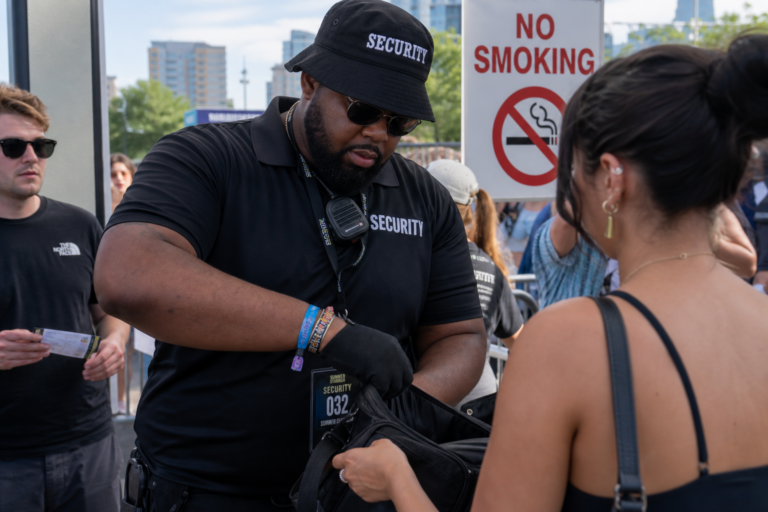
Age-gating technology (also called Device Access Restriction, or DAR) is exactly what it sounds like: a gate, built into the vape itself, that only opens for verified adults. Traditional retail age checks verify your identity once at the register. DAR doesn’t stop there. It enforces age restrictions continuously, at the point of use. Every single time the device is used.
In bureaucratese, the FDA defines DAR as “systems including software or technology that are part of the use of the ENDS device and provide sustained prevention of underage use of a tobacco product by requiring user age verification and identification to unlock and/or use the product” (FDA Draft Guidance, March 2026). Translation: the vape checks your age before it lets you vape.
That’s a big shift. A teenager who buys a vape online, steals one from a parent, or gets one from a friend? Still can’t use it. The device itself stays locked until a verified adult unlocks it.
How Age-Gating Technology Works: Step by Step
While implementations vary between companies, the core workflow follows a similar pattern:
Step 1: Identity Verification via Mobile App
The user downloads a companion app and submits:
- A photo of a government-issued ID (driver’s license, passport)
- A selfie or live video for biometric matching
An identity verification service (such as ID.me or CLEAR) processes the data. In IKE Tech’s system, personal information is converted into anonymized blockchain-secured tokens , and the company says no raw personal data is stored on the device or shared with the vape manufacturer.
Time: IKE Tech reports initial onboarding takes approximately 90 seconds; re-verification takes 6 seconds or less.
Step 2: Device Pairing via Bluetooth
Once identity and age are verified, the vape device pairs with the user’s smartphone using Bluetooth Low Energy (BLE). A chip inside the device . IKE Tech uses a BLE System-on-a-Chip inside the device, which enables the connection.
The device unlocks only after successful pairing with the verified user’s phone. If the Bluetooth connection is lost, or the phone moves out of range, the device automatically deactivates.
Step 3: Continuous Monitoring and Biometric Check-Ins
Advanced systems don’t just verify once. The Glas G2 app conducts random biometric check-ins, which are periodic prompts requiring the registered user to confirm their identity via fingerprint, face scan, or other biometric method. That stops an adult from unlocking a device and handing it to a minor.
IKE Tech’s system also includes:
- Automatic device deactivation when the Bluetooth signal is lost or the device is inactive
- Blockchain-based product authentication to detect counterfeit cartridges
- AI-powered governance backend for compliance monitoring
The Two Leading Age-Gating Systems
Glas G2: First to Receive FDA Authorization
| Feature | Details |
|---|---|
| Company | Glas Inc. (Los Angeles, CA) |
| Device | Glas G2 pod system |
| PMTA submitted | July 21, 2021 |
| First authorization | March 12, 2026 (G2 device + Blonde Tobacco pod) |
| Flavor authorization | May 5, 2026 (Gold/mango, Sapphire/blueberry, Classic Menthol, Fresh Menthol) |
| Pod capacity | 1.3 mL, 50 mg/mL (5%) tobacco-derived nicotine |
| Battery | 350 mAh, charges in ~20 minutes |
| Age-gating method | Government ID upload + Bluetooth pairing + random biometric check-ins |
| Anti-counterfeit | Embedded read-only memory with unique ID per pod |
Glas CEO Sean Greenbaum described the system’s user flow: users must pair the device with a Bluetooth-enabled smartphone, download the Glas app, upload a selfie and images of their driver’s license, and then the device only operates while in proximity to the verified phone.
The G2 also includes counterfeit-detection technology. Each pod contains a read-only memory chip with a unique identifier, preventing unauthorized or refilled cartridges from working with the device. Glas COO Kevin Higgins confirmed the device “does incorporate advanced, proven age-gating and counterfeit-detection technology” (2Firsts, March 2026).
IKE Tech: The Blockchain-Based Challenger
| Feature | Details |
|---|---|
| Company | IKE Tech LLC (Joint venture: Ispire Technology + Berify + Chemular) |
| Hardware | BLE System-on-a-Chip embedded in vape device |
| Identity method | Blockchain-secured tokenized identity + biometric verification |
| Identity partner | ID.me / CLEAR |
| First commercial partner | Charlie’s Holdings (SBX + PACHA product lines) |
| PMTA status | First-ever component PMTA for standalone age-verification technology (filed 2025) |
| Exclusivity | 3-year exclusive with Charlie’s for nicotine analogue products |
IKE Tech’s approach differs from Glas in a key way: it’s designed as an interoperable platform that any manufacturer can integrate into their devices, rather than a proprietary system locked to one brand. The component PMTA filing is the clever part. If the FDA authorizes IKE’s technology, other vape makers could adopt it without filing separate age-gating validations from scratch. One approval, many devices.
Human Factors Validation Study Results (IKE Tech, published April 2025):
| Metric | Result |
|---|---|
| Adult verification success rate | 100% (n=101) |
| Underage activation rate | 0% |
| Device deactivation on disconnect | 100% |
| App usability rating (“Extremely Easy” or “Very Easy”) | 91% |
| Error rate | 1% of task attempts |
| Onboarding time | ~90 seconds |
| Re-verification time | 6 seconds or less |
The study included 101 participants (51% male, 49% female) aged 18–67 across race and ethnicity demographics.
The FDA’s Regulatory Framework for Age-Gating
March 2026 Draft Guidance: A Three-Tier Flavor System
On March 9, 2026, the FDA released draft guidance titled “Flavored Electronic Nicotine Delivery Systems (ENDS) Premarket Applications — Considerations Related to Youth Risk.” This document established the first formal regulatory framework for evaluating how DAR factors into PMTA decisions.
The guidance sorts flavors into three risk tiers:
| Tier | Flavors | DAR Impact |
|---|---|---|
| Lower concern | Tobacco, menthol, mint, coffee, spice | DAR not required; standard APPH analysis |
| Moderate concern | Fruit flavors (e.g., mango, berry) | DAR can be a key factor in demonstrating APPH, but not sufficient alone |
| Higher concern | Candy, dessert, sweet flavors | DAR alone is “insufficient to overcome the heightened concerns”; applicants face “an especially high burden” |
This three-tier system explains why Glas received authorization for mango and blueberry flavors (moderate tier) but not for any candy or dessert options. The FDA explicitly stated that “an applicant whose high youth appealing flavored ENDS purports to rely solely on DAR technology to address risk to youth carries an especially high burden.”
May 2026: The Glas Fruit-Flavor Authorization
On May 5, 2026, the FDA issued Marketing Granted Orders (MGOs) for four Glas products: Classic Menthol, Fresh Menthol, Gold (mango), and Sapphire (blueberry). This was the first time the agency authorized non-tobacco, non-menthol ENDS flavors through the PMTA process.
FDA acting CTP director Bret Koplow called DAR “a potential game changer,” stating: “This technology is also an indication of the role innovation may serve in the effort to protect young people from threats posed by nicotine use and addiction while helping to enable availability of an expanded array of flavored options for adults who smoke.”
However, the authorization came with real post-market requirements. Glas must:
- Track and measure the effectiveness of its youth prevention measures
- Report to FDA on the demographics of audiences reached by its advertising and marketing
- Submit ongoing compliance data
The authorization also followed reports that President Trump had pressured FDA Commissioner Marty Makary to approve flavored vapes more quickly (Wall Street Journal, May 2026).
Age-Gating vs. Traditional Age Verification
| Factor | Retail Age Verification | Online Age Verification | Device Age-Gating (DAR) |
|---|---|---|---|
| When verified | At point of sale | At point of sale | At point of use (every session) |
| Prevents sharing | No | No | Yes (Bluetooth tethering + biometrics) |
| Prevents secondary sales | Limited | Limited | Yes (device locked to verified user) |
| Works if stolen/found | N/A | N/A | No (can’t activate without verified app) |
| Bypass difficulty | Low (fake ID, social sourcing) | Medium (parent’s ID, reshipping) | High (requires biometric match + proximity) |
| Privacy concerns | Low | Medium | Higher (biometric data, location tracking) |
| Consumer friction | Low | Low | Higher (app download, ID upload, pairing) |
IKE Tech’s survey of 5,000 respondents in the U.S. and UK (including 500 American teens aged 15–17) found that 73% of respondents believe underage users purchase vapes online, while 67% say they buy them in stores with little or no age verification. This data supports the argument that point-of-sale verification alone is insufficient.
What’s Coming Next: Charlie’s SBX and PACHA
Charlie’s Holdings (OTCQB: CHUC) signed a licensing agreement with IKE Tech in January 2026 and plans to become the first company to commercially deploy IKE’s age-gating system.
The rollout plan:
- Q3 2026: Test-market the IKE age-gating system in a special line of PACHA-branded disposables
- Parallel track: Amend existing PACHA PMTA submissions to incorporate IKE’s technology
- SBX line: The non-nicotine SBX products (using Metatine/6-methylnicotine, which don’t require PMTA) will be the first to ship with age-gating enabled
Charlie’s president Henry Sicignano framed it as both a compliance measure and a competitive advantage: “We believe age-gating is both a responsible business practice as well as a real competitive advantage for Charlie’s.”
The company also has 678 PMTA-submitted products in its portfolio that could potentially be paired with IKE’s technology if the regulatory pathway solidifies.
The Debate: Does Age-Gating Actually Work?
The Case For
- IKE Tech’s study: 100% underage blocking, 100% adult verification success in controlled conditions
- Glas G2’s FDA review: FDA technical reviewers found that “the age-gating technology combined with the marketing restrictions… are expected to sufficiently mitigate the risk to youth” and that “100% of youth and young adults below the minimum age of sale failed age-verification”
- Industry argument: Nearly 70% of the U.S. e-cigarette market consists of illicit, unauthorized products. Age-gated, FDA-authorized products could offer a regulated alternative
- Youth vaping is declining: Combined middle and high school vaping rates fell to 5.2% in 2025 , down sharply from 2019 peaks, which may make regulators more open to technology-based solutions
The Case Against
- No real-world evidence yet: The FDA’s own March 2026 draft guidance cited “the current lack of real world experience regarding use of DAR to prevent or sufficiently mitigate the risk of youth use”
- Circumvention risk: Like any security system, age-gating can potentially be bypassed : borrowed adult credentials, spoofed biometrics, or modified firmware
- Consumer resistance: As Vaping360 noted, “consumers are unlikely to choose a product that requires them to jump through hoops to activate when they can simply choose one of the other authorized tobacco- or menthol-flavored products that works right out of the package”
- Public health opposition: The Campaign for Tobacco-Free Kids called the FDA’s fruit-flavor authorization “a big step backward for preventing youth e-cigarette use,” noting that “nearly 90% of youth who use e-cigarettes report using flavored products” and “fruit is by far the most popular flavor (63%) among youth users”
- Privacy concerns: Blockchain tokenization or not, any system collecting government IDs and biometric data raises questions about data security, surveillance, and user consent
Key insight: The fundamental tension is that age-gating works perfectly in controlled studies but hasn’t been tested at consumer scale. The Glas and Charlie’s rollouts in 2026 will be the first real-world test cases.
U.S. vs. International: How Other Countries Handle Vape Age Verification
| Country | Approach | Device-Level Age-Gating |
|---|---|---|
| United States | FDA PMTA + DAR recognition (2026); federal minimum age 21 | Emerging (Glas G2, IKE Tech) |
| United Kingdom | Generational smoking ban + disposable vape ban (2025); age 18+ | Not required |
| Australia | Prescription-only nicotine vapes; heavy enforcement | Not required |
| European Union | Varies by member state; TPD regulations | Not required |
| China | State-monitored manufacturing; strict export controls | Not required |
No other country has formally incorporated device-level age-gating into its regulatory framework. If the U.S. model proves effective, it could influence regulations globally.
FAQ
What is age-gating technology in vapes?
Age-gating technology (also called Device Access Restriction, or DAR) is a system built into vape devices that requires users to verify their age and identity through a mobile app before the device can be activated. It typically uses government ID verification, Bluetooth pairing with a smartphone, and sometimes biometric check-ins so only adults can use the device.
How does the Glas G2 age-gating system work?
The Glas G2 requires users to download the Glas app, upload a photo of their government-issued ID and a selfie for biometric verification, and pair the device with their phone via Bluetooth. The device only operates when connected to the verified user’s phone, and the app conducts random biometric check-ins to confirm the registered user is still the one using it.
Did the FDA approve fruit-flavored vapes?
On May 5, 2026, the FDA authorized four Glas e-cigarette pods in Classic Menthol, Fresh Menthol, Gold (mango), and Sapphire (blueberry) flavors. The Gold and Sapphire pods are the first non-tobacco, non-menthol flavored e-cigarettes ever authorized by the FDA. The agency cited Glas’s device access restriction technology as a key factor in its decision.
Is age-gating technology effective at preventing youth vaping?
In controlled studies, age-gating technology has shown 100% effectiveness at blocking underage activation. IKE Tech’s Human Factors Validation Study (n=101) reported zero successful underage activations and 100% adult verification success. However, the FDA noted in its March 2026 draft guidance that there is currently “a lack of real world experience” with DAR at consumer scale.
Can age-gating technology be bypassed?
Like any security system, age-gating has potential circumvention vectors: a minor could use a consenting adult’s credentials, and technically sophisticated users might attempt firmware modifications. The random biometric check-ins and Bluetooth tethering are designed to make casual sharing impractical, but no system is foolproof at scale.
Will age-gating become mandatory for all vapes?
As of May 2026, the FDA has not made DAR mandatory. The March 2026 draft guidance recognizes DAR as a factor that can support PMTA approval for flavored ENDS products, especially in the “moderate concern” tier (fruit flavors). However, the FDA states that DAR alone is insufficient for “high-risk” flavors like candy and dessert. Whether DAR becomes a de facto requirement for flavored products depends on how the Glas and Charlie’s rollouts perform.
What This Means for Vapers
If you’re an adult vaper, age-gating technology is likely coming to more products in the near future. Here’s what to expect:
- More app-connected devices: Expect new vape products that require a smartphone app for initial setup and ongoing use
- Slightly more friction at first use: Plan for 1–2 minutes of onboarding (ID upload, selfie, pairing) the first time you use an age-gated device
- Your phone becomes your key: The device won’t work without your phone nearby, which means no vaping if your phone is dead or out of Bluetooth range
- Privacy trade-offs: You’ll be sharing government ID data and biometric information with the app. Check each company’s data handling policies before signing up
- More flavor options: The upside is that effective age-gating could open the door to FDA-authorized fruit and other flavored products that have been blocked for years
The technology is still in its earliest days. The first real-world data on whether age-gating actually prevents youth access at scale will come from the Glas and Charlie’s commercial launches in 2026. Until then, both the promise and the skepticism are well-founded.
Last updated: May 10, 2026


Build your vape knowledge
Read more guides
Find explainers, how-to articles and reference material.
Open guide library →Compare vape products
Check specifications across the product database.
Open product data →Read hands-on reviews
See tested devices and documented trade-offs.
Read review coverage →