

Can You Mail a Vape in the United States?
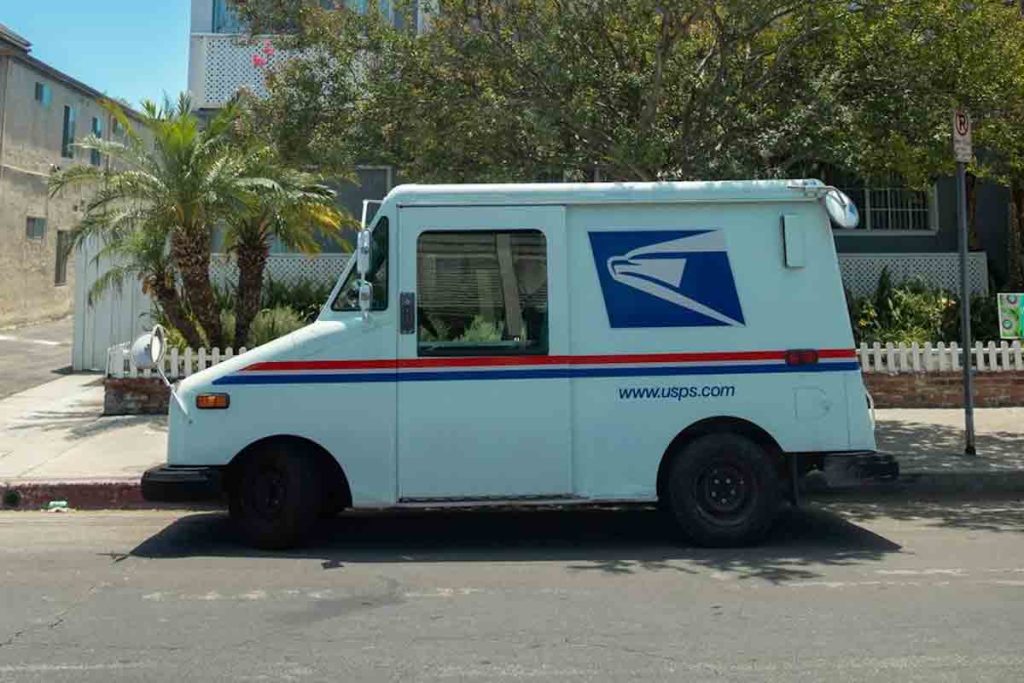
The short answer: for almost everyone, no. Since October 2021, the United States Postal Service has banned the mailing of electronic nicotine delivery systems (ENDS), which includes vape devices, vape juice, pods, and related accessories. Every major private carrier, UPS, FedEx, and DHL, has followed suit with their own voluntary bans.
If you are an individual trying to ship a vape to a friend or to yourself at a different address, there is no legal way to do it through any mainstream carrier. If you are a licensed business, narrow exceptions exist, but the compliance burden is heavy.
Here is how it actually works in 2026.
The Law: PACT Act and the USPS Rule
The Prevent All Cigarette Trafficking (PACT) Act was originally passed in 2009 to crack down on untaxed cigarette sales. In December 2020, Congress amended the PACT Act to include electronic nicotine delivery systems. The ATF enforces these rules in coordination with the USPS and the FDA.
The amendment went into effect in March 2021. Six months later, in October 2021, the USPS published its final rule classifying ENDS products as nonmailable matter. The rule covers:
- Vape pens, mods, and pod systems
- E-liquids and vape juice, regardless of whether they contain nicotine
- Disposable vapes
- Components and parts intended for use with ENDS devices
- Devices that deliver substances other than nicotine via aerosol (including CBD and hemp-derived vapes)
That last point catches a lot of people off guard. Even zero-nicotine e-liquid and CBD vape products fall under the ban. The statute defines ENDS by function (heating a substance to produce an aerosol for inhalation), not by nicotine content.
USPS Exceptions
The USPS rule includes a small number of narrow exceptions. These are not loopholes for consumers. They are specific, documented pathways for regulated businesses:
- Business-to-business (B2B) shipments between licensed tobacco retailers, manufacturers, or distributors registered with the ATF and the USPS. Both the sender and the recipient must be verified.
- Shipments to or from federal agencies for testing or regulatory purposes.
- Shipments within Alaska or Hawaii under specific conditions for consumers who lack reasonable access to retail outlets.
- Consumer testing shipments sent to verified adult smokers or vapers in limited quantities for product research, under strict protocols.
Each of these exceptions requires registration with the USPS, ATF compliance documentation, and age verification at delivery. The paperwork is substantial. If you are a small online vape shop, it is rarely practical to qualify.
Private Carrier Policies
The three largest private carriers in the United States have all enacted their own bans on vape shipments. These are voluntary carrier policies, not legal requirements, but they are enforced as strictly as any law.
UPS
UPS prohibits the shipment of all vaping products throughout its entire U.S. domestic network, including imports and exports. This applies regardless of nicotine content and regardless of the destination state. The ban has been in effect since 2021 and shows no sign of changing.
FedEx
FedEx does not accept electronic cigarettes, vaping devices, or e-liquids for shipment. Their prohibited items list explicitly includes ENDS products. Like UPS, the ban covers both consumer and business shipments.
DHL
DHL classifies e-cigarettes and vaping products as hazardous or prohibited items. Their eCommerce division lists them as unacceptable shipments. International shipments face the same restriction.
How Vape Products Actually Get Shipped
If USPS, UPS, FedEx, and DHL all refuse to carry vape products, how do online vape stores deliver orders? The answer is specialized carriers.
Common carriers with adult signature confirmation
The PACT Act allows shipment of tobacco products (including ENDS) via “common carriers”, a legal category that includes any carrier offering service to the general public, provided the shipment meets specific requirements:
- Adult signature confirmation at delivery. The carrier must verify that the recipient is 21 or older with a valid government-issued photo ID.
- PACT Act registration. The seller must be registered with the ATF and the tobacco tax administrator in every state where the buyer resides.
- Tax compliance. The seller must collect and remit applicable state and local excise taxes on the sale.
- Shipping manifest and reporting. Sellers must file reports with the ATF and state tax authorities detailing every shipment, including the recipient’s name, address, and products received.
A handful of regional and specialized carriers have stepped into this space. They handle the compliance requirements and adult signature confirmation. These carriers are not household names. They are logistics companies that have built their business model around regulated product delivery.
What this means for consumers
If you order from a licensed online vape retailer, the package arrives via one of these specialized carriers, not USPS or FedEx. You will need to sign for it in person and show ID. If you are not home, the carrier will not leave the package at the door. This is the law, not the seller being difficult.
Can You Ship a Vape to Yourself?
No. The USPS ban applies to all consumer shipments, including shipments to yourself at a different address. There is no personal-use exception. Private individuals cannot legally mail vape products through any major carrier.
If you are traveling and need your vape at your destination, carry it with you. TSA allows vape devices in carry-on luggage (never in checked bags due to lithium battery rules). For details, see our guide to flying with a vape.
State-Level Restrictions
Federal law sets the floor, but states can impose additional restrictions. Several states have gone further than the PACT Act:
- Flavor bans. California, Massachusetts, New Jersey, New York, Rhode Island, and Utah ban flavored e-cigarette sales statewide. If the product is illegal to sell in a state, it is also illegal to ship it there. For a full breakdown, see our list of states restricting flavored disposables.
- Online sales bans. Some states prohibit or severely restrict online sales of vaping products altogether, regardless of carrier.
- State PACT Act registration. Even if a seller is registered at the federal level, many states require separate registration and tax filing before vape products can be shipped into the state.
- Directory states. States like Wisconsin, North Carolina, and Florida maintain product directories. Vape products not listed in the state’s approved directory are illegal to sell or ship there.
If you are a business, you must verify compliance with every state you ship into. The ATF provides enforcement coordination, but state-level compliance is the seller’s responsibility.
Packaging Requirements for Legal Vape Shipments
If you are a licensed business shipping through an approved common carrier, the packaging must meet specific standards:
- Lithium battery labeling. Vape devices contain lithium-ion batteries. Packages must carry the UN3481 lithium battery mark and appropriate hazard labels. The battery must be installed in the device or packed in compliance with DOT hazmat regulations.
- No generic descriptions. The shipping label and documentation must accurately describe the contents. Writing “electronics” or “accessories” instead of “vape device” or “e-liquid” is a violation.
- Leak-proof containment. E-liquid bottles must be sealed in leak-proof bags within the outer packaging. Vape devices should be secured to prevent activation during transit.
- Adult signature required. The carrier must obtain a verified adult (21+) signature at delivery. Packages cannot be left unattended.
Penalties for Violating Vape Shipping Laws
The consequences for illegally shipping vape products are serious:
- ATF enforcement. The ATF can impose civil penalties of up to $10,000 per violation for PACT Act violations.
- Criminal penalties. Knowing violations can result in felony charges, with fines and imprisonment up to 3 years for repeat offenders.
- Carrier penalties. Shipping vape products through a carrier that prohibits them can result in the package being confiscated, the sender’s account being permanently closed, and the incident being reported to law enforcement.
- State penalties. Individual states may impose their own fines and sanctions for illegal shipments into their jurisdiction.
Quick Reference: Carrier Policies at a Glance
| Carrier | Consumer Shipments | B2B Shipments | Notes |
|---|---|---|---|
| USPS | ❌ Banned | ⚠️ Narrow exceptions only | PACT Act rule, Oct 2021 |
| UPS | ❌ Banned | ❌ Banned | Voluntary carrier ban |
| FedEx | ❌ Banned | ❌ Banned | Voluntary carrier ban |
| DHL | ❌ Banned | ❌ Banned | Classified as hazardous |
| Specialized carriers | ✅ With adult sig. | ✅ With compliance | PACT Act registered only |
Frequently Asked Questions
Can I mail a vape through USPS?
No. Since October 2021, USPS classifies all ENDS products as nonmailable. There are no consumer exceptions.
Can I ship a zero-nicotine vape?
No. The PACT Act defines ENDS by function (heating a substance to produce an aerosol for inhalation), not by nicotine content. Zero-nicotine e-liquid and CBD vapes are covered by the same ban.
Can I bring a vape on an airplane?
Yes, in your carry-on bag. TSA requires vape devices to be in carry-on luggage only, never in checked bags. For full details, see our guide to flying with vapes.
How do online vape stores ship orders?
Through specialized common carriers that are registered under the PACT Act and provide adult signature confirmation at delivery. These are not USPS, UPS, FedEx, or DHL.
What happens if I try to ship a vape illegally?
The package may be confiscated. You may face civil penalties up to $10,000 per violation, criminal charges for repeat offenses, and permanent bans from the carrier. State-level penalties may also apply.
Related Guides
- What Happens If You Put a Vape in Carry-On?, TSA rules for flying with vape devices.
- States Restricting Flavored Disposable Vapes, which states ban flavored e-cigarettes.
- How to Recycle Used Vapes, safe disposal of vape devices and batteries.
- What Is a Disposable Vape?, device types and the 2026 market overview.



Not only have they banned vapes from being shipped via USPS, but now I have to pay a signature fee to buy vapes from an online store. Fuck you, give me my money back.