

The Short Answer
For a broader overview of all vaping and air travel rules, see Can You Bring a Vape on a Plane?
Yes, you can bring a vape on a plane in the United States. But it must go in your carry-on bag or on your person. Never in checked luggage. This rule has been consistent since 2016 and remains unchanged as of 2026.
The reason is simple: vape devices contain lithium-ion batteries. If a battery fails and catches fire in the cargo hold, the crew cannot reach it. In the cabin, a battery fire can be dealt with quickly. That is the entire logic behind the rule, and it applies to all electronic smoking devices: vape pens, pod systems, mods, disposables, and e-cigarettes.
TSA Rules for Vapes in Carry-On
The Transportation Security Administration follows U.S. Department of Transportation regulations (49 CFR, Sec. 175.10). The key requirements:
- Carry-on only. All vaping devices and spare batteries must be in your carry-on bag or on your person. If TSA finds a vape in your checked bag during screening, they will remove it. You may lose the device entirely.
- Prevent accidental activation. TSA requires you to take “effective measures” to prevent the heating element from firing during transport. For devices with a power button, turn it off. For devices that lock, engage the lock. For disposables without an off switch, some travelers place the device in a protective case to avoid accidental draw activation.
- Spare batteries in carry-on only. The same lithium battery rules apply to spare 18650, 20700, or 21700 cells. They must be in your carry-on, individually protected in plastic cases or sleeves to prevent contact with metal objects.
What Happens at the Security Checkpoint
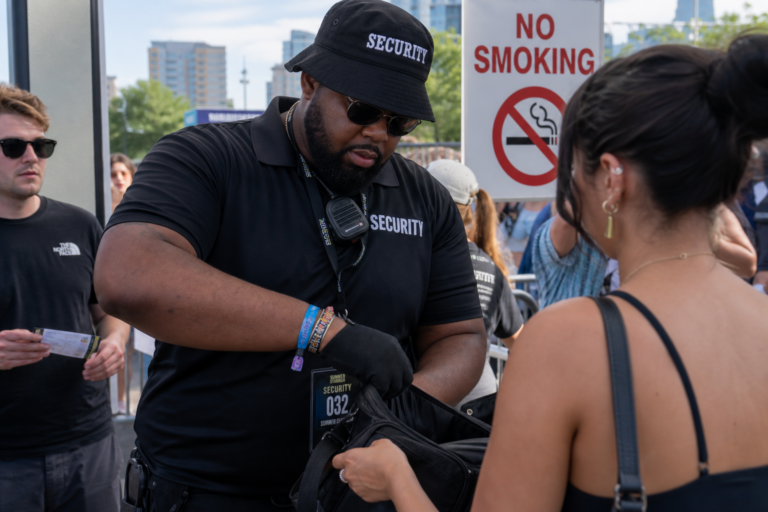
When your carry-on goes through the X-ray machine, the TSA agent can see the electronic device. This is routine. In most cases, nothing happens. Vapes are common, and TSA officers see hundreds of them daily.
Occasionally, a TSA agent may pull your bag aside for a secondary inspection. They may ask you to remove the device so they can look at it. This is normal. Cooperate, answer questions honestly, and you will be on your way in a minute or two.
What causes problems:
- Packing a vape in checked luggage. TSA will remove it, and you may not get it back.
- Trying to hide it. Concealing a vape does not change the rules, but it does make you look suspicious, which guarantees extra screening.
- Damaged or leaking batteries. If a battery looks swollen, dented, or is actively leaking, TSA may confiscate it as a safety hazard.
Packing Your Vape for a Flight
A few minutes of preparation saves you trouble at the airport.
Devices with removable tanks or pods
- Turn the device off (press the fire button five times quickly).
- Remove the pod or tank. Pressure changes in the cabin can cause e-liquid to expand and leak. A detached pod in a sealed bag is easier to deal with than a tank that floods your bag mid-flight.
- Place the device and the pod in a clear bag or small case.
Disposable vapes
- Most disposables have no off switch. Keep the silicone mouthpiece cover on if the device came with one. This prevents accidental draw activation.
- Store the device upright in a pocket or bag compartment where it will not get squeezed.
- Be aware that cabin pressure can push e-liquid through the airflow vent on some disposables. Wrapping it in a paper towel inside a ziplock bag contains any leaks.
E-liquid bottles
E-liquid counts as a liquid under TSA’s 3-1-1 rule:
- Bottles must be 3.4 ounces (100 mL) or smaller.
- All bottles must fit in a single quart-sized clear plastic bag.
- The bag must come out of your carry-on and go in the screening bin separately.
Larger bottles cannot go in your carry-on. You cannot put them in checked luggage either, since the lithium battery rule means the vape device has to stay in your carry-on and the juice is not much use without it. If you need more than 100 mL of e-liquid, ship it ahead through a PACT Act-compliant carrier. For how that works, see our guide to mailing vape products in the US.
Using Your Vape on the Plane
Do not vape on the plane. This is not a suggestion. It is federal law.
The Department of Transportation banned the use of electronic cigarettes on all commercial flights in 2016. The ban covers every U.S. carrier and every foreign carrier operating flights to or from the United States. It applies in the cabin and in the lavatory.
If you are caught vaping on a plane:
- The flight crew will confront you.
- You may be fined. Fines for vaping on a plane range from $2,000 to $4,000 or more, depending on the airline and circumstances.
- You could be arrested on arrival, especially if you were vaping in the lavatory and triggered the smoke detector.
- The airline may ban you from future flights.
Stealth vaping (holding the vapor in until it dissipates, blowing into your shirt, etc.) does not work as well as people think. The vapor still has a scent, the person next to you will notice, and flight attendants are trained to look for it. The risk is not worth it.
International Travel with a Vape
This is where things get complicated. TSA rules only apply inside the United States. When you land in another country, their laws take over. And a lot of countries have much stricter rules than the US.
As of early 2026, at least 46 countries have fully banned the sale, import, and possession of e-cigarettes, according to the Global Center for Good Tobacco Control. That list includes popular travel destinations:
- Thailand , import, sale, and possession all illegal. Tourists have been fined and detained.
- Singapore , complete ban. Customs will confiscate your device at the airport.
- Australia , prescription-only for nicotine vapes. Importing without a valid prescription is illegal.
- India , production, import, sale, and possession of e-cigarettes all banned since 2019.
- Brazil , sale and import banned since 2009.
- Mexico , sale banned since 2022. Possession in small quantities for personal use is a gray area, but customs may still confiscate.
Even in countries where vaping is legal, the rules for carrying a device may differ from US standards. Japan, for example, allows non-nicotine vapes but heavily restricts nicotine e-liquids. Some European countries have flavor restrictions that affect what you can bring in.
For a detailed breakdown, see our analysis of vape bans and regulatory policies worldwide.
Before you fly internationally:
- Check the vaping laws of your destination country. A quick search for “[country name] vape laws” will usually get you current information.
- Check any countries where you have layovers. You might clear customs at a connecting airport where vapes are banned.
- Check your airline’s policy. Some international carriers impose their own restrictions beyond what the destination country requires.
- Consider leaving the vape at home if you are traveling to a country where possession is illegal. A confiscated device is the best case. A fine or detention is the worst.
Lithium Battery Limits
The FAA limits lithium-ion batteries in carry-on baggage to 100 watt-hours (Wh) per battery. Most vape batteries fall well below this limit:
- A typical 18650 cell (the most common in vape mods) is around 10 to 15 Wh.
- Disposable vapes and pod systems use much smaller batteries, typically 2 to 10 Wh.
You are very unlikely to hit the 100 Wh ceiling with a vape device. The only scenario where it might come up is with large, dual-battery box mods using high-capacity cells. If you are unsure, check the Wh rating printed on the battery or in the device’s documentation.
Batteries between 100 and 160 Wh require airline approval. Batteries over 160 Wh are not permitted on passenger aircraft at all.
Quick Reference Table
| Item | Carry-On | Checked Bag |
|---|---|---|
| Vape device (any type) | ✅ Yes | ❌ No |
| Spare lithium batteries | ✅ Yes (in cases) | ❌ No |
| E-liquid (≤100 mL) | ✅ Yes (3-1-1 bag) | ⚠️ Not practical |
| E-liquid (>100 mL) | ❌ No | ❌ No |
| Disposable vape | ✅ Yes | ❌ No |
| Vaping on the plane | ❌ Illegal | ❌ Illegal |
What If TSA Confiscates Your Vape?
TSA does not want your vape. Confiscation is rare for properly packed devices. It typically only happens if:
- The device was found in checked luggage.
- The battery appears damaged, swollen, or leaking.
- You attempted to conceal the device in a way that raised security concerns.
If TSA does confiscate your device, there is no appeals process at the checkpoint. You will not get it back. Your options are to accept the loss or, if time allows, leave the checkpoint and make other arrangements (such as giving the device to someone who is not flying).
Related Articles
- Analysis of The Worlds Major Airlines Policies on Vapes
- Can You Bring a Thc Vape on a Plane an Authoritative Guide
- Can You Bring a Vape on a Plane
- Tsa Intensifies Crackdown on Vapes on a Plane
Related Guides
- How to Mail Vape and Vape Juice in the US , PACT Act rules and carrier policies for shipping vape products.
- Vape Bans and Regulatory Policies Worldwide , which countries ban vaping and what the penalties are.
- Vaping Age Limits by Country , minimum age requirements around the world.
- How to Recycle Used Vapes , safe disposal of devices and batteries.



One Comment