

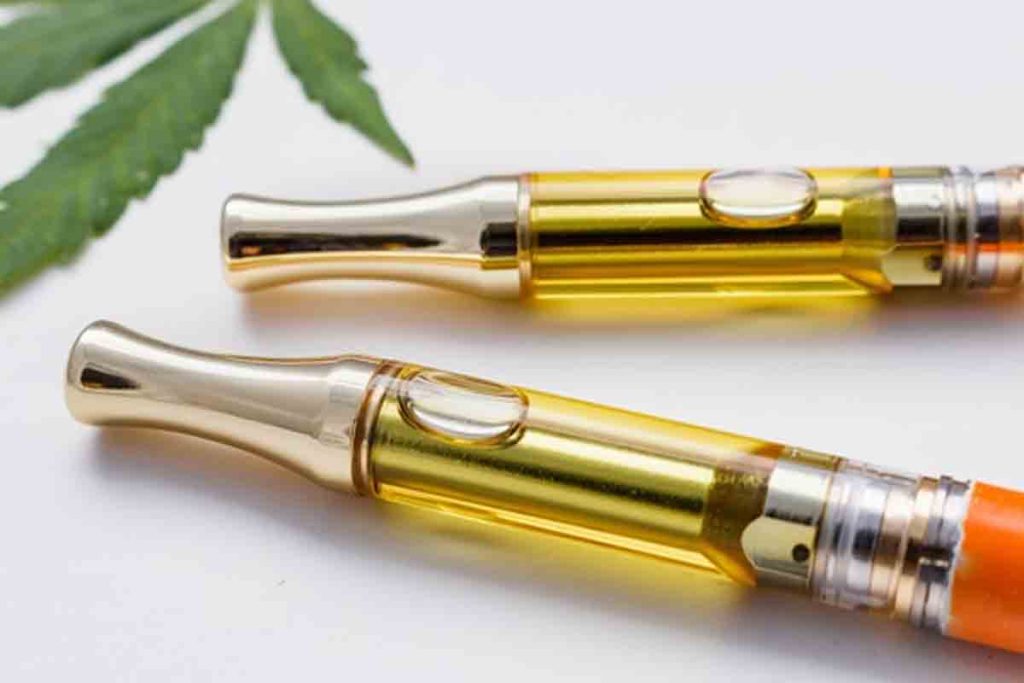
THC Vape Laws in 2026: What Changed and What It Means
Two major federal actions in late 2025 and early 2026 reshaped the legal field for THC vape products in the United States. If you are reading guides written before November 2025, they are out of date.
In November 2025, Congress amended the definition of hemp to close the “intoxicating hemp” loophole that had allowed delta-8, delta-10, THC-O, and other psychoactive hemp-derived cannabinoids to be sold legally in gas stations and smoke shops across the country. That loophole is now closed at the federal level.
In April 2026, the DOJ and DEA placed FDA-approved marijuana products and state-licensed medical marijuana into Schedule III of the Controlled Substances Act. A separate hearing is scheduled for June 2026 to consider broader rescheduling of all marijuana.
Here is what the law looks like now, broken down by category.
Federal Law: The Three Big Changes
1. The 2018 Farm Bill (still the foundation)
The Agriculture Improvement Act of 2018 legalized hemp, defined as cannabis sativa L. with less than 0.3% delta-9 THC on a dry weight basis. This created the market for CBD products and, through a widely exploited loophole, for hemp-derived psychoactive cannabinoids like delta-8 THC, delta-10 THC, and THC-O acetate.
The key distinction: the Farm Bill legalized hemp and hemp-derived cannabinoids, but it never explicitly legalized intoxicating hemp products. Manufacturers used a creative reading of the statute to produce delta-8 and similar compounds from legally grown hemp, converting CBD into psychoactive THC variants through chemical synthesis.
2. The 2025 Hemp Amendments (H.R. 5371, November 2025)
On November 12, 2025, Congress enacted the most significant change to federal hemp policy since the 2018 Farm Bill. As part of a spending package (H.R. 5371), Congress amended the federal definition of hemp to exclude products containing synthetically derived intoxicating cannabinoids.
What this means in practice:
- Delta-8 THC, delta-10 THC, THC-O acetate, and similar synthetically derived psychoactive cannabinoids are no longer considered legal hemp products under federal law.
- Products containing these compounds are now classified as controlled substances, regardless of whether they are derived from hemp.
- CBD products that do not contain intoxicating levels of any THC variant remain legal under the Farm Bill framework.
- Hemp flower and raw hemp material below 0.3% delta-9 THC remain legal.
This amendment effectively ended the federally legal market for delta-8 vapes, delta-10 gummies, THC-O cartridges, and other intoxicating hemp products that had proliferated since 2019. State enforcement timelines vary, and some states had already banned these products before the federal change.
3. Schedule III Rescheduling (April 2026)
In April 2026, the DOJ and DEA issued an order moving FDA-approved marijuana products and state-licensed medical marijuana into Schedule III of the Controlled Substances Act. This is the biggest federal shift on cannabis regulation in decades.
Key points:
- Medical marijuana licensed by a state program is now Schedule III, not Schedule I. This means state-licensed medical dispensaries operate under a recognized federal category, and Section 280E tax penalties no longer apply to qualifying medical businesses.
- FDA-approved cannabis products (such as Epidiolex and any future FDA-approved formulations) are also Schedule III.
- Recreational marijuana remains Schedule I at the federal level. If you buy a THC vape from a recreational dispensary in a legal state, the federal government still classifies that product as a Schedule I controlled substance.
- A DEA hearing beginning June 29, 2026 will consider broader rescheduling of all marijuana to Schedule III. This hearing could take months to produce a final rule.
For THC vape consumers, the practical impact is limited for now. If you have a valid medical marijuana card and buy from a state-licensed medical dispensary, your product is now federally recognized as Schedule III. If you buy from a recreational dispensary, the product is still Schedule I under federal law, even though your state allows it.
State-by-State: Where THC Vapes Are Legal
State law is what actually determines whether you can walk into a store and buy a THC vape. Federal classification matters for enforcement and taxation, but no state is waiting for federal legalization.
Recreational + Medical (24 states + DC)
In these states, adults 21 and older can purchase THC vape products from licensed dispensaries. Medical patients may have access to higher-potency products or lower taxes.
Alaska, Arizona, California, Colorado, Connecticut, Delaware, Illinois, Maine, Maryland, Massachusetts, Michigan, Minnesota, Missouri, Montana, Nevada, New Jersey, New Mexico, New York, Ohio, Oregon, Rhode Island, Vermont, Virginia, Washington, and DC.
Medical only (14 states)
THC vapes are available only to registered medical marijuana patients with a valid recommendation from a qualifying physician.
Arkansas, Florida, Hawaii, Louisiana, Mississippi, New Hampshire, North Dakota, Oklahoma, Pennsylvania, South Dakota, Utah, West Virginia, and others with limited medical programs.
CBD / low-THC only or fully prohibited
These states do not allow THC vape products with psychoactive doses. Some permit CBD oil with very low THC content for specific medical conditions.
Alabama, Georgia, Idaho, Indiana, Iowa, Kansas, Kentucky, Nebraska, North Carolina, South Carolina, Tennessee, Texas, Wisconsin, Wyoming.
In Texas, for example, the Compassionate Use Program allows only low-THC cannabis oil (up to 1% THC by weight) for a narrow set of qualifying conditions. THC vape pens delivering a psychoactive dose are not available legally.
For state-specific details, the NORML state laws database is the most current source.
The Delta-8 Situation After the 2025 Amendment
Before November 2025, delta-8 THC vapes occupied a strange space. They were psychoactive, they were widely available (gas stations, head shops, online), and they were technically legal under the Farm Bill’s definition of hemp-derived cannabinoids. That era is over at the federal level.
After the 2025 hemp amendments:
- Delta-8, delta-10, THC-O, HHC, and other synthetically derived psychoactive cannabinoids are no longer considered legal hemp products.
- Existing inventory at retail stores is technically illegal to sell, but enforcement varies by state and locality.
- Online sales of these products have contracted significantly. Major payment processors and carriers that were already reluctant to handle hemp-derived THC products have become more restrictive.
- Some states had already banned these products before the federal change, including Colorado, Washington, Oregon, and several others.
If you see delta-8 vapes for sale in 2026, the seller is likely operating in a legal gray area or is simply not yet aware of the federal change. Buyer beware.
THC Vape Shipping and the PACT Act
The PACT Act applies to nicotine vaping products, not THC products. THC vape shipping is governed by a different set of rules:
- Interstate shipment of marijuana (including THC vapes) is a federal crime, regardless of whether both states have legal markets. You cannot legally ship a THC vape from California to New York, even though both states allow recreational use.
- Within a state, licensed dispensaries use state-approved delivery services that comply with state cannabis regulations, not the PACT Act.
- Hemp-derived CBD products (non-intoxicating) can be shipped under the Farm Bill framework, subject to carrier policies.
- Delta-8 and other formerly legal hemp-derived THC products are now in a regulatory no-man’s-land after the 2025 amendments. Most carriers will not handle them.
For nicotine vape shipping rules, see our guide to mailing vape products in the US.
Flying with a THC Vape
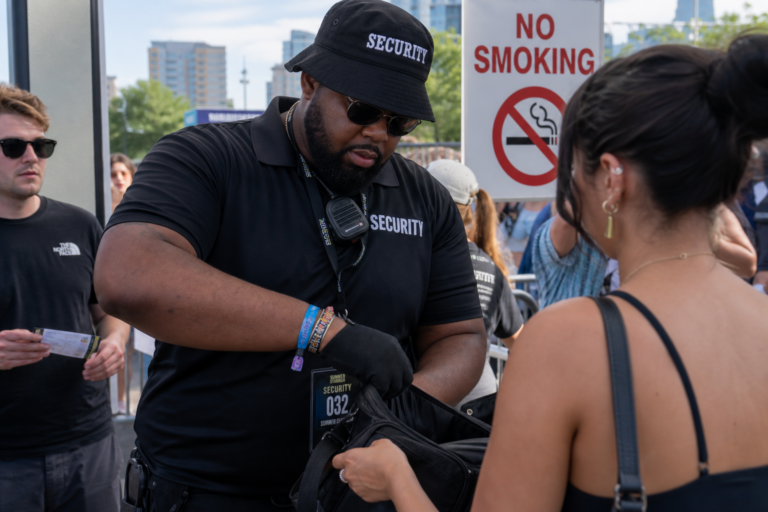
TSA screens for security threats, not drugs. But if a TSA agent finds a THC vape during screening, they are required to refer it to law enforcement. What happens next depends on the airport’s local jurisdiction.
- In states where marijuana is legal, local law enforcement at the airport may simply let you go, especially for small quantities. Some airports in legal states have explicit policies allowing passengers to carry small amounts of marijuana.
- In states where marijuana is illegal, you could face arrest or citation for possession.
- Federal law still applies at airports, which are federal jurisdiction. Technically, any marijuana possession at a TSA checkpoint is a federal matter, even in legal states.
For more on this, see our guide to bringing a vape on a plane.
Quick Reference: THC Vape Legal Status
| Product Type | Federal Status (2026) | Available In |
|---|---|---|
| Dispensary THC vape (recreational) | Schedule I | 24 states + DC |
| Dispensary THC vape (medical) | Schedule III (as of Apr 2026) | Medical-legal states |
| Delta-8 / delta-10 THC vape | No longer legal hemp (Nov 2025) | Fading market; enforcement varies |
| CBD vape (non-intoxicating) | Legal under Farm Bill | All 50 states (with restrictions) |
| THC-O / synthetic cannabinoids | Controlled substance | Nowhere legally |
Frequently Asked Questions
Are THC vapes legal under federal law?
Recreational THC vapes remain Schedule I controlled substances. Medical THC vapes from state-licensed dispensaries were moved to Schedule III in April 2026. The delta-8 loophole was closed by Congress in November 2025.
Can I buy a delta-8 vape legally in 2026?
Probably not. The November 2025 federal hemp amendments removed synthetically derived intoxicating cannabinoids from the legal hemp definition. Some stores may still sell old inventory, but these products are no longer federally legal.
Can I travel with a THC vape?
Within a state where it is legal, yes. Across state lines, no. Interstate transport of marijuana is a federal crime, even between two legal states. At airports, TSA may refer THC products to law enforcement.
When will marijuana be fully rescheduled?
A DEA hearing is scheduled for June 29, 2026, to consider broader rescheduling of all marijuana to Schedule III. The process could take months or longer to produce a final rule. Medical marijuana is already Schedule III as of April 2026.
Related Guides
- How to Mail Vape and Vape Juice in the US , PACT Act rules and carrier policies.
- Can You Bring a Vape on a Plane? , TSA rules for flying with vape devices.
- Can You Buy Vapes Online? , legal rules and how online vape shopping works.
- What Is a Disposable Vape? , device types and the 2026 market.


Build your vape knowledge
Read more guides
Find explainers, how-to articles and reference material.
Open guide library →Compare vape products
Check specifications across the product database.
Open product data →Read hands-on reviews
See tested devices and documented trade-offs.
Read review coverage →