

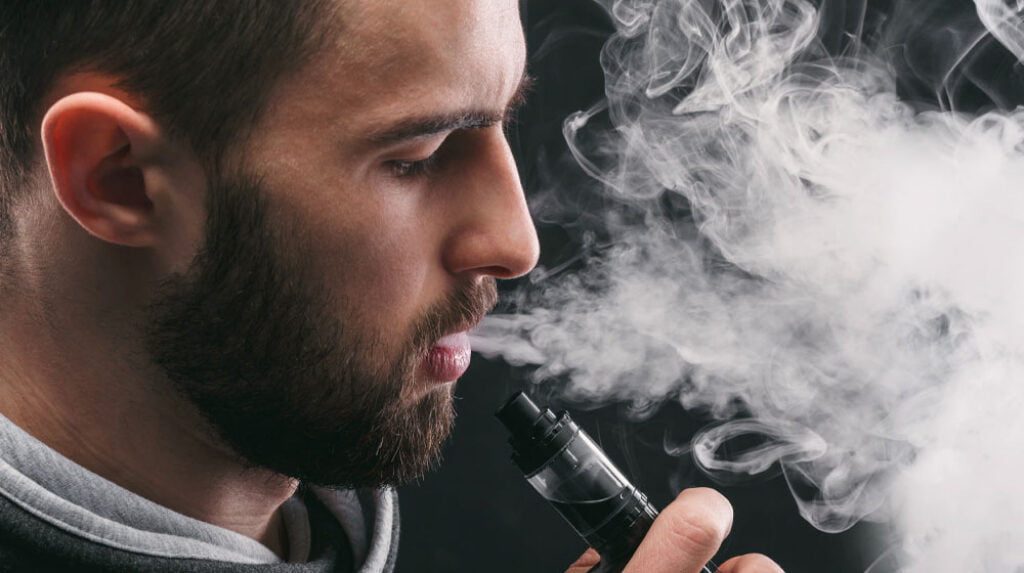
How does nicotine in e-cigarettes affect the body? It’s a question that matters whether you’re a current vaper, a smoker thinking about switching, or a parent trying to understand what your teenager is inhaling. The answer is more complicated than “nicotine is bad for you” or “at least it’s not smoking.” Nicotine delivered through e-cigarettes hits your system fast, alters brain chemistry, stresses your cardiovascular system, and its long-term effects through vaping are still being mapped out. Here’s what the latest research actually shows.
What nicotine does when you vape
Nicotine is a stimulant alkaloid found naturally in tobacco plants. In e-cigarettes, it’s dissolved in a base of propylene glycol (PG) and vegetable glycerin (VG), heated to form an aerosol, and inhaled into the lungs. From there, it enters the bloodstream through the alveoli and reaches the brain within 10 to 20 seconds—roughly the same speed as a traditional cigarette.
That fast delivery is part of the problem. The quicker nicotine reaches the brain, the more strongly it reinforces the behavior of using it. This is why the delivery method matters: a nicotine patch delivers nicotine slowly over hours, while vaping delivers it in a rapid spike that closely mimics smoking. For more on how much nicotine you’re actually getting, see our guide on how much nicotine is in a vape.
Nicotine and the brain: addiction, dopamine, and adolescent risk
Once nicotine crosses the blood-brain barrier, it binds to nicotinic acetylcholine receptors (nAChRs), triggering the release of dopamine in the nucleus accumbens—the brain’s reward center. That dopamine surge creates the pleasurable “hit” that keeps people coming back. Over time, the brain adapts by reducing the number of available receptors and dialing down its own dopamine production. This is tolerance, and it’s the biological foundation of addiction.
When nicotine levels drop, withdrawal kicks in: irritability, anxiety, difficulty concentrating, increased appetite, and low mood. A 2024 study from USC found that among youth who vape, daily use has been rising and quitting is getting harder—consistent with what we know about nicotine’s neuroadaptation cycle.
The adolescent brain is especially vulnerable. A $1.4 million research project at Western University’s Schulich School of Medicine (2024), led by Dr. Steven Laviolette, is studying the neurotoxic effects of nicotine specifically from e-cigarettes on the developing brain. Their preliminary findings indicate that adolescent nicotine exposure can alter the prefrontal cortex—the area responsible for decision-making, impulse control, and emotional regulation—in ways that may be irreversible. A 2025 review in Molecular Psychiatry confirmed that adolescent nicotine exposure causes persistent changes to neurocircuitry that extend well into adulthood.
The CDC’s 2024 National Youth Tobacco Survey adds context: among middle and high school students who use e-cigarettes, symptoms of depression and anxiety were significantly more common than among non-users. It’s a correlation, not causation—kids who are struggling mentally may be more likely to start vaping—but the association is strong enough to warrant serious concern. For more on this, see our coverage of alarming facts about vaping.
Cardiovascular effects: what nicotine does to your heart and blood vessels
Nicotine activates the sympathetic nervous system. When you vape, your body releases adrenaline (epinephrine), which causes your heart rate to increase and your blood vessels to constrict. Blood pressure goes up. This happens within minutes of a single vaping session.
A 2025 systematic review and meta-analysis published in Toxics examined the cardiovascular effects of nicotine-containing e-cigarettes in young adults (ages 18-30). The key finding: nicotine e-cigarettes produced time- and dose-dependent increases in both systolic and diastolic blood pressure and heart rate compared to nicotine-free devices. In plain terms, the more nicotine you inhale, the harder your cardiovascular system works—and the effect is measurable even after a single session.
A separate 2025 review in Heart (BMJ) noted that while acute cardiovascular effects (elevated heart rate and blood pressure) are consistently documented, the long-term cardiovascular consequences of vaping remain unknown. We simply don’t have decades of data yet. What we do know is concerning: chronic sympathetic activation—keeping your body in a low-grade “fight or flight” state—is a known risk factor for hypertension, arterial stiffness, and eventually cardiovascular disease.
Nicotine also affects endothelial function—the ability of blood vessels to dilate and contract properly. A 2024 study in High Blood Pressure & Cardiovascular Prevention compared nicotine-containing e-cigarettes with nicotine-free ones and found that only the nicotine devices impaired endothelial markers, suggesting that nicotine itself (not just the PG/VG base) is directly harmful to vascular health. For a broader comparison, see our analysis of whether it’s better to smoke or vape.
Lungs and respiratory system
E-cigarettes don’t produce tar or carbon monoxide—two of the most harmful components of combustible cigarette smoke. That’s the primary argument for vaping as a harm reduction tool. But “less harmful than cigarettes” is not the same as “safe.”
Nicotine itself contributes to pulmonary inflammation. A 2025 study published in Respiratory Medicine found that e-cigarette aerosol containing nicotine induced measurable pulmonary inflammatory responses in healthy volunteers, as detected through lung-related circulating extracellular vesicles. The nicotine-free aerosol also triggered some inflammation, but the nicotine-containing aerosol produced a stronger response.
Nicotine also impairs mucociliary clearance—the mechanism your lungs use to sweep out debris and pathogens. When that system slows down, you’re more susceptible to respiratory infections. A 2025 comprehensive review in PMC described how e-cigarette aerosol damages lung epithelial cells, increases oxidative stress, and compromises the immune response against pathogens.
And then there’s the immune system angle. A 2025 review in the Journal of Clinical Immunology found that e-cigarette aerosol induces widespread inflammation, compromises both innate and adaptive immune cell function, and alters cytokine production. Nicotine plays a role in this immunosuppression, though the PG/VG base and flavoring compounds contribute as well. For a deep dive into what’s in the aerosol, see our breakdown of what chemicals are in vapes.
Metabolic and digestive effects
Nicotine affects your metabolism in ways that go beyond the brain and heart. It suppresses appetite by acting on hypothalamic receptors, which is why many smokers and vapers report reduced hunger and weight gain after quitting. It also increases resting metabolic rate slightly, causing the body to burn a few more calories at rest.
But there’s a trade-off. Nicotine stimulates gut motility, which can cause diarrhea in some users and nausea in others—especially at higher doses. The propylene glycol in e-liquid adds a dehydrating effect that further stresses the digestive system. We cover this in detail in our article on whether vaping causes diarrhea.
There’s also emerging evidence that nicotine disrupts the gut microbiome. A 2024 study in Scientific Reports found that nicotine exposure significantly altered gut microbial metabolites, particularly reducing the production of short-chain fatty acids that maintain the intestinal barrier and regulate inflammation. This is the same pathway implicated in inflammatory bowel disease and metabolic disorders.
Reproductive and developmental effects
Nicotine crosses the placenta, and the data on prenatal exposure is not reassuring. A 2024 animal study published in the American Journal of Physiology-Lung Cellular and Molecular Physiology found that maternal exposure to e-cigarette residue—with or without nicotine—affected offspring’s immune response later in life. The effects persisted well beyond the exposure period, suggesting that vaping during pregnancy may have lasting consequences for fetal development.
Nicotine has also been shown to constrict uterine blood vessels, reducing blood flow to the fetus. This can contribute to low birth weight, preterm delivery, and developmental problems. The American College of Obstetricians and Gynecologists (ACOG) recommends that pregnant women avoid all nicotine products, including e-cigarettes.
For men, the evidence is more limited but still concerning. Some studies suggest that nicotine may reduce sperm motility and count, though the research specifically on vaping (as opposed to smoking) is still in early stages.
How e-cigarette nicotine compares to cigarette nicotine
This is where the nuance matters. A common question is whether the nicotine in e-cigarettes is “the same” as the nicotine in cigarettes. Chemically, yes—it’s the same molecule. But the delivery profile is different.
Cigarettes deliver nicotine in a rapid spike, followed by a quick drop. E-cigarettes can deliver a similar spike, but the total nicotine delivery varies widely depending on the device, e-liquid concentration, and the user’s puffing behavior. High-wattage devices and nicotine salts (used in most disposable vapes) can deliver nicotine levels comparable to or even exceeding traditional cigarettes.
The key difference is what’s missing: e-cigarettes don’t produce carbon monoxide, tar, or most of the 7,000+ chemicals found in cigarette smoke. That’s a meaningful reduction in harm. But nicotine alone is not benign, and the absence of combustion byproducts doesn’t make it safe—just less dangerous in that particular dimension. Our analysis of nicotine-free vapes explores what happens when nicotine is removed from the equation entirely.
Who is most at risk
- Adolescents and young adults: The developing brain (through roughly age 25) is more susceptible to nicotine’s neurotoxic effects, including impaired attention, learning, and impulse control. Addiction also develops faster in younger users.
- People with cardiovascular conditions: Nicotine’s acute effects on heart rate, blood pressure, and vascular function are particularly risky for anyone with existing heart disease, hypertension, or arrhythmias.
- Pregnant women: Nicotine restricts fetal blood flow and may affect immune and respiratory development in ways that persist after birth.
- People with mental health conditions: The correlation between vaping and anxiety/depression symptoms is well-documented, and nicotine withdrawal can worsen existing mental health issues.
Can you reduce the risks
If you’re currently vaping and want to reduce the health risks from nicotine:
- Step down your nicotine concentration. Going from 5% (50mg/mL) to 3% (30mg/mL) or lower reduces the dose per puff. Do it gradually to minimize withdrawal.
- Switch to nicotine-free e-liquid gradually. This eliminates the nicotine-specific risks while still addressing the hand-to-mouth behavioral component.
- Be aware of your puff count. Many vapers don’t track how many puffs they take per day. Reducing frequency is a straightforward way to cut total nicotine intake.
- Consider nicotine replacement therapy (NRT) for quitting. Patches, gum, and lozenges deliver nicotine more slowly and without the PG/VG aerosol, making them a safer bridge to becoming nicotine-free.
- Stay hydrated and active. Counteracting the cardiovascular and dehydrating effects of nicotine with regular exercise and water intake can help, though it doesn’t eliminate the risks.
If you’re using vaping as a smoking cessation tool, the calculation is different: the harm reduction from eliminating combustion may outweigh the risks of continued nicotine exposure, at least in the short term. But the goal should still be to transition off nicotine entirely.
What we still don’t know
This is worth stating clearly. E-cigarettes have been widely available for roughly 15 years. That’s not enough time to understand the long-term health effects of inhaling nicotine-laced aerosol daily for decades. The cardiovascular and respiratory research we have covers acute and short-term effects. The chronic, 20+ year outcomes are still unknown.
What we can say with confidence: nicotine is a biologically active drug with measurable effects on the brain, heart, blood vessels, lungs, gut, and reproductive system. Delivering it through e-cigarettes eliminates some of the harms of combustion but introduces new variables—PG/VG aerosol chemistry, flavoring compound safety, and device-specific factors—that are still being studied.
Key takeaways
- Nicotine reaches the brain within 10-20 seconds of vaping, creating rapid dopamine spikes that drive addiction
- Adolescent brains are especially vulnerable—nicotine can cause persistent changes to neurocircuitry (Molecular Psychiatry, 2025)
- Nicotine-containing e-cigarettes produce dose-dependent increases in heart rate and blood pressure (Toxics, 2025)
- Nicotine impairs endothelial function, affecting how blood vessels dilate (High Blood Pressure & Cardiovascular Prevention, 2024)
- Pulmonary inflammation from e-cigarette aerosol is stronger when nicotine is present (Respiratory Medicine, 2025)
- Prenatal exposure to e-cigarette residue can affect offspring’s immune function long-term (American Journal of Physiology, 2024)
- Long-term effects of vaping are still unknown—we lack decades of data
FAQ
How does nicotine from e-cigarettes affect the body?
Nicotine from e-cigarettes acts as a stimulant, increasing heart rate and blood pressure, triggering dopamine release in the brain (driving addiction), causing pulmonary inflammation, and affecting gut and reproductive health. It reaches the brain within 10-20 seconds of inhaling.
Is nicotine from vaping different from nicotine in cigarettes?
Chemically, it’s the same molecule. The difference is in delivery: e-cigarettes avoid the tar and carbon monoxide of combustible cigarettes, but they can still deliver comparable or higher nicotine levels depending on the device and e-liquid used.
Does nicotine from e-cigarettes affect brain development?
Yes. Research shows that nicotine exposure during adolescence alters the prefrontal cortex and can cause persistent changes to brain circuitry that extend into adulthood. This includes impaired attention, learning, and impulse control.
Can vaping nicotine cause heart problems?
Nicotine from vaping acutely raises heart rate and blood pressure, and impairs endothelial function. While long-term cardiovascular outcomes are still unknown, chronic sympathetic activation from regular nicotine use is a known risk factor for cardiovascular disease.
Is nicotine-free vaping safer?
Removing nicotine eliminates the stimulant, addictive, and cardiovascular effects. But PG/VG aerosol and flavoring compounds still pose health risks, including gut barrier disruption and pulmonary inflammation. “Safer” doesn’t mean “safe.” See our full breakdown of nicotine-free vape safety.
How long does nicotine from vaping stay in your system?
Nicotine has a half-life of about 2 hours. Cotinine, the primary metabolite used in blood tests, has a half-life of roughly 16-20 hours and can be detected for 3-4 days after last use. Chronic users may test positive for longer.




Build your vape knowledge
Read more guides
Find explainers, how-to articles and reference material.
Open guide library →Compare vape products
Check specifications across the product database.
Open product data →Read hands-on reviews
See tested devices and documented trade-offs.
Read review coverage →