

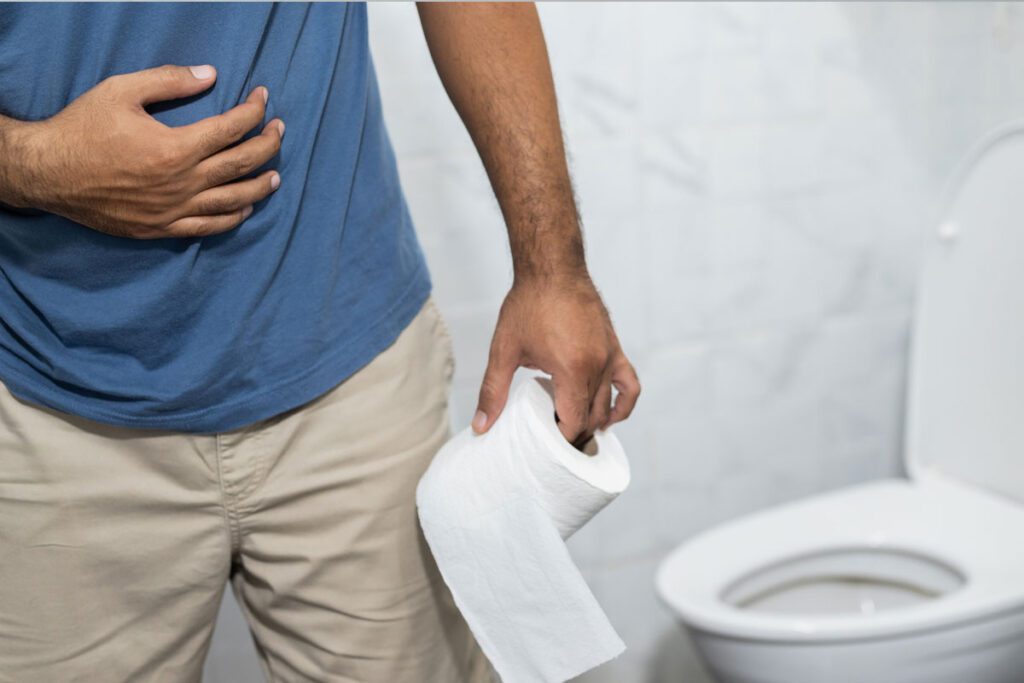
Do people who vape get diarrhea? It’s a question that sounds almost too specific to Google, but plenty of vapers have found themselves dealing with unexpected trips to the bathroom after picking up an e-cigarette. The short answer: yes, vaping can cause diarrhea and other digestive issues in some people. The longer answer involves nicotine, propylene glycol, gut bacteria, and a chain of effects that most vapers never think about. Here’s what the research actually shows.
What happens in your gut when you vape
When you inhale from a vape, you’re not just pulling nicotine into your lungs. The aerosol contains propylene glycol (PG), vegetable glycerin (VG), flavoring compounds, and in some cases, trace metals. Some of these chemicals end up in your digestive tract through swallowed saliva and post-nasal drip. That’s not speculation—researchers at UC San Diego published a study in iScience (2021) showing that e-cigarette chemicals directly affect the gut lining, even when nicotine is removed from the equation.
The study, led by Dr. Soumita Das and Dr. Pradipta Ghosh, used 3D models of human intestinal tracts grown from patient stem cells. They found that chronic exposure to e-cigarette vapor weakened the gut barrier—specifically the tight junctions between epithelial cells that normally seal the intestines from trillions of microbes. When those junctions break down, you get what’s called a “leaky gut,” where bacteria and toxins seep into surrounding tissue, triggering chronic inflammation.
“It’s the chemicals making up the vapor liquid that we should be more concerned about,” Dr. Ghosh told UC San Diego Health News. “Nicotine content has always been the major focus, but in reality, it’s the PG and VG that cause gut inflammation.”
That’s an important point: even nicotine-free e-cigarettes can cause digestive problems. The base liquids themselves are the culprits in this particular mechanism. For more on the specific chemicals in vape aerosol, see our breakdown of what’s actually in vapes.
Nicotine and bowel movements: why vaping can cause diarrhea
Nicotine is a stimulant. It acts on the nicotinic acetylcholine receptors throughout the body, including in the gastrointestinal tract. When these receptors are activated in the gut, they increase peristalsis—the wave-like muscle contractions that move food through your intestines.
The result? Food moves through your digestive system faster than normal. When transit time speeds up, your colon has less time to absorb water from stool, which can lead to loose or watery bowel movements. This is the same mechanism that makes some coffee drinkers need the bathroom shortly after their morning cup—caffeine is also a gut stimulant, though it works through different pathways.
A 2024 review published in The Open Public Health Journal summarized the evidence on nicotine and gastrointestinal diseases, noting that nicotine’s pro-motility effects can cause diarrhea in some users while paradoxically causing constipation in others. The effect depends on dose, individual sensitivity, and which part of the GI tract is most affected.
High-nicotine e-liquids and disposable vapes that deliver concentrated doses are more likely to trigger this effect. A single disposable device can contain as much nicotine as several packs of cigarettes, and the rapid absorption through the lungs means the stimulant hits your system quickly.
Propylene glycol: the dehydrating agent
Propylene glycol is a hygroscopic compound, meaning it attracts and holds water. When you vape PG-based e-liquid, it draws moisture from your mouth, throat, and—less obviously—your digestive tract. This is why many vapers experience dry mouth and persistent thirst.
The dehydration effect extends to the gut. When the digestive system doesn’t have enough water available, it struggles to process stool properly. Oddly, this can cause both constipation (when the colon compensates by pulling too much water from waste) and diarrhea (when the gut lining becomes irritated and secretes excess fluid in response). The UC San Diego study specifically identified PG and VG as the primary drivers of gut barrier disruption.
Some vapers report that switching to a higher-VG, lower-PG e-liquid reduces digestive symptoms. This makes sense—VG is less hygroscopic than PG and generally less irritating to mucous membranes. But VG comes with its own issues: it’s thicker, can gunk up coils faster, and may cause bloating or a heavy feeling in the stomach in some users.
Gut microbiome disruption
This is where the research gets really interesting—and where the long-term concerns lie. Your gut is home to trillions of bacteria that influence everything from digestion to immune function to mood. Disrupting this community, called the gut microbiome, can have cascading effects.
A 2024 study in Scientific Reports investigated how nicotine exposure alters gut microbial metabolites and found significant changes in the production of short-chain fatty acids (SCFAs)—compounds produced by gut bacteria that help maintain the intestinal barrier, regulate inflammation, and support healthy digestion. When SCFA production drops, the gut becomes more permeable and more prone to inflammatory responses.
A 2025 review in Nature examined smoking-induced microbial dysbiosis as a driver of systemic diseases, noting that gut microbiome disruption is linked not just to digestive issues like IBD and diarrhea, but also to metabolic disorders, cardiovascular disease, and even neurological conditions. While that review focused on combustible cigarettes, the UC San Diego study demonstrates that e-cigarettes cause similar disruption through different chemical pathways.
The bottom line: vaping changes your gut bacteria, and those changes can manifest as diarrhea, bloating, cramping, or other GI symptoms that might not seem connected to your vape at first. For more on how vaping affects the body beyond the lungs, see our coverage of the effects of nicotine on health.
What about nicotine-free vapes?
Here’s where it gets tricky. Many people assume that removing nicotine removes the problem. Not quite. The UC San Diego study deliberately tested nicotine-free e-cigarette vapor and found that it still caused gut barrier breakdown and inflammation. The PG and VG base liquids—present in every e-cigarette, regardless of nicotine content—were the primary culprits.
That said, nicotine-free vapes do eliminate the stimulant effect on gut motility, so the diarrhea risk is generally lower. But if PG sensitivity or gut microbiome disruption is the root cause of your symptoms, switching to zero-nicotine won’t fully solve the problem. Our guide on whether nicotine-free vapes are safe goes deeper on this topic.
Other digestive problems linked to vaping
Diarrhea isn’t the only GI issue vapers report. The research and clinical evidence point to several others:
- Acid reflux and heartburn: Nicotine relaxes the lower esophageal sphincter, the muscle that keeps stomach acid from flowing backward. When it relaxes, acid creeps up into the esophagus. This is one of the most common digestive complaints among both smokers and vapers.
- Nausea: Especially common in new vapers or those using high-nicotine liquids. Nicotine stimulates the chemoreceptor trigger zone in the brain, which is the same pathway that causes nausea during chemotherapy or motion sickness.
- Constipation: The dehydration from PG and the diuretic effect of nicotine can slow down bowel movements in some people. It’s the opposite of the stimulant effect—your body tries to conserve water by slowing transit through the colon.
- Bloating and gas: Disrupted gut bacteria produce different gas profiles. Some vapers report increased flatulence and abdominal distension, especially after switching e-liquid flavors or brands.
- Abdominal cramping: Gut inflammation from PG/VG exposure can cause generalized abdominal discomfort that’s easy to mistake for food poisoning or a stomach bug.
Vaping and inflammatory bowel disease
For people with Crohn’s disease or ulcerative colitis, the stakes are higher. A 2022 case-control study published in Digestive Diseases and Sciences compared 127 IBD patients who used e-cigarettes with 251 matched controls. The findings suggested that e-cigarette use may worsen disease outcomes in Crohn’s disease, paralleling what’s already known about combustible cigarettes.
Given the established link between gut barrier disruption and IBD flares, this isn’t surprising. If you have IBD, vaping is particularly risky for your digestive health. Talk to your gastroenterologist about it—and don’t assume that switching from cigarettes to e-cigarettes eliminates the GI risk. For a broader comparison, see our analysis of whether it’s better to smoke or vape.
How to reduce digestive side effects if you vape
If you’re dealing with vaping-related diarrhea or other GI symptoms, here’s what can help:
- Drink more water. This is the single most effective step. Counteract the dehydrating effects of PG and nicotine by staying hydrated throughout the day. Aim for at least 8 ounces of water for every hour of vaping.
- Lower your nicotine strength. If the stimulant effect is causing diarrhea, stepping down your nicotine concentration can reduce gut motility. Go from 5% (50mg) to 3% (30mg) or lower.
- Switch your PG/VG ratio. Try a higher-VG, lower-PG e-liquid. Max VG (70/30 or higher) is less dehydrating and less irritating to the gut lining.
- Watch for flavor triggers. Some flavoring compounds—particularly cinnamon, citrus, and menthol—are more irritating to the GI tract. If your symptoms started after switching flavors, that may be the cause.
- Don’t vape on an empty stomach. Nicotine hits harder and faster when your stomach is empty, which amplifies the stimulant effect on your gut.
- Take probiotics. While not a cure, maintaining a healthy gut bacteria population through diet (yogurt, kefir, sauerkraut) or supplements may help offset the microbiome disruption caused by vaping.
When to see a doctor
Occasional loose stools after vaping might not be anything to worry about. But you should talk to a healthcare provider if:
- Diarrhea lasts more than a few days
- You notice blood or mucus in your stool
- You’re experiencing severe abdominal pain
- Symptoms persist even after you stop vaping
- You have unexplained weight loss along with digestive issues
These could indicate a more serious condition like IBD, celiac disease, or a gut infection that needs proper diagnosis and treatment. Don’t just chalk it up to vaping without ruling out other causes.
Key takeaways
- Nicotine speeds up gut motility, which can cause diarrhea—especially at higher doses
- Propylene glycol and vegetable glycerin damage the gut barrier and trigger inflammation, even without nicotine (UC San Diego, iScience, 2021)
- Vaping disrupts the gut microbiome, reducing beneficial short-chain fatty acid production (Scientific Reports, 2024)
- Nicotine-free vapes are not immune—PG and VG cause gut problems on their own
- People with IBD are at higher risk of worsened symptoms from vaping
- Staying hydrated and reducing nicotine strength are the most practical first steps
FAQ
Can vaping cause diarrhea?
Yes. Nicotine stimulates gut motility, speeding up digestion and reducing water absorption in the colon. PG and VG can irritate the gut lining and cause inflammation. Either mechanism can result in loose stools or diarrhea.
Why does vaping give me stomach pain?
Stomach pain from vaping can come from several sources: nicotine irritation of the stomach lining, PG-induced gut inflammation, or gut microbiome disruption. If the pain is severe or persistent, see a doctor.
Are nicotine-free vapes easier on your stomach?
They remove the nicotine stimulant effect, which helps if that’s your main trigger. But PG and VG—the base liquids in all e-cigarettes—can still cause gut inflammation and barrier disruption on their own.
How long does vaping-related diarrhea last?
It varies. If the cause is acute nicotine stimulation, symptoms may resolve within hours of your last vape session. If the gut barrier or microbiome is affected, it can take days to weeks to normalize after you stop.
Does vaping cause IBS?
There’s no direct evidence that vaping causes irritable bowel syndrome. However, vaping can produce IBS-like symptoms (diarrhea, bloating, cramping) through gut inflammation and microbiome disruption. If you already have IBS, vaping may worsen your symptoms.
Is diarrhea a sign of nicotine poisoning?
It can be, especially if accompanied by nausea, vomiting, dizziness, or a rapid heartbeat. Nicotine poisoning is a medical emergency. If you suspect it—particularly in a child who may have ingested e-liquid—call Poison Control immediately at 1-800-222-1222.




I’ve been vaping for two years and have never encountered this situation
Terrific material. With thanks.
Regards. Great stuff!