

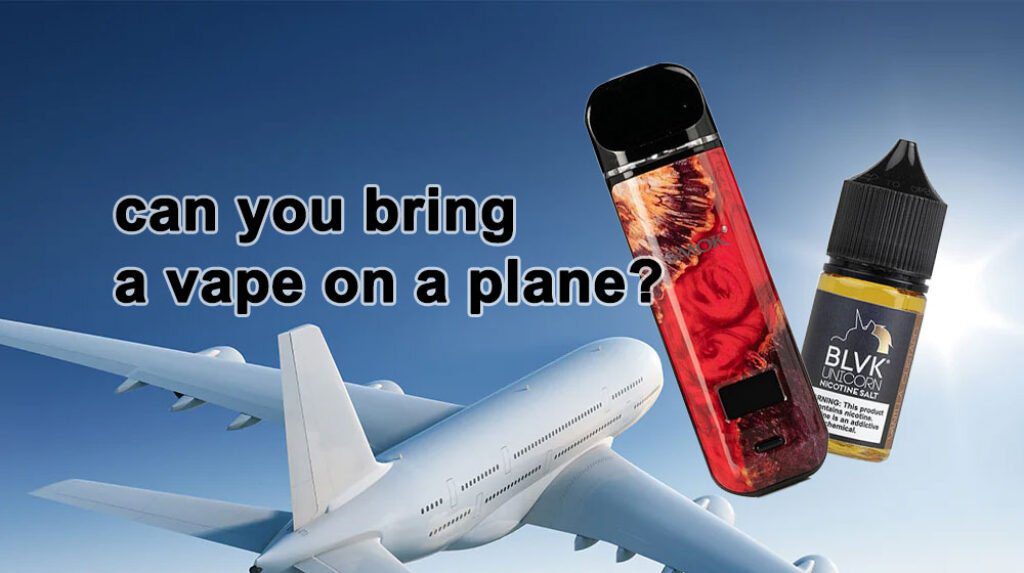
Short answer: yes, you can bring a vape on a plane. But the rules around flying with vapes have changed more in the past 18 months than the previous decade combined — and getting them wrong can mean confiscated gear, fines, or worse. I’ve flown with vapes across the US, Europe, and Asia for years, and I’ve never seen the rules shift this fast. This guide covers everything you need to know before you pack your vape for a flight in 2026, whether you’re flying with a disposable, a pod system, or a full mod setup.
The single most important rule hasn’t changed: your vape goes in your carry-on bag, never in checked luggage. That’s not a suggestion. It’s federal law in the US and applies in virtually every country with commercial aviation under FAA regulations. The reason is lithium battery fire risk — and as we’ll see, 2025 was a record year for battery incidents on planes.
The 2025–2026 Regulatory Tsunami: Why This Guide Is Different
Anyone who looked up “can I bring a vape on a plane” last year and found a guide, chances are it’s already outdated. Here’s what changed just in the last 18 months that makes the 2026 travel reality fundamentally different from 2024.
The UK banned all disposable vapes as of June 1, 2025. France followed in September 2025. Belgium led the EU pack in January 2025. Germany is actively debating a ban as of early 2026, with the Bundesrat pushing the federal government for action. Mexico enacted a full import and sales ban effective January 2026 under a reformed General Health Law. Malaysia’s Cabinet agreed in principle to ban vapes by mid-2026. Singapore’s new Tobacco and Vaporisers Control Act (TVCA) took effect May 1, 2026, raising individual possession fines to up to S$10,000.
The UK’s Vaping Products Duty (VPD) — a new excise tax of £2.20 per 10mL — is confirmed for October 1, 2026, with a duty stamp scheme for compliance. The EU’s TPD III has been delayed and remains on the horizon. Thailand maintains its aggressive enforcement posture. Australia added federal supply penalties up to 7 years and $2.19 million AUD. More than 46 countries now ban e-cigarettes entirely, according to the 2025 Global Tobacco Control report.
I’m laying this out upfront because the biggest mistake travelers make in 2026 is assuming last year’s rules still apply. They don’t.
TSA Vape Rules: The Basics
According to the TSA’s official guidelines, electronic smoking devices are allowed only in carry-on baggage. Here’s what that means in practice.
| Item | Carry-On | Checked |
|---|---|---|
| Vape device (mod, pod system, disposable) | Yes | No |
| Spare lithium batteries | Yes (protected) | No |
| E-liquid (under 3.4 oz / 100 mL) | Yes | Yes |
| E-liquid (over 3.4 oz / 100 mL) | No | Yes |
| Empty tanks / pods | Yes | Yes |
A few things to note. The TSA’s 3-1-1 liquids rule applies to vape juice in your carry-on: each container must be 3.4 ounces (100 mL) or less, and all containers must fit in a single quart-sized clear bag. You pull this bag out separately at security, just like any other liquids. There’s no size limit on e-liquid in checked baggage, meaning a 120 mL bottle, pack it in your checked suitcase.
Each lithium-ion battery must not exceed 100 watt-hours (Wh). For context, even a large box mod with dual 18650 batteries is well under this limit (two 18650s at 3.7V and 3000mAh = about 22Wh total). battery capacity won’t be an issue unless you’re traveling with something very unusual.
For a deeper look at what happens at the security checkpoint itself, our guide on vapes in carry-on baggage covers the TSA screening process in detail.
Why Checked Bags Are Off Limits
The FAA launched its “Vapes On A Plane” campaign for a reason. Electronic smoking devices have been among the leading causes of lithium battery incidents on aircraft for years. When a lithium battery goes into thermal runaway, it generates intense heat, toxic smoke, and can trigger a fire that’s extremely difficult to extinguish.
Here’s the 2025 data that matters. According to the FAA’s latest report, there were 93 lithium battery incidents on aircraft in 2025 — a 4.5% increase from the previous year. Of those, 22 involved e-cigarette or vape devices, making them the second most common source of battery incidents on planes (behind battery packs at 31). Eighty of the 93 incidents occurred on passenger aircraft. Thirteen happened on cargo planes.
In the cabin, flight attendants can respond immediately. They have fire containment bags (like AvSax) and fire extinguishers, and they can isolate the device before a fire spreads. In the cargo hold, nobody is there to react. That’s why every aviation authority in the world requires vape batteries in the cabin.
A notable 2025 incident that reinforced this: a vape battery fire on a Canada-bound flight forced an emergency landing after smoke filled the passenger cabin. No injuries were reported; the message is clear — these are not hypothetical risks. The FAA notes that these are only the incidents the agency was able to verify, meaning the actual number is likely higher.
How to Pack Your Vape for a Flight
I’ve developed a routine over the years that keeps things smooth at security and prevents leaks at altitude.
For Pod Systems and Disposables
Turn the device off if it has a power button. If it’s draw-activated (like most disposables), there’s no off switch; store it where it can’t accidentally fire. Some travelers remove the pod from the battery section and store them separately. Put the whole thing in a sealed zip-top bag. Cabin pressure changes can cause e-liquid to seep through seals, and a bag contains the mess if it happens.
For Mods with Removable Tanks
Empty the tank before you fly. I know it’s annoying; cabin pressure at cruising altitude is lower than sea level, and that pressure difference forces liquid out through the airflow. Every tank I’ve ever flown with has leaked at least a little when full. Empty the tank, store the liquid in a sealed bottle in your quart bag, and refill when you land. Loosen the tank from the mod slightly so pressure doesn’t build up between the two.
For Spare Batteries
Keep spare 18650, 21700, or any other batteries in a plastic battery case. Loose batteries rattling around in a bag can short-circuit against keys or coins, and that’s a fire risk. The TSA requires that you “take effective measures for preventing accidental activation of the heating element” and protect battery terminals. A battery case costs two dollars and solves both problems. Our guide to the best 18650 batteries includes safety tips for air travel.
E-Liquid in Carry-On
Standard TSA liquids rule: containers 100 mL or less, all in one quart-sized clear bag. Nic salt bottles are usually 10 mL or 30 mL, so they’re fine. A 60 mL or 120 mL bottle, it goes in checked luggage or gets confiscated. Decant into smaller bottles as needed in your carry-on.
Can You Vape on a Plane?
No. Absolutely not. Not in your seat, not in the bathroom, not before takeoff, not after landing while still on the tarmac. The US Department of Transportation banned e-cigarette use on all commercial flights, and the same prohibition exists worldwide under ICAO guidelines.
Bathroom smoke detectors on modern aircraft detect vapor. Setting one off, you’re looking at a fine, being banned from the airline, and potentially federal charges. In 2023, a British tourist was fined over $1,500 for vaping in a plane bathroom on a flight to Thailand — then discovered that possessing a vape in Thailand is itself a crime punishable by up to 10 years in prison. That is a costly mistake in two countries at once.
Charging Your Vape on the Plane
Most airlines also prohibit charging vape devices during the flight. The concern is that a charging lithium battery is more likely to overheat, and if something goes wrong while you’re at 35,000 feet, it’s a much bigger problem than on the ground. Some airlines explicitly mention this in their safety briefings or in-flight materials.
Even if your airline doesn’t specifically ban it, I wouldn’t risk it. Charge your device in the airport lounge before boarding, and bring a fully charged backup on a long flight. Airlines like British Airways and Jet2 explicitly prohibit charging vapes during the flight, and the FAA recommends against it.
How Many Vapes Can You Bring?
There is no federal limit on the number of vape devices you can carry on a plane in the US. The TSA cares about the battery, not how many devices you have. However, individual airlines may impose their own limits based on lithium battery quantity restrictions. Most UK and EU airlines cap disposables at 15 to 20 devices. In the US, airlines generally don’t specify a hard number for personal use, though travelers who show up with 50 disposable vapes, expect questions.
For international flights, the limit depends on your airline and destination. Some countries restrict the number of devices you can import for personal use. Check before you pack.
| Airline | Device Limit | Spare Batteries | Charging In-Flight |
|---|---|---|---|
| US carriers (Delta, AA, United) | No stated limit (personal use) | Up to 2 spares | Prohibited |
| EasyJet | No stated limit | Max 2 spares | Prohibited |
| British Airways | No stated limit | Permitted | Prohibited |
| Ryanair | No stated limit | Max 2 spares | Prohibited |
| Jet2 | No stated limit | Permitted (protected) | Prohibited |
Ryanair policy note: As of early 2026, Ryanair has maintained its “no spare batteries” stance from its 2023 policy reversal. Despite earlier reports of a more permissive stance, the current policy only permits spare batteries (up to 2) when properly protected in original packaging or battery cases. Vape devices themselves are permitted in carry-on only.
These limits change, so always verify with your airline before flying. Our airline vape policies comparison has the most current rules for 18 major carriers across 4 regions.
Disposable Vapes on a Plane
The rules for disposable vapes are the same as any other vape with a lithium battery: carry-on only, never in checked bags. But disposables have a few extra considerations.
First, cabin pressure changes can cause them to leak. Disposables are sealed units with no way to empty the tank — flying with a full device. Put each one in its own small zip-top bag, or wrap it in a paper towel inside a bag. If one leaks, it won’t ruin everything else in your bag.
Second, autofiring is a real risk. Draw-activated disposables can sometimes fire on their own if air pressure changes trigger the sensor. Keep them in a case or pocket where they won’t be squeezed. Carrying several, store them upright in a hard-shell case.
Third, some countries now specifically ban disposable vapes. The UK banned them starting June 1, 2025. Belgium became the first EU country to ban disposables on January 1, 2025, followed by France in September 2025. Travelers flying to one of these countries with a disposable, it could be confiscated at customs even if the airline let you board with it. Our guide to the best disposable vapes includes travel-friendly recommendations.
International Travel: Countries Where Vapes Are Banned
This is where things get serious. The rules that let you fly with a vape don’t protect you at your destination. According to the 2025 Global Tobacco Control report, at least 46 countries have banned e-cigarettes entirely as of May 2025. Possession can mean fines, confiscation, or jail time.
Countries With Complete Vape Bans (Possession Illegal)
| Region | Countries |
|---|---|
| Southeast Asia | Thailand, Singapore, Malaysia (targeting mid-2026), Cambodia, Laos, Brunei, Vietnam |
| Middle East | Qatar, Kuwait, Oman, Iraq, Iran, Bahrain |
| South America | Brazil, Venezuela, Suriname |
| Central America | Mexico (effective Jan 2026), Nicaragua, Panama |
| Africa | Ethiopia, Uganda, Mauritius, Gambia, Cape Verde |
| Central Asia | Kazakhstan, Turkmenistan |
| South Asia | India (Prohibition of Electronic Cigarettes Act 2019), Maldives, Sri Lanka |
Country-Specific Warnings
Thailand enforces its ban aggressively. Tourists have been fined and detained for possessing vapes at airports. The fine for possession can reach 30,000 THB (roughly $900 USD), and importation carries up to 10 years in prison. The Thai government has shown no signs of relaxing enforcement. For more details, see the full text of Thailand’s vaping laws.
Singapore has maintained a full ban since 2018, and as of May 1, 2026, the new Tobacco and Vaporisers Control Act (TVCA) dramatically raises penalties. Individual possession fines are now up to S$10,000 (not the old S$500 interim rule). Importers face mandatory imprisonment for up to 9 years and fines up to S$300,000. The TVCA also extends to etomidate and other “Specified Psychoactive Substances” used in some vapes. Foreigners caught vaping face deportation and re-entry bans. Check the Singapore government’s official TVCA page for current enforcement details.
Malaysia is a critical 2026 addition. The Cabinet has agreed in principle to ban vape products nationwide, with the Health Ministry targeting implementation by mid-2026. Health Minister Dzulkefly Ahmad confirmed in December 2025 that the decision is “not whether we ban vapes or not, asking.” This is a major shift for a country that has been one of Southeast Asia’s largest vape markets, and it affects a popular tourist destination with major international airports at Kuala Lumpur and Penang. See the Straits Times report on Malaysia’s ban plans.
India is not a gray area — this is a common misconception. India enacted the Prohibition of Electronic Cigarettes Act in 2019, which bans the production, sale, import, and possession of e-cigarettes. Personal possession is illegal, and you cannot legally bring a vape into the country. The law is enforced at customs, and violations can result in fines and imprisonment. Do not fly to India with a vape.
Australia carries some of the harshest penalties depending on the state or territory. In the ACT, illegal possession can result in up to two years in prison and fines of $32,000 AUD. Federal supply offences can reach 7 years and $2.19 million AUD. Even personal importation is heavily restricted — you generally need a prescription.
Mexico banned vape imports effective January 17, 2026 under a reformed General Health Law. The ban covers all Electronic Nicotine Delivery Systems (ENDS), disposables, pods, and e-liquids — both nicotine and nicotine-free. Customs fines start at $400 to $500 USD, and carrying multiple devices can trigger trafficking charges. This applies at airport customs, land borders, and cruise ports. For detailed coverage, see EightVape’s Mexico ban analysis.
Japan has a split system. Vape devices and zero-nicotine e-liquid are legal. But nicotine e-liquid is treated as a pharmaceutical product under Japanese law, and it can only be imported with a license that is effectively unobtainable for consumers. Small quantities for personal use (generally up to 1–2 months’ supply) may pass customs, though without guarantee. In early 2026, Japanese lawmakers proposed banning disposable vapes entirely — a bill that is still under debate that reflects growing regulatory pressure.
Germany is moving toward a ban on disposable e-cigarettes. The Bundesrat (upper house) called on the federal government to ban disposables in early 2026, citing environmental waste from over 5 million disposable vapes sold monthly and rising teen usage. Federal Environment Minister Steffi Lemke has publicly supported the move. For context, see IamExpat’s coverage of Germany’s pending ban.
The Netherlands implemented a strict flavor ban that took full effect by 2024, restricting e-liquids to tobacco flavor and unflavored options only. Traveling to the Netherlands, carrying fruit or dessert-flavored e-liquids could be confiscated. Vaping itself remains legal, although finding flavored e-liquid locally is impossible.
Canada has a federal nicotine cap of 20 mg/mL (matching the EU standard), though a proposed flavor ban was suspended in February 2025. Vaping is legal nationwide and regulated at the federal and provincial levels. What this means for travelers: your 50 mg/mL nic salt bottle that works fine in the US is illegal to import into Canada. Stick to 20 mg/mL or lower when traveling north.
Travelers in anywhere in Asia, the Middle East, or Latin America, research the specific country before you pack. The penalties in some places are far steeper than you might expect. For a deeper look at what happens when you bring a THC vape on a plane, we cover those federal vs. state law conflicts separately.
UK and EU Travel: What Changed in 2026
Europe has become a regulatory patchwork in 2026, and knowing where you’re going is essential.
The UK
The disposable vape ban has been in effect since June 1, 2025, and enforcement is now well established after a full year. Customs officers at UK airports are experienced at spotting disposables. Flying into the UK with a disposable, it can be confiscated on arrival. The ban applies to England, Wales, Scotland, and Northern Ireland.
On top of that, the UK government confirmed the Vaping Products Duty (VPD) will take effect on October 1, 2026. This is a new excise tax of £2.20 per 10 mL of e-liquid, with a duty stamp scheme requiring all vaping products sold in the UK to display a compliance stamp. While VPD primarily affects UK retailers and importers, it means that bringing large quantities of e-liquid into the UK from abroad could attract customs duty assessments. For full VPD details, see Anthony Jones’ VPD analysis.
The EU
The EU’s TPD III (Tobacco Products Directive revision) has been delayed and remains in development. Individual member states are not waiting. France banned disposables in September 2025. Belgium led the way in January 2025. The Netherlands has its flavor ban. Germany is debating a disposable ban. Denmark, Estonia, and Hungary have their own restrictions.
The EU-wide nicotine cap of 20 mg/mL still applies across all member states. Travelers within the EU with 50 mg/mL nic salts from outside Europe, you’re technically importing an illegal product even if it was legal where you bought it.
Vaping on a Cruise Ship
This is one of the most common questions I get, and the answer is: it depends on the cruise line, but assume stricter rules than airlines.
Most major cruise lines including Carnival, Royal Caribbean, Norwegian, and MSC permit vaping only in designated smoking areas — typically on specific outdoor decks or in certain casino zones. Vaping in your cabin, on your balcony, or in ship common areas is strictly prohibited. A 2025 Royal Caribbean policy update added that all smoking areas apply equally to e-cigarettes and vapes. Most lines also prohibit charging vape devices in cabins, requiring you to use charging stations in safe areas.
Cruise ships are flagged internationally, meaning the laws of the flag state apply, and they often have their own strict policies. On top of that, cruise ships stop in multiple countries — a vape that’s fine for embarkation in Miami might be illegal to possess in port at Cozumel, Mexico (which now bans vapes entirely under the January 2026 law).
Check your cruise line’s policy before you pack. Bringing a vape on a cruise, keep it with you at all times, don’t charge it unattended, and only use it in designated smoking areas. Is it better to smoke or vape covers the broader health comparisons weighing your options.
What Happens at Airport Security
Here’s what to expect when you go through TSA with a vape.
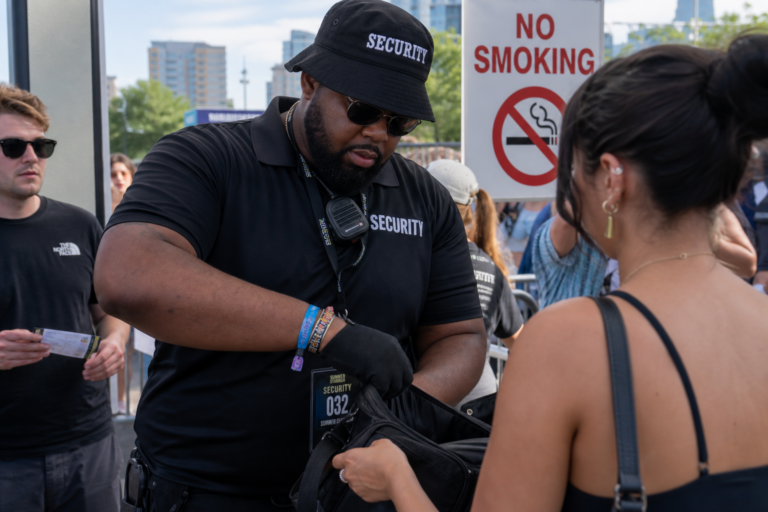
Pull your quart-sized liquids bag out and place it in a bin separately. Your vape device itself doesn’t need to come out of your bag (unlike laptops); some agents may may ask to see it. If they do, just hand it over. It’s routine.
The vape will show up on the X-ray as an electronic device with a battery. TSA agents see hundreds of these every day. You’re not going to surprise anyone or get flagged for carrying a legal vape. The only time it becomes an issue is packing it in checked luggage, in which case they’ll pull your bag and you’ll have to move the device to your carry-on.
International security works the same way. The lithium battery rule is consistent with ICAO (International Civil Aviation Organization) regulations worldwide. Carry-on only, everywhere. I have been through security in London, Tokyo, Bangkok, and Sydney, and the process is identical every time. The only difference is how chatty the agents are.
The TSA’s intensified crackdown on vapes, covered in our article on TSA’s recent enforcement efforts, has focused on checked baggage detection rather than carry-on restrictions.
Best Vapes for Travel in 2026
Not all vapes travel equally well. Here’s what I look for in a travel vape, along with the best 2026 picks.
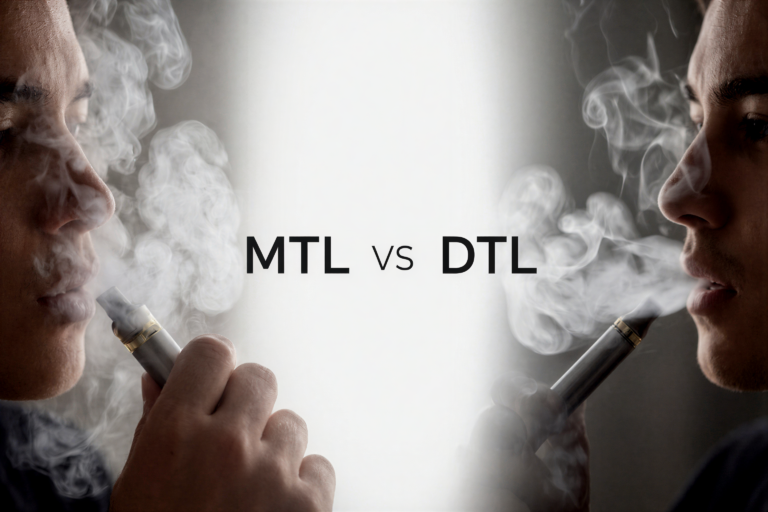
Pre-filled pod systems remain the best travel vapes. They’re compact, they don’t leak because the pods are sealed, and you can detach the pod from the battery for security. The Vaporesso XROS 4 is a top pick for 2026 — it’s compact, has adjustable airflow, and the pods are widely available internationally. The OXVA XLIM Pro 3 offers a bit more battery capacity (1600mAh) and wattage adjustability, making it a strong alternative for vapers who want control without the bulk. The SMOK NOVO 6 with its 1700mAh built-in battery is another excellent travel option — reviewed in our SMOK Novo 6 review — and we’ve also covered pod system basics in our MTL vs DTL guide.
Disposable vapes are convenient for domestic travel while increasingly risky for international trips due to the growing list of countries that ban them. For domestic flights, they work fine. I learned this the hard way flying to London after the UK ban took effect — my sealed Elf Bar got a long look from the customs officer before he waved me through, and I would not count on that leniency again.
Box mods are the toughest to fly with. Tanks leak under pressure changes, the devices are bulky, and removable batteries require separate cases. Travelers who must with a mod, empty the tank, remove the batteries and store them in a case, and keep the device in your carry-on. Our MTL vs DTL vs RDL guide covers inhalation styles deciding what device to bring.
Frequently Asked Questions
Can I put my vape in checked luggage if I remove the battery?
No. The FAA and TSA prohibit all e-cigarettes and vaping devices in checked bags regardless of whether the battery is removable. If only the battery were the concern, empty tanks would be fine in checked luggage — they are not permitted either. The device itself, with or without a battery, must go in your carry-on.
Will my vape leak on a plane?
It depends on the device. Filled tanks almost always leak at least a little due to cabin pressure changes. Disposables may seep e-liquid through the mouthpiece or airflow holes. Pre-filled pod systems with sealed pods are the most leak-resistant option. Put any vape in a zip-top bag to contain the mess if it happens.
What happens if TSA finds a vape in my checked bag?
They will flag your bag for inspection, pull it off the belt, and you’ll have to come to the screening area to remove the vape and put it in your carry-on. In most cases, you won’t lose the device — just time and inconvenience. If it’s a repeat offense or you’re carrying an excessive quantity, you could face a fine. Avoid the hassle entirely by packing your vape in your carry-on from the start.
Can I bring a nicotine-free vape on a plane?
Yes. The TSA and FAA regulations are based on the lithium battery, not the nicotine content. Nicotine-free vapes and zero-nicotine disposables follow the exact same rules: carry-on only, never in checked luggage. However, countries that ban all vaping devices (like Thailand, Singapore, and India) don’t distinguish between nicotine and nicotine-free — the device itself is illegal.
Are the rules different for CBD or THC vapes?
Yes, significantly. While the TSA doesn’t actively search for cannabis products, CBD and THC vapes are subject to state and federal laws. Delta-8 and Delta-9 THC vapes remain federally illegal under the 2018 Farm Bill interpretation, despite some loopholes. Medical marijuana vapes are a gray area even in legal states because federal law applies at airports. For a full breakdown, read our authoritative guide on flying with THC vapes.
Can I vape in the airport?
Not inside the terminal. All US airports prohibit smoking and vaping inside the building. Most airports have designated smoking areas outside the terminal, past security in some cases. In international airports, the rules vary — some have smoking lounges, most don’t. Check the airport’s website for designated smoking areas before you assume you can vape somewhere.
What about vaping on a cruise ship?
Most major cruise lines allow vaping only in designated smoking areas (outdoor decks or casino zones). Vaping in cabins or on balconies is almost universally prohibited and can result in fines or being removed from the ship at the next port. Cruise ships also visit multiple jurisdictions — a vape that’s legal at your departure port may be illegal at a stopover country. Check both the cruise line’s policy and the laws of every country on your itinerary.
Can I bring a vape to Singapore in 2026?
No. Singapore has a total ban on vapes and the penalties increased dramatically as of May 1, 2026 under the new TVCA. Individual possession fines are up to S$10,000. Importers face up to 9 years in prison and S$300,000 in fines. Foreigners risk deportation and re-entry bans. Do not fly to Singapore with a vape.
Can I bring disposable vapes to Japan?
Vape devices and zero-nicotine e-liquid are legal in Japan. However, nicotine e-liquid is classified as a pharmaceutical and its import is restricted. In early 2026, Japanese lawmakers also proposed banning disposable vapes entirely, though the bill is still under debate. Travelers flying to Japan, bring a refillable pod system and make sure any e-liquid you carry is either zero-nicotine or in small quantities that may pass as personal use. There’s no guarantee 50 mg/mL nic salts will make it through customs.
Can I bring a vape to Mexico in 2026?
No. Mexico banned the import, sale, and marketing of all vaping devices effective January 17, 2026. The law covers all ENDS devices, disposables, pods, and e-liquids — nicotine and nicotine-free. Customs fines start at $400 to $500 USD, with potential trafficking charges for multiple devices. This applies at airports, land borders, and cruise ports.
How many disposable vapes can I bring on a plane?
There’s no federal US limit for personal use; individual airlines and destination countries may impose limits. Most UK and EU airlines cap disposables at 15 to 20 devices. For international travel, your destination country’s import limits are more restrictive than any airline policy. For domestic US flights, 5 to 10 disposables for personal use will not draw questions; 50 will.
Are vape batteries allowed in checked luggage?
No. Spare lithium-ion batteries (18650, 21700, 26650, etc.) are strictly prohibited in checked baggage under FAA regulations. They must be carried in your carry-on with terminals protected (tape over the contacts or stored in a plastic battery case). Built-in batteries inside a vape device also mean the device itself belongs in carry-on. This is the single most enforced vape rule in aviation. Our guide on mailing vapes covers the PACT Act implications if you need to ship devices separately.
This article is for informational purposes only. The author and publisher do not provide legal advice. Vape laws and airline policies change frequently. Always verify current regulations with your airline and the embassy or consulate of your destination country before traveling. Air travel with vaping devices involves inherent safety risks, including potential lithium battery fire. The publisher assumes no liability for losses, fines, or legal consequences resulting from reliance on this information.
Related Reading
- Airline Vape Policies Compared — Detailed comparison of vape policies across 20+ major airlines.
- Common Disposable Vape Problems — Troubleshoot vape issues before traveling.


Build your vape knowledge
Read more guides
Find explainers, how-to articles and reference material.
Open guide library →Compare vape products
Check specifications across the product database.
Open product data →Read hands-on reviews
See tested devices and documented trade-offs.
Read review coverage →