

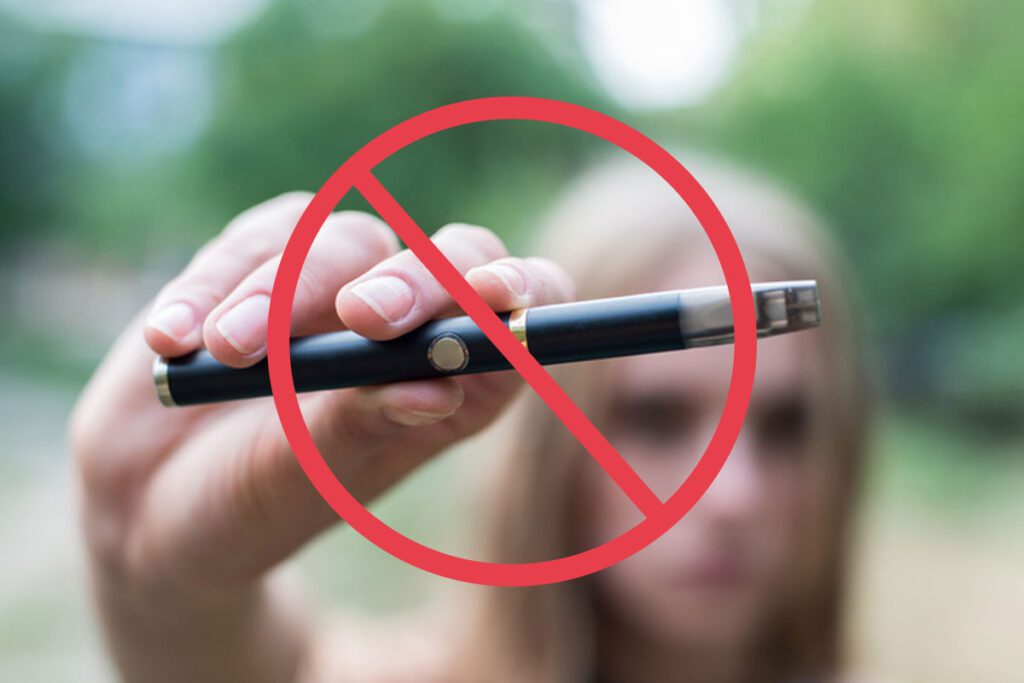
Quitting vaping is possible, and you don’t have to figure it out alone. The research-backed methods that work for quitting smoking also apply to vaping, because both involve the same addiction: nicotine. Medications like varenicline and NRT can double your chances. Text-based support programs help too. The hardest part is the first two weeks. After that, it gets easier.
This guide walks through what the latest evidence says, what your withdrawal timeline looks like, and what tools are actually worth your time.
Why quitting vaping is different from quitting smoking
If you’ve tried to quit vaping and felt like it was harder than you expected, you’re not imagining it. Vape nicotine hits your system fast, and the devices themselves make it easy to use constantly, anywhere, without stepping outside. There’s no cigarette to finish and put out. You can hit a vape 200 times before lunch and not think twice.
The behavioral side is tougher too. Smokers have rituals, lighting up, stepping outside, taking a break. Vapers often don’t. The device is just there, in your pocket, all the time. That makes the habit harder to break because there’s no natural stopping point to replace.
The CDC notes that “quitting vaping is likely similar to quitting smoking because both involve nicotine addiction and quitting may lead to withdrawal symptoms” (CDC, 2024). But the nicotine concentration in some vapes can be higher than what you’d get from cigarettes, which means the dependency can be stronger.
What the research actually says about quitting vaping
Here’s the honest truth: there isn’t a lot of direct research on vaping cessation yet. Most of what we know comes from smoking cessation studies, and researchers are still figuring out how well those methods translate.
That said, a January 2025 Cochrane review, considered the gold standard in evidence-based medicine, pulled together all available studies on vaping cessation. The key findings:
- Text message programs work for young people. The “This Is Quitting” program by Truth Initiative increased quit rates by about 30% in adolescents and young adults. It sends daily automated texts with encouragement and practical advice (Cochrane, 2025).
- Varenicline (Chantix) appears to double quit chances compared to no medication, based on early studies. But larger trials are still needed to confirm this for vaping specifically (PubMed, 2025).
- Cytisine shows some promise but the evidence is still thin.
- Nicotine replacement therapy (patches, gum, lozenges) hasn’t been studied specifically for vaping cessation, but it’s been shown to double quit rates for smoking and the CDC recommends it.
The bottom line: medication and behavioral support together give you the best shot, just like with smoking. The CDC says that “adults who smoke have the best chance of quitting for good when they use medication and counseling together” (CDC, 2024). That logic carries over to vaping.
Medications that can help you quit vaping
The FDA has approved seven medications for smoking cessation. While none are specifically approved for vaping cessation yet, doctors are prescribing them off-label because the nicotine addiction mechanism is the same.
| Medication | How it works | Prescription needed? | Evidence for vaping |
|---|---|---|---|
| Varenicline (Chantix) | Blocks nicotine receptors in the brain, reducing the rewarding effects of nicotine | Yes | Promising. Early studies show it may double quit rates. More research underway. |
| Nicotine patch | Delivers steady low-dose nicotine through the skin | No | Proven for smoking (doubles quit rates). Likely similar for vaping. |
| Nicotine gum | Oral nicotine replacement, use as needed for cravings | No | Proven for smoking. Good for managing sudden cravings. |
| Nicotine lozenge | Dissolves in mouth, similar to gum | No | Proven for smoking. Easy to use discreetly. |
| Nicotine inhaler | Mimics hand-to-mouth action of smoking/vaping | Yes | Proven for smoking. May help with behavioral aspect of vaping. |
| Nasal spray | Fast-acting nasal nicotine delivery | Yes | Proven for smoking. Fastest delivery of all NRTs. |
| Bupropion (Zyban) | Antidepressant that reduces nicotine cravings | Yes | Proven for smoking. Limited data for vaping. |
| Cytisine | Plant-based compound, similar mechanism to varenicline | Varies by country | Early evidence is promising but still limited. |
Talk to your doctor about which option makes sense for you. If you’re vaping high-nicotine products, you may need a combination approach, like a patch for baseline coverage plus gum for breakthrough cravings.
Nicotine withdrawal: what to expect and when
Knowing what’s coming makes it easier to push through. Here’s a rough timeline of what most people experience:
| Time since last vape | What’s happening | Common symptoms |
|---|---|---|
| 1-4 hours | Nicotine starts leaving your system | Mild cravings, restlessness |
| 24 hours | Nicotine levels drop significantly | Irritability, anxiety, strong cravings |
| 2-3 days | Peak withdrawal | Headaches, trouble concentrating, mood swings, increased appetite, trouble sleeping |
| 1 week | Physical symptoms start improving | Cravings still strong but less frequent, sleep may still be disrupted |
| 2 weeks | Most physical symptoms have faded | Situational cravings (triggered by habits, not withdrawal) |
| 1 month | Brain nicotine receptors begin normalizing | Fewer cravings, better mood, improved focus |
| 3 months | Substantial recovery | Occasional cravings, easily managed |
The physical part is short. It’s the psychological cravings that stick around, and they usually get triggered by specific situations rather than hitting you out of nowhere. We’ll cover how to handle those below.
Building your quit plan
You wouldn’t run a race without training. Same thing here. A quit plan gives you structure when your brain is too foggy to think straight.
- Pick a quit date. Choose a day within the next two weeks. Not a high-stress day. Not the day before a big presentation. A regular Tuesday works fine.
- Tell people. Tell friends, family, coworkers. Accountability matters, and you’ll need their patience when you’re irritable.
- Stock up on tools before you start. Get your NRT, gum, toothpicks, whatever you’re going to use. Don’t wait until you’re desperate.
- Identify your triggers. When do you vape most? After meals? While driving? When you’re stressed? Write them down. Knowing your triggers is half the battle.
- Plan your replacements. For every trigger, have a specific alternative. Stressed? Take a 5-minute walk. Bored? Keep a puzzle app on your phone. After meals? Chew gum immediately.
- Set up your environment. Get rid of your devices, pods, chargers. All of them. The one you keep “just in case” is the one you’ll use at 2 AM when a craving hits.
- Download a quit app or sign up for text support. Having something on your phone that tracks your progress and offers encouragement can make a real difference.
You can build a personalized plan at Smokefree.gov. It’s free and walks you through each step.
Text-based and digital tools that actually work
This is one of the most promising areas in vaping cessation research right now.
This Is Quitting by Truth Initiative is the only text-based program with solid evidence behind it. The Cochrane review found it increased quit rates by about 30% among young adults. You text DITCHVAPE to 88709, and it sends you daily messages with tips, encouragement, and interactive exercises. It’s free, and it works whether you’re 16 or 30 (Truth Initiative).
SmokefreeTXT from the National Cancer Institute is another free option. Text QUIT to 47848, or sign up at teen.smokefree.gov if you’re under 18.
quitSTART app is a free CDC-backed app that helps you track cravings, monitor your progress, and earn badges for milestones. It’s available for both iOS and Android.
Managing cravings and triggers
Cravings usually last 3 to 5 minutes. That’s it. The trick is getting through those minutes without caving. Here’s what works:
- The 4D method. Delay (wait 5 minutes), Deep breathe (4 seconds in, hold 4, out 4), Drink water, Do something else. Simple, but it works.
- Change your environment. If you always vape at your desk, get up and walk somewhere else. Physical movement disrupts the craving cycle.
- Exercise. Even a brisk 10-minute walk reduces cravings. Your brain releases endorphins that partially mimic the dopamine hit from nicotine.
- Nicotine gum or lozenge. Keep one in your pocket. When a craving hits, use it instead of reaching for a vape.
- Chew regular gum or toothpicks. Sometimes it’s the oral fixation, not the nicotine. Give your mouth something to do.
- Avoid alcohol early on. Alcohol lowers your inhibitions and makes cravings harder to resist. Give it at least two weeks.
If you’re vaping too much nicotine and trying to cut down before quitting completely, stepping down your nicotine strength gradually can help ease the transition. But set a firm end date. Tapering without a deadline tends to stretch out indefinitely.
What to do if you relapse
Most people who quit nicotine try multiple times before it sticks. A relapse isn’t failure. It’s data.
When you slip up, ask yourself what happened. Were you drinking? Stressed? Around someone who was vaping? Bored? That information helps you adjust your plan so it doesn’t happen again the same way.
The critical thing is what you do next. One puff doesn’t erase your progress. Vaping once doesn’t mean you’re back to where you started. Get rid of whatever you bought, tell someone you slipped, and recommit. Don’t let shame turn one mistake into a full relapse.
Your body after quitting: a recovery timeline
| Time | What changes |
|---|---|
| 20 minutes | Heart rate drops to normal |
| 12 hours | Carbon monoxide levels in your blood return to normal |
| 2-12 weeks | Circulation improves, lung function increases |
| 1-9 months | Coughing and shortness of breath decrease. Cilia regrow in lungs. |
| 1 year | Risk of heart disease is cut in half compared to a smoker’s |
For vapers specifically, you may notice improvements faster since you’re not dealing with tar and carbon monoxide from combustion. Your lungs start clearing out within days. Your sense of taste and smell come back. Your energy picks up. And the money you’re not spending on pods adds up fast.
Free resources for quitting vaping
- 1-800-QUIT-NOW (1-800-784-8669): Free quitline with trained coaches. Available in English, Spanish, Mandarin, Korean, and Vietnamese.
- This Is Quitting: Text DITCHVAPE to 88709. Free, evidence-based text support.
- SmokefreeTXT: Text QUIT to 47848. Free support from the National Cancer Institute.
- Smokefree.gov: Free quit plan builder, tools, and tips at smokefree.gov.
- quitSTART app: Free mobile app for tracking progress and managing cravings.
- Your doctor: Can prescribe varenicline, bupropion, or NRT. Don’t skip this step. Medication doubles your chances.
Frequently asked questions
How long does it take to quit vaping?
Physical withdrawal peaks within 2-3 days and mostly resolves within 2-4 weeks. Psychological cravings can come and go for months, but they get weaker and less frequent over time. Most people who quit successfully say the first two weeks are the hardest, and after a month they feel significantly better.
Can I quit vaping cold turkey?
Some people do. But research consistently shows that using medication (NRT or varenicline) doubles your chances compared to going it alone. There’s no prize for suffering more than necessary.
Is vaping harder to quit than smoking?
In some ways, yes. Vaping delivers nicotine efficiently, and the devices are easy to use anywhere, anytime. There’s no natural break point like finishing a cigarette. The behavioral habit can feel more constant. But the nicotine addiction mechanism is the same, so the same treatments work.
Does nicotine replacement therapy work for vaping?
NRT hasn’t been studied specifically for vaping cessation yet, but it’s been proven to double quit rates for smoking, and the CDC recommends it. Since the addiction mechanism is the same (nicotine), it’s a reasonable approach. Talk to your doctor about dosing, especially if you were using high-nicotine pods.
What are the worst days when quitting vaping?
Days 2 and 3. That’s when withdrawal symptoms peak. You might feel irritable, anxious, headachy, and unable to focus. Remind yourself that it’s temporary and it means your body is recovering. By day 5 or 6, most people start to feel noticeably better.
Should I switch to zero-nicotine vapes first?
Stepping down your nicotine strength can help ease withdrawal, but zero-nicotine products still involve the hand-to-mouth habit, which keeps the behavioral addiction alive. If you go this route, set a firm quit date for the zero-nicotine device too. Don’t let it become a permanent crutch.
Can vaping cause permanent damage?
Prolonged vaping can cause real harm to your cardiovascular and respiratory systems. EVALI, the lung injury linked to some vaping products (particularly those containing THC or vitamin E acetate), can be severe and sometimes permanent. The CDC has documented over 2,800 hospitalizations and 68 deaths from EVALI. Quitting gives your body the best chance to recover.
What if I’m pregnant or breastfeeding?
Nicotine is harmful during pregnancy and passes into breast milk. If you’re pregnant, talk to your doctor about safe cessation methods. If you’re breastfeeding, the CDC and AAP recommend quitting entirely but say breastfeeding is still better than not breastfeeding even if you can’t quit right away.


Build your vape knowledge
Read more guides
Find explainers, how-to articles and reference material.
Open guide library →Compare vape products
Check specifications across the product database.
Open product data →Read hands-on reviews
See tested devices and documented trade-offs.
Read review coverage →