

Former ATF Deputy: Chinese Manufacturers Exploit 6-Methyl Nicotine Loophole in US Vape Market
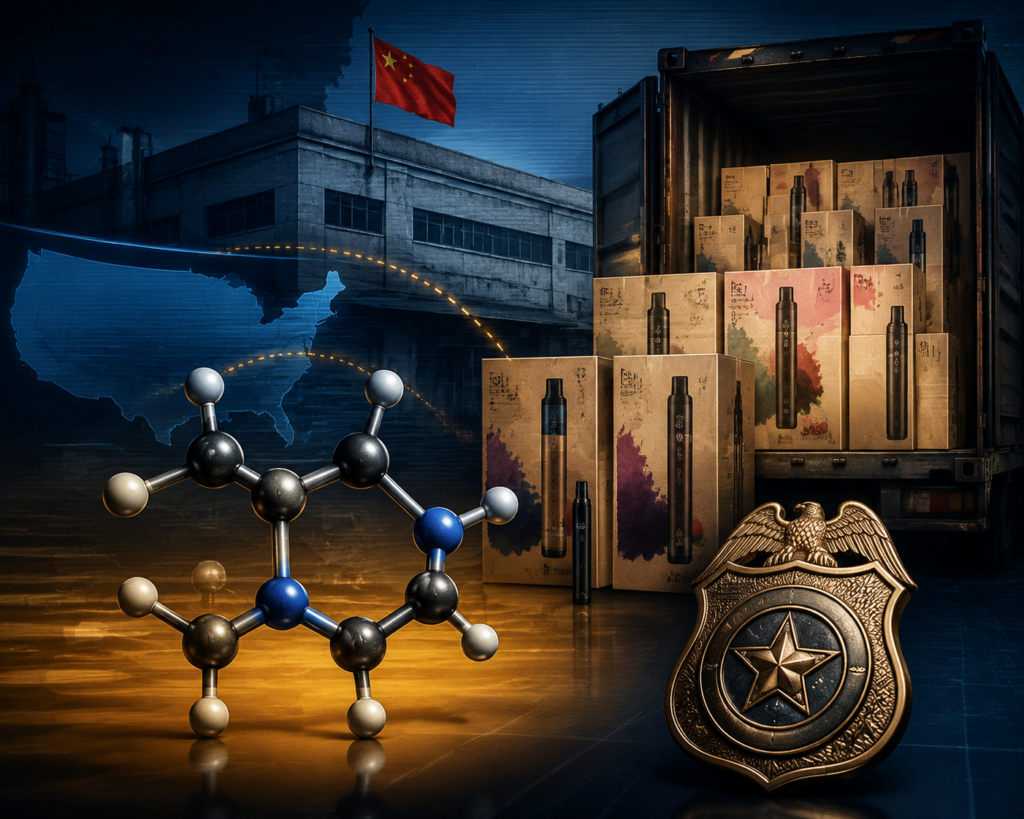
Chinese vape manufacturers are sidestepping US regulations by replacing nicotine with 6-methyl nicotine (6MN, also known as NIX), a synthetic analog that falls outside the FDA’s current enforcement authority, former Bureau of Alcohol, Tobacco, Firearms and Explosives Deputy Director Edgar Domenech told Fox News Digital on July 13, 2026. The products mimic popular flavored disposable vapes in branding, packaging, and taste while using the unregulated nicotine substitute to avoid FDA oversight.
How the 6-Methyl Nicotine Loophole Works
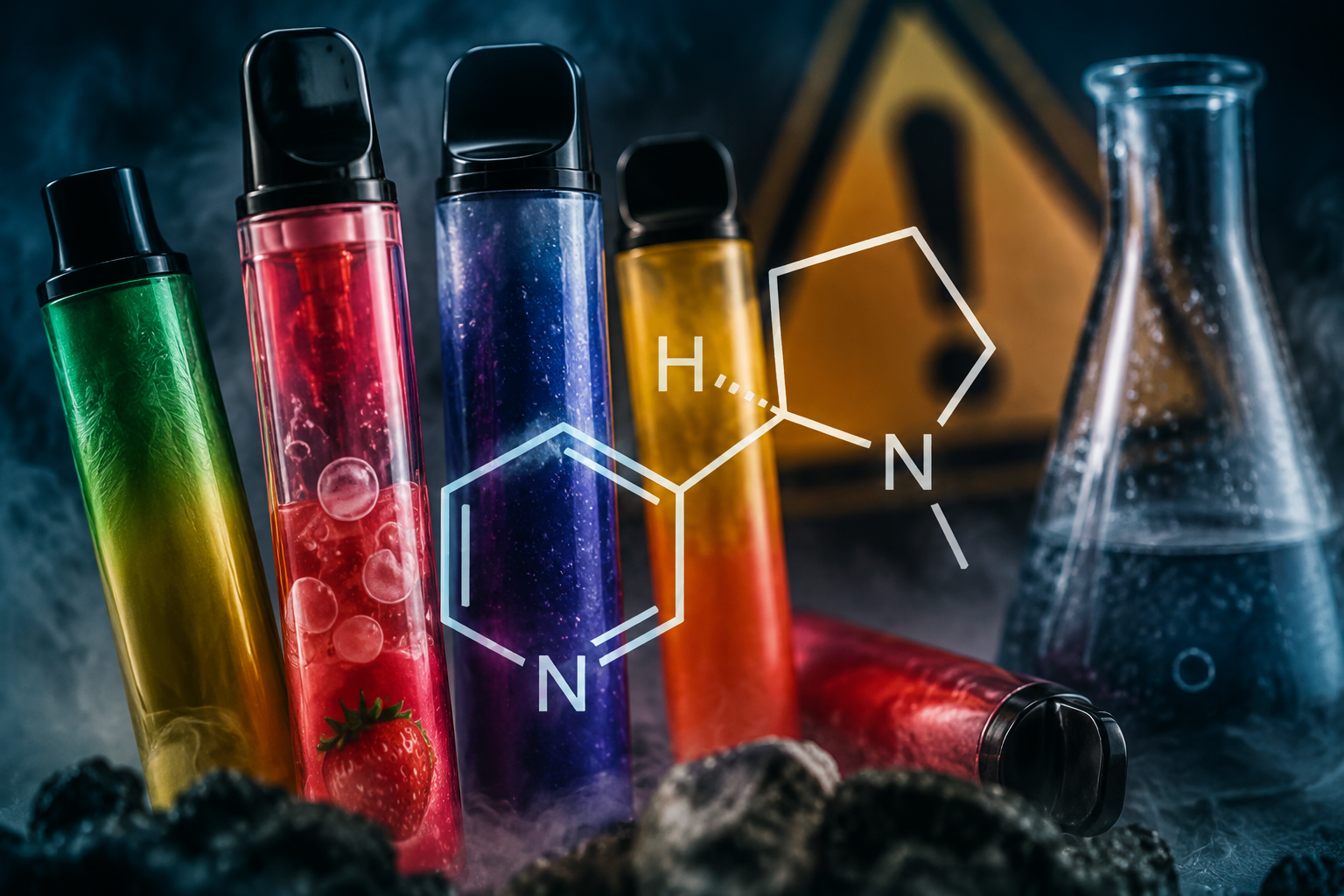
6-methyl nicotine (6MN) is a synthetic nicotine analog not found in tobacco plants. Manufacturers claim it falls outside the Food and Drug Administration’s regulatory authority because the agency’s tobacco product jurisdiction under the Family Smoking Prevention and Tobacco Control Act covers products “made or derived from tobacco.” Since 6MN is synthesized from non-tobacco precursors, some manufacturers argue it is not a “tobacco product” subject to FDA premarket review, according to Tobacco Reporter.
Domenech described the substance as an “unknown variable” with limited research on its health effects, addictiveness, and long-term safety profile. The products use similar branding, packaging, and flavors as regulated nicotine vapes while substituting ingredients to avoid existing oversight, creating enforcement challenges for regulators and law enforcement across multiple jurisdictions.
The loophole mirrors earlier regulatory gaps with synthetic nicotine. Congress closed the synthetic nicotine loophole in 2022 by explicitly defining “tobacco product” to include any nicotine product regardless of source, but 6MN may not be classified as nicotine under current law, leaving it in a regulatory gray area.
Consumers who purchase flavored disposable vapes labeled as containing 6MN or NIX are buying products that have not undergone FDA safety review, premarket tobacco application (PMTA) evaluation, or any standardized testing for toxicity, addiction potential, or chemical stability. There is no data on what happens when 6MN is heated and aerosolized, or what byproducts may form during use.
These products are primarily marketed through online channels and retail stores that already sell flavored disposable vapes. The branding deliberately mirrors popular US and European disposable brands, making it difficult for consumers to distinguish regulated products from unregulated 6MN alternatives.
For US vapers, the immediate risk is unknowingly purchasing an unregulated product with unknown health effects. For businesses, selling 6MN products could carry legal liability if the FDA or state regulators later determine the substance falls under their enforcement authority.
Domenech called for stronger enforcement, clearer regulatory guidance from the FDA, and greater awareness among lawmakers, schools, and consumers. He argued that illicit operators are deliberately targeting youth through flavored disposable products and exploiting legal gaps to maintain access to the market, similar to earlier patterns seen with delta-8 THC and other analog substances.
Fox News Digital reported that the FDA has not issued a public statement on 6-methyl nicotine as of publication. The agency previously took the position that synthetic nicotine analogs may be subject to FDA regulation as drugs or drug delivery devices under the Federal Food, Drug, and Cosmetic Act, but no formal enforcement action against 6MN products has been announced.
The situation parallels broader enforcement challenges the US faces with unregulated nicotine products. The US Vape Seize and Destroy Law 2026 gives federal authorities tools to crack down on illicit vape products at the border, but 6MN’s legal ambiguity may complicate those efforts.
- Check labels carefully. If a disposable vape lists “6-methyl nicotine,” “6MN,” or “NIX” as an ingredient, it is not an FDA-reviewed product. Treat it with the same caution as any unregulated substance.
- Stick to known brands. Purchase from reputable retailers who can demonstrate their products have gone through PMTA or are from manufacturers with FDA marketing orders. The difference between tobacco-derived and synthetic nicotine matters — and this goes a step further into untested analogs.
- Report suspicious products. Consumers can file a report with the FDA’s Center for Tobacco Products if they encounter products that appear to bypass tobacco regulations.
- Watch for FDA guidance. The agency may issue new enforcement guidance on 6MN. Following CTP newsroom announcements is the best way to stay current.




Follow the wider vape market
Read the latest vape news
Track regulation, launches and industry updates.
Open vape news →Browse product data
Move from market news to device specifications.
Open product data →Check product reviews
Read independent testing and comparison reports.
Read review coverage →