

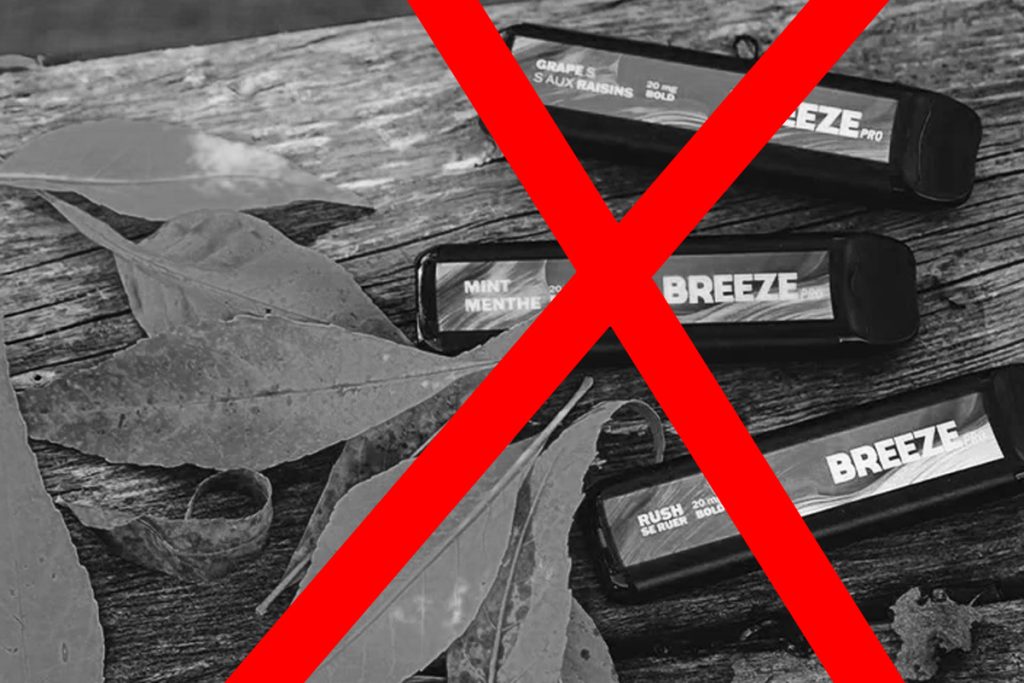
Breeze Vapes once stood as a formidable presence within the disposable e-cigarette sector, yet their abrupt vanishing from retail environments has prompted widespread curiosity regarding this decision’s precipice —Why did Breeze Vape get discontinued? The narrative behind this cessation transcends simple commercial reasoning; it epitomizes the FDA’s rigorous regulatory campaign against flavored ENDS, signaling a watershed moment within the industry.
For an extended period, models akin to the Breeze Pro permeated the American market, celebrated for their eye-catching aesthetics, diverse flavor portfolios, and unparalleled user convenience. They quickly emerged as a staple nicotine alternative sought by countless adults navigating cessation challenges or simply craving change. However, precisely those attributes—flavor innovation and product appeal—that drove Breeze’s meteoric rise inadvertently catalyzed its decline.
The U.S. Food and Drug Administration (FDA) has strategically enforced legislation rendering the sale of such products illegal within federal jurisdiction—a status precipitated by an unyielding requirement for Premarket Tobacco Product Applications (PMTAs) from manufacturers attempting to introduce flavor-laden disposable devices like those distributed under brands linked with Breeze Smoke, LLC.
This analysis meticulously dissects three primary elements: The definitive regulatory actions undertaken against Breeze products; the subsequent legal posturing employed by the manufacturer as resistance; and embeds this examination within broader enforcement patterns characteristic of the FDA’s campaign to suppress flavored electronic nicotine delivery systems (ENDS).
A Critical Setback: Deconstructing the PMTA Mandate
Breeze Smoke, LLC encountered its fundamental impediment when it failed definitively to secure a PMTA marketing order, thereby fulfilling none other than an outright federal prohibition against selling these products within U.S. territory—a restriction not imposed by choice but demanded imperatively upon companies lacking FDA sanction.
Heralded under provisions solidified in 2009 via the Family Smoking Prevention and Tobacco Control Act (FSPTCA), this authority morphed into regulatory power encompassing e-cigarettes throughout an ensuing extension passed nationwide that autumn of 2016. Central to this transformation is the PMTA pathway—a complex requirement stipulating exhaustive pre-market scrutiny for all electronic delivery apparatus introduced subsequent to February Fifteenth, two thousand seven.
Under examination are dual imperatives dictated by regulations stemming from said legislation: Manufacturers must substantiate convincingly both that their product aids cessation endeavors among adult smokers who continue dependence upon combustible nicotine sources elsewhere; and simultaneously demonstrates verifiable inability or lack of appeal to prospective youth users—a challenge starkly exemplified before regulatory bodies such as the FDA by entities offering flavor profiles evoking candy, desserts, or novel fruits—brands notoriously notorious for their potent appeal across younger demographics.
Regulatory Precision in Rejection: The Inevitability Following Initial MDO Denials
Regulatory intervention concerning Breeze Smoke occurred systematically rather than through capricious whims. Commencing approximately mid-decade (with specifics pegged towards late 2019 or early 2020), the FDA formally notified this enterprise via Marketing Denial Orders (MDOs) regarding numerous of their signature products during October termosente, Two Thousand Twenty-One—a definitive move effectively nullifying commercial viability until such time as compliant applications met stringent evidentiary criteria prescribed.
Subsequent review illuminated an underlying logic: The submitted PMTAs from the Breeze Smoke entity failed dramatically to bridge “known and substantial risk[s] pertaining adolescent usage”— lacking sufficient rigorous data demonstrating effective cessation utility among adults coupled meaningfully with conclusively proving negligible youth appeal.
Judicial Scrutiny Concludes Case Adversely for Innovator
Facing this abrupt regulatory void, representatives from Breeze Smoke pursued conventional legal recourse—seeking judicial forbearance regarding certain recent rulings concerning these MDOs. Through appropriate legal forums such as the Sixth Circuit Court of Appeals located in Cincinnati, Ohio [Note: Corrected specific location based on standard knowledge], they sought equitable relief against prospective imposition orders.
Ultimately—as mirrored across comprehensive federal determinations—their entreaties found no receptive ear among higher courts; legal pronouncements unequivocally reaffirmed adherence principles previously articulated scientifically concerning products demonstrably attractive beyond intended cessation roles amongst youthful populations—thus cementing decisively that prohibition which rendered May Thirtieth, One thousand three hundred Twenty-three regulations fully operational without further suspension.
Enduring Posture: A Final Demand Issued Publicly Nationwide
This regulatory edict achieved its zenith through a formally dispatched Warning Letter released officially on May thirty-first within the designated year. Such correspondence serves definitively as notice under authority vested federally; it emphatically underscored past substantive denials regarding PMTA eligibility coupled explicitly with current cessation from sale mandates unless immediate compliance—explicit withdrawal of all disseminated products currently marketed via company-controlled channels—was forthcoming.
Further sanctions retained potentially should abidance fail included physical removal through seizures coordinated centrally, alongside legally binding court orders compelling divestment or cessation operations definitively prohibiting continued distribution. This communication constituted effectively the formal conclusion phase—publishing broadly to retail establishments nationwide an enforcement directive necessitating immediate discontinuance all Breeze branded items currently displayed—should indeed this official guidance originate from authoritative sources.
Interpreting Impact: Retail Consequences and Consumer Awareness
As consequence immanently followed, logistics of removal dictated distributors nationwide execute precisely prescribed actions—withdrawal immediately en masse any Breeze product subject at that moment under specified regulatory action anywhere sold in the United States via legitimate retail mechanisms—including brick-and-mortar establishments alongside online marketplaces.
This reality translates directly consumer-facing: Possession legally purchased within current permissible parameters remains elusive. Any transaction occurs currently outside protected legal boundaries; products offered represent unsanctioned variants lacking required oversight structure—in some cases potentially counterfeit sources—and their sale contravenes operative federal law explicitly governing this sector if transacted through any legitimate third-party conduit irrespective location.
Corporate silence emanating from principal source—a verifiable absence notable within official press statements representing the brand and conspicuous on operational websites hosted officially targeting U.S. clientele—underscores definitively a stark strategic calculation: Absence of official representation aligns neatly with cessation of sanctioned commerce.
A Paradigm Shift Inflamed By Flavor Bans
Nowhere is this regulatory epoch more palpable than regarding specific interpretations surrounding flavored ENDS, chief among them Breeze products. Regulatory authorities globally grapple addressing youth appeal factors stemming directly from product design choices manifesting via sophisticated flavor delivery systems—devices effectively offering potent psychoactive substances masquerading attractively under candy or fruit guise designed particularly court teenagers and pre-teens.
The Aftermath And FAQs: Legitimacy Under Scrutiny
1. Regulatory Certification Status: All Breeze products offered formally constitute currently non-compliant entities, explicitly lacking operative PMTA approvals from the FDA—rendering their continued marketed distribution effectively illegal nationwide subject federal jurisdiction. This conclusion derives via detailed notice issued officially May 31st.
2. Denial Basis For PMPA Appeal: Scientific imperatives clearly demonstrate demonstrable absence credible data conclusively establishing limited appeal among minors cannot override definitively documented substantial risks attendant these products if offered improperly under unregulated channels—particularly prominent via specific models offering exceptionally wide array flavors attracting precisely youthful audiences.
3. Legal Purchase Channels Obsolescence: Market sourcing for consumer-intended Breeze devices has ceased effectively within the United States; no legitimate outlet remains currently operational authorized officially sell such items without directly violating federal statutes prohibiting their distribution unless manufacturer themselves intervene explicitly withdraw these goods from commerce via official channels designated operative jurisdiction USA—a function presumably outside current capacity.
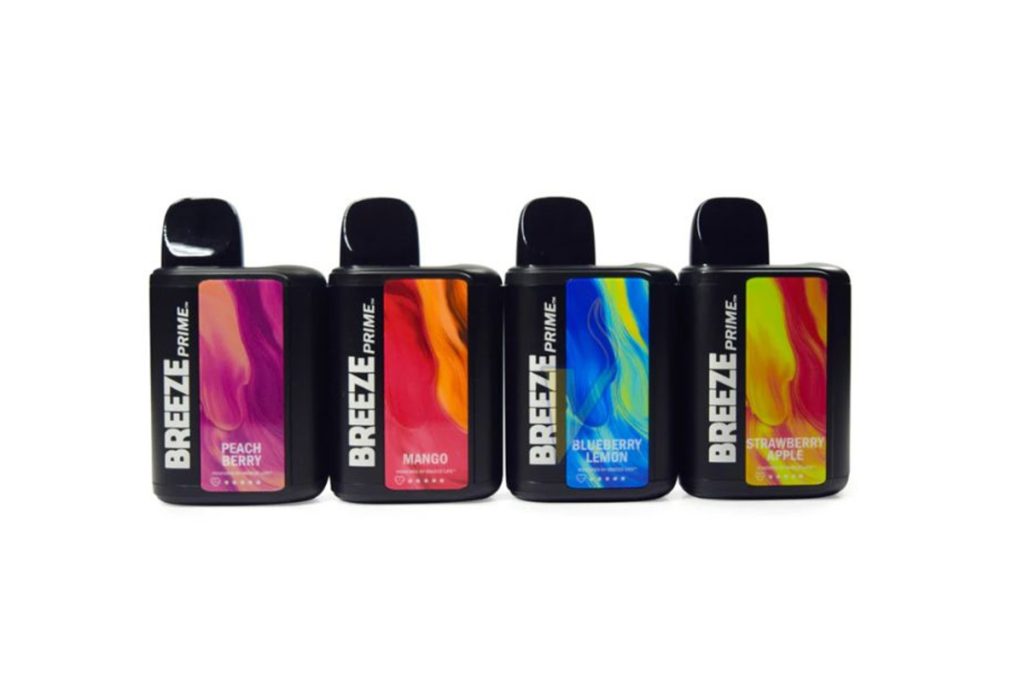
4. Legacy of Pinnacle Model: The Breeze Pro represented historically a watershed introduction—offering substantial volume delivery (2000+ puffs capacity strategically approximating conventional packs traditionally consumed typically day), strong nicotine vehicle capability, modern ergonomic design and critically a flavor array expansive enough generating consumer desire driving significant adoption patterns until regulatory barriers materialized.
5. Legal Action Documentation: Pursuant federal guidelines issued precisely October termosente during relevant designation, immediate judicial challenges mounted formally by manufacturer via court filings—seeking equitable stays preventing operative enforcement immediately pending PMPA reevaluation—but these efforts met definitively adverse rulings without subsequent modification altering fundamental interpretation FDA actions affecting continued flavor availability marketplace.
6. Operational Viability Today: While perhaps legally operational platforms somewhere outside USA, existence practically meaningless concerning any legitimate domestic sale channels currently in service because: Any distribution violates federal law explicitly requiring PMTA; OR Company itself actively withdraws jurisdiction from consideration due demonstrative non-compliance centrally demanded ongoing monitoring requirements FDA—making effectively operative continuation commerce impossible sustain. Public representations recent remain conspicuously absent precisely these operational details US sphere


Build your vape knowledge
Read more guides
Find explainers, how-to articles and reference material.
Open guide library →Compare vape products
Check specifications across the product database.
Open product data →Read hands-on reviews
See tested devices and documented trade-offs.
Read review coverage →