

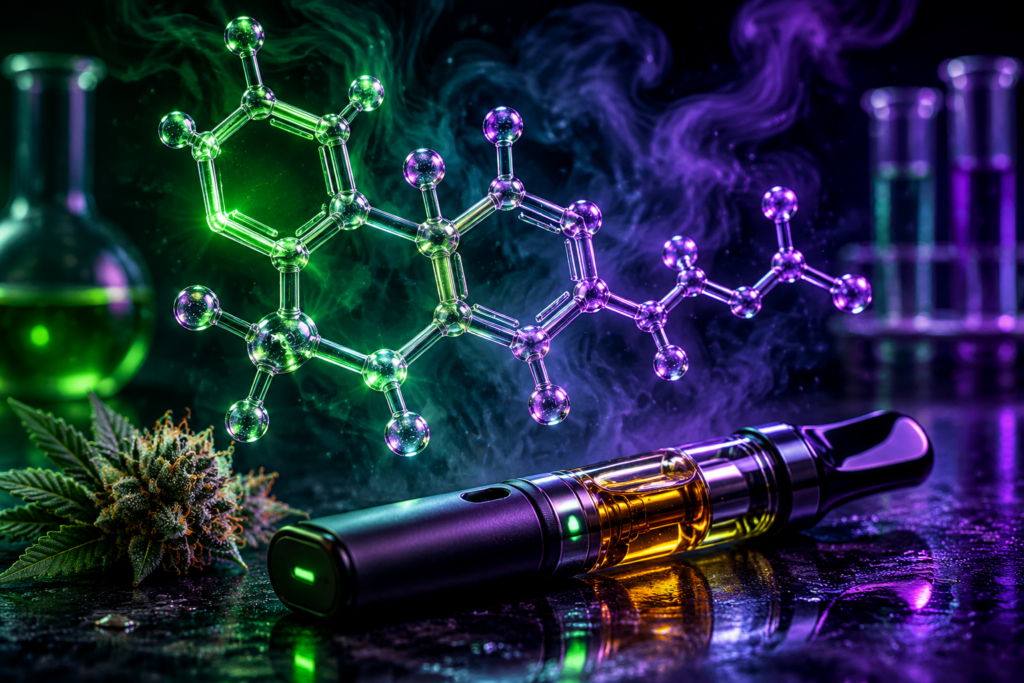
What Is THCA? Understanding the Non-Psychoactive Precursor
THCA (tetrahydrocannabinolic acid) is the non-psychoactive precursor to Delta-9 THC found naturally in raw cannabis and hemp plants. Think of it as THC in waiting — it won’t get you high on its own, but the moment you apply heat (like the coil in a vape pen), decarboxylation kicks in and converts THCA into active Delta-9 THC.
This chemistry loophole is exactly what makes THCA disposable vapes so popular in 2026. The 2018 Farm Bill defines legal hemp by its Delta-9 THC content (must be under 0.3% by dry weight), but it doesn’t count THCA in that limit — meaning products with 50–90%+ THCA can be legally sold as “hemp,” as long as their pre-heating Delta-9 stays under the 0.3% threshold.
The practical takeaway: when you vape a THCA disposable, you’re getting a full Delta-9 THC experience from a product that technically qualifies as hemp under current federal law. For a deeper dive into the extraction methods behind premium concentrates, check out our complete guide to live resin vapes.
THCA vs. Delta-9 THC: The Critical Difference
| Property | THCA | Delta-9 THC |
|---|---|---|
| Psychoactive? | ❌ No (raw form) | ✅ Yes |
| Heating required? | ✅ Converts to Delta-9 when heated above ~220°F | ❌ Already active |
| Federal limit (hemp) | No specific limit (currently) | ≤ 0.3% by dry weight |
| Typical concentration in disposables | 50–93%+ | Effectively 0.3% or less |
THCA vs. Live Resin vs. Distillate vs. Live Rosin
If you’re shopping for a THCA vape, you’ll encounter four main types of extract. Each offers a different balance of potency, flavor, and price. This quick-reference table covers the essentials — for the full breakdown of live resin extraction, see our dedicated live resin guide.
| Dimension | Distillate | Live Resin | Live Rosin |
|---|---|---|---|
| Extraction method | Solvent + multiple distillation passes | Flash-frozen, low-temp solvent (butane/propane) | Flash-frozen, heat + pressure (no solvents) |
| Terpene retention | Low (re-added after distillation) | High (2–5× standard extracts) | Highest |
| THC content range | 85–95% | 50–80% | 50–75% |
| Flavor profile | Flat (relies on added terpenes) | Rich, strain-specific | Purest expression |
| Price range (per gram) | US$10–35 | US$35–70 | US$50–90 |
| Best for | Budget daily use | Flavor seekers | Highest quality |
The short version: Distillate is the cheapest and most potent but sacrifices flavor. Live resin preserves the strain’s natural terpene profile for a noticeably better taste. Live rosin goes a step further by eliminating solvents entirely. Most THCA disposable vapes on the market in 2026 use live resin or live rosin, because the target audience values flavor over raw potency numbers.
THCA Disposable Vapes: What to Look For
Not all THCA disposables are created equal. Here’s what matters most when choosing one:
1. Third-Party Lab Results (COA)
A Certificate of Analysis from an ISO-accredited lab (like SC Labs or Eurofins) should be publicly available and include potency (THCA, Delta-9, total cannabinoids), terpene profile, and contaminant screening (pesticides, heavy metals, solvents, mold). If a brand hides their COA or makes you request it, consider that a red flag. Our counterfeit vape identification guide covers how to verify product authenticity.
2. Extract Quality
Live resin disposables from reputable brands will list the starting material (whole flower, trim, or biomass). Whole-flower live resin preserves the most plant compounds. The THCA percentage alone doesn’t tell the whole story — a 53% THCA live resin with a rich terpene profile can deliver a more satisfying experience than an 80% distillate.
3. Hardware Quality
Look for ceramic coil heating elements (better flavor, more even decarboxylation), adjustable airflow on higher-end models, and battery capacity that matches the oil volume. A 1g cart with a 280mAh battery may require more frequent charging than a 1g all-in-one with 350mAh+.
4. Ingredient Transparency
The best products have short ingredient lists. At minimum: THCA-rich extract + naturally derived terpenes. Avoid disposables that add artificial thinning agents like vitamin E acetate or PEG 400, which have been linked to lung health concerns.
5. Price per Gram
THCA disposables currently range from roughly US$35 to US$70 per gram. If you’re on a budget, consider alternatives like the Geek THCX GT6000 (6g / US$34.99) — though note this uses CB9A+THCP rather than THCA, so the experience differs. For a broader look at the shifting landscape, read our analysis of how disposables and Delta compounds are changing the vape market.
Notable THCA Disposable Brands (2026)
| Brand | Product Type | Size | Price | Highlight |
|---|---|---|---|---|
| TribeTokes | THCA Disposable | 1g | ~US$50 | 93%+ THCA, only 2 ingredients, public COA |
| Secret Nature | Live Resin Disposable | 1g | ~US$49 | Whole-flower live resin, 53%+ THCA, 77% total cannabinoids |
| Binoid | Live Rosin Disposable | 1–7g | US$35–70 | Solventless; largest size range on the market |
| Exhale Wellness | Liquid Diamonds Disposable | 2–3g | US$50–65 | THCA liquid diamonds + Delta-8 blend |
| BudPop | THCA Disposable | 1g | ~US$40 | Entry-level price, beginner-friendly |
It’s worth noting that none of these brands currently hold FDA premarket authorization for their THCA products. The only disposable vape with a granted FDA PMTA is the Geek Bar Pulse X — and that’s a nicotine device. For a broader perspective on where the industry is heading, see our piece on the shift from disposables to rechargeable pod systems.
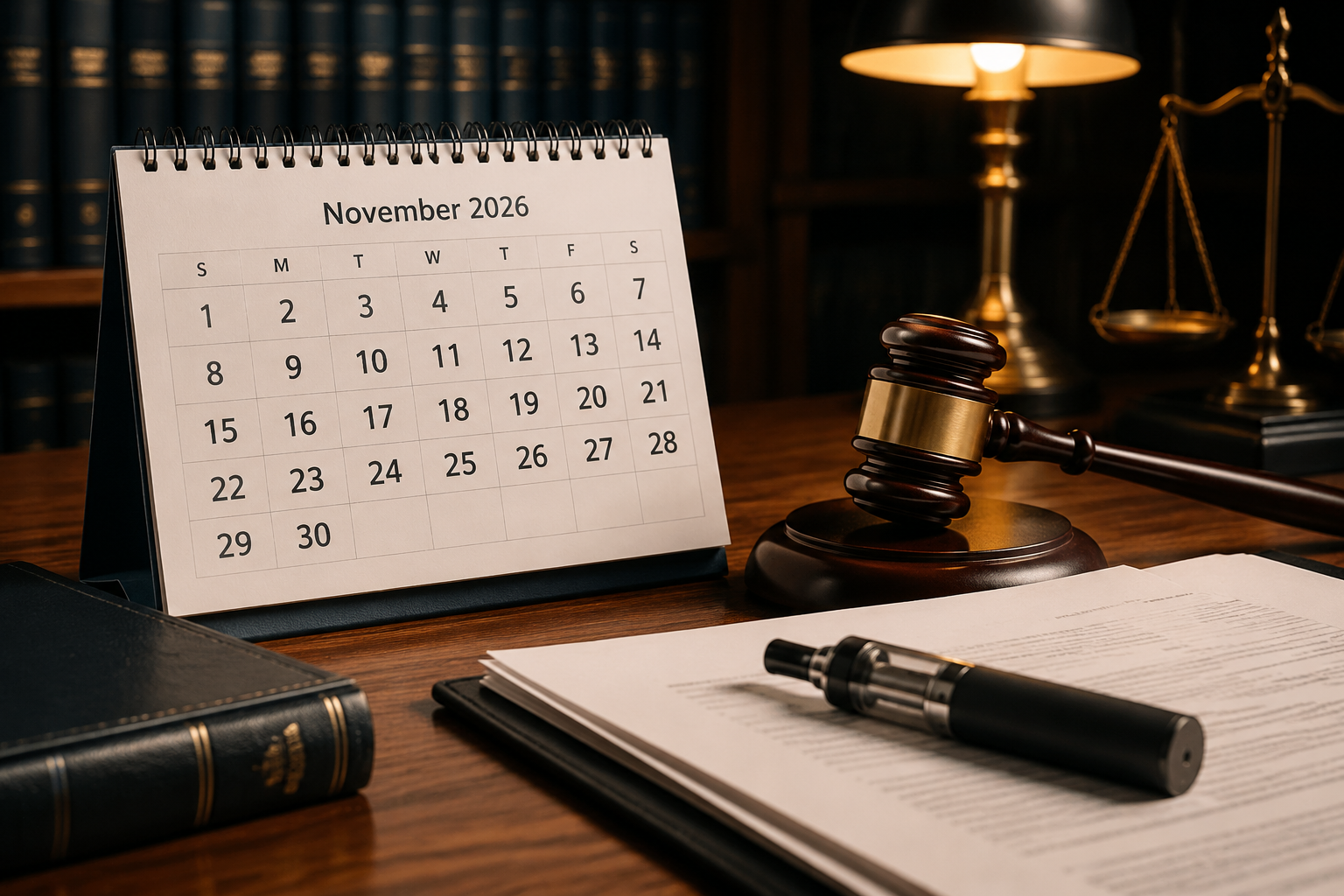
Legal Status 2026: The November 12 Deadline
⚠️ This is the most important section of this guide. If you buy or sell THCA products, the information below affects you directly.
Current Status (Before November 12, 2026)
As of mid-2026, THCA products remain federally legal under the 2018 Farm Bill’s definition of hemp — which measures only Delta-9 THC content (≤ 0.3% by dry weight). This is why THCA disposables, flower, and concentrates can be sold openly online and in many smoke shops across the country. For a full overview of the current regulatory landscape, see our THC vape laws guide.
What Changes on November 12, 2026
Section 781 of the Agricultural Improvement Act of 2026 takes effect on November 12, 2026. This provision rewrites the federal definition of hemp from “Delta-9 THC ≤ 0.3%” to “total THC ≤ 0.3%” — and total THC includes THCA.
The practical effect: most THCA products on the market today (which contain 50–93%+ THCA) will no longer meet the federal definition of hemp. They will become Schedule I controlled substances under the Controlled Substances Act, just like cannabis-derived Delta-9 THC.
VapeObservation has extensive coverage of these legal developments. Read our analysis of THCA vape pen legal status and the federal THC ban that upended Texas hemp markets.
State-Level Developments
Several states haven’t waited for the federal change. Texas’s Department of State Health Services (DSHS) began requiring total THC testing on March 31, 2026 — effectively banning THCA products in the state months before the federal deadline. For specific coverage, see our article on hemp vape legality in Texas.
Other states that have already banned or restricted THCA include Colorado and Florida. Conversely, some states (notably Michigan, California, and Oregon) regulate THCA under their existing adult-use cannabis frameworks, where it remains legal for recreational purchasers.
What This Means for Consumers
- Before Nov 12, 2026: THCA disposables remain widely available online and in stores in most states. This is a buying window, not a permanent state of affairs.
- After Nov 12, 2026: Expect shipping restrictions, store pullbacks, and potential enforcement actions. Products may shift to alternative cannabinoid blends (CB9A, THCP, HHC) that comply with the new total THC limit.
- Stockpiling advice: If you rely on THCA for therapeutic or recreational use, consider purchasing before November. THCA concentrates store well in cool, dark conditions.
Disclaimer: This article does not constitute legal advice. Cannabis and hemp laws vary significantly by jurisdiction. Always consult local regulations and a qualified attorney before purchasing, possessing, or transporting THCA products.
Safety & Third-Party Testing
The THCA market in 2026 is unregulated at the federal level — no FDA oversight, no mandatory testing, no quality standards. That makes your own due diligence essential.
What to Verify on a COA
A proper Certificate of Analysis from a third-party lab (like SC Labs, Kaycha, or Eurofins) should tell you:
- Potency: THCA, Delta-9 THC, Delta-8 THC, THCV, and total cannabinoids
- Terpenes: Full terpene profile (not just “contains terpenes”)
- Pesticides: Screen for at least 60+ common pesticides
- Heavy metals: Lead, mercury, arsenic, cadmium
- Residual solvents: Important for live resin products that use butane or propane extraction
- Microbials: Mold, yeast, E. coli, salmonella
- Mycotoxins: Aflatoxins and ochratoxin A
Brands like TribeTokes, Secret Nature, and Binoid publish their COAs publicly on their product pages with QR codes on packaging. That’s the transparency standard you should look for. If a brand won’t show you the lab results, there’s usually a reason. For more on spotting fakes and unsafe products, check out our comprehensive counterfeit vape identification guide.
Red Flags to Watch For
- ❌ No COA available or “COA available upon request”
- ❌ COA is from the manufacturer’s own lab (conflict of interest)
- ❌ COA is more than 6 months old or reuses the same COA for different batches
- ❌ Ingredients list includes vitamin E acetate, medium-chain triglycerides, or PEG 400
- ❌ Price seems too good to be true (sub-US$25 THCA disposables are almost certainly adulterated)
Frequently Asked Questions (FAQ)
Will THCA show up on a drug test?
Yes. Standard urine drug tests detect THC-COOH, a metabolite produced when the body processes Delta-9 THC. Since THCA converts to Delta-9 when heated (and to some extent in the body), using THCA products will produce positive results on standard drug screenings. Do not assume that THCA’s “hemp” legal status protects you from workplace testing.
Is THCA the same as Delta-8?
No. Delta-8 THC is a different cannabinoid with its own psychoactive profile (roughly 50–60% the potency of Delta-9) that occurs in trace amounts naturally and is typically synthesized from CBD. THCA is an acid precursor that converts to Delta-9 THC when heated. The effects of vaporized THCA closely resemble traditional Delta-9 THC, while Delta-8 produces a milder, more clear-headed experience. Both currently exist in legal gray areas under the 2018 Farm Bill — and both are affected by the November 2026 total THC rule change.
Can I travel with a THCA disposable vape?
Not recommended. TSA’s official policy defers to local law enforcement, and THCA’s legal status varies wildly between states. Even if your departure and destination states allow THCA, connecting flights or layovers could land you in a jurisdiction where it’s illegal. Federal law after November 12, 2026, will almost certainly classify THCA products as controlled substances, making interstate travel with them a federal offense. If you must fly, our guide on bringing a THC vape on a plane has the details — though the risks apply equally to THCA devices.
How long does a 1g THCA disposable last?
For a moderate user (3–5 draws per session, 2–3 sessions per day), a 1g THCA disposable typically lasts 5 to 10 days. Heavy users may go through it in 2–4 days. Factors that affect longevity: puff duration, voltage settings (if adjustable), and the THCA concentration (higher potency = fewer draws needed for desired effects). A 2g or 3g device like Exhale Wellness’s Liquid Diamonds offers much better value per milligram for frequent users.
What happens to unsold THCA products after November 12?
This is an open question that the industry is still working through. Likely scenarios include: (1) brands reformulating with compliant cannabinoids like CB9A, THCP, or HHC that don’t convert to Delta-9; (2) a rush of discount sales in October and early November as retailers clear inventory; (3) some businesses switching to a traditional cannabis license model where available; and (4) gray-market sellers continuing operations with increased enforcement risk. For updates as the deadline approaches, follow our THC vape laws guide.
Final Thoughts
THCA disposable vapes represent one of the most accessible entry points to legal (for now) Delta-9 THC effects. The technology has matured rapidly — ceramic coils, live resin extracts, and transparent lab testing have turned these into legitimate premium products, not gray-market compromises.
But the November 12, 2026, deadline hangs over everything. If you value having access to THCA products, the coming months are your window. After that date, the market will fundamentally change — possibly for the better (clearer regulation, safer products) but almost certainly for the less convenient (fewer retailers, higher prices, restricted shipping).
For now, the smartest move is to buy from transparent brands with public COAs, understand your state’s specific laws (read our Texas coverage for a case study in state-level changes), and keep an eye on federal developments. The landscape will look very different in six months.
Related Reading on VapeObservation
- What Is a Live Resin Vape? Complete Guide (2026)
- THCA Flower Explained: Benefits, Legality, and Where to Buy
- THC Vape Laws: Federal Changes, State Rules & Delta-8 Ban (2026)
- THC-A Vape Pen Legal Status: What You Need to Know in 2026
- How Disposable Vapes and Delta Are Changing the Vape Market
Last updated: June 10, 2026. Laws and product availability change rapidly. Check your local regulations and the manufacturer’s latest COA before purchasing.


Build your vape knowledge
Read more guides
Find explainers, how-to articles and reference material.
Open guide library →Compare vape products
Check specifications across the product database.
Open product data →Read hands-on reviews
See tested devices and documented trade-offs.
Read review coverage →