

How to Open a Vape Shop in 2026: Costs, Licenses & Profit Margins
If you’re reading this, you’ve probably thought about opening a vape shop more than once. Maybe you’re a vaper yourself and you see the demand firsthand. Maybe you’ve noticed how many shops have popped up in your area and thought, “I could do that better.” Or maybe you’re looking at the numbers and wondering if the opportunity is real.
I get it. The vape industry is one of those spaces where the numbers look tempting but the regulatory landscape makes you nervous. Both reactions are valid. Let’s walk through what it actually takes to open a vape shop in 2026, with real costs, real regulations, and real profit expectations.
Is Opening a Vape Shop Still Worth It in 2026?

Let’s start with the question everyone asks. The short answer: yes, but it’s not the gold rush it was five years ago. The longer answer involves looking at where the market stands right now.
The global e-cigarette and vape market hit roughly $28 billion in 2023, and projections put it on a 30.6% compound annual growth rate through 2030 (per Grand View Research). In the US specifically, the vape market was $10.5 billion in 2023. Vape shop sales alone accounted for $3.2 billion that year, growing about 15% year over year. These are not small numbers.
Here’s the thing though: regulation is tightening everywhere. The FDA has been cracking down on unauthorized products. The PACT Act changed how vape products can be shipped. Individual states are piling on taxes and licensing requirements. The UK banned single-use disposables starting June 2025, and Australia made vapes prescription only in 2024.
So is it worth it? That depends on your execution. The demand is there. About 6.1% of US adults vape, which is roughly 14.1 million people. Disposable vapes alone account for 55% of US sales volume. People want these products. The question is whether you can navigate the compliance requirements and operate efficiently enough to turn a profit.
Here’s a quick look at the upside and downside:
| Pros | Cons |
|---|---|
| High gross margins (50-70%) | Heavy and evolving regulation |
| Growing customer base (14.1M US adults) | Restricted advertising channels |
| Relatively low startup cost ($25K-$60K) | Product liability concerns |
| Recurring revenue from e-liquid sales | State-by-state compliance complexity |
| Strong community/loyalty potential | Age verification enforcement burden |
| Online sales growing (35% of market) | Flavor bans in some jurisdictions |
If you’re willing to learn the regulatory landscape, stay compliant, and build genuine relationships with your customers, starting a vape shop can still be a solid business. If you’re looking for a quick buck with minimal effort, you’ll get burned.
Market Research: Know Before You Open

Before you sign a lease or order inventory, you need to understand your local market. This isn’t optional. Too many vape shops fail because the owner liked vaping and assumed that was enough. It’s not.
Assess Competitor Density
Open Google Maps and search “vape shops near me” in your target area. Count them. Look at their reviews, their hours, their product selection. If there are five shops within a two-mile radius, you need a very specific reason to be the sixth. If there’s only one and it has mediocre reviews, that’s an opportunity.
Pay attention to what competitors are missing. Do they carry a limited e-liquid selection? Are their staff clueless about products? Do they ignore online orders? Every gap is a potential opening for your shop.
Understand Your Customer Base
Who vapes in your area? The demographics matter more than you think. A shop near a college campus will have very different inventory needs than one in a suburban strip mall. Look at census data, check local demographic profiles, and think about who your actual customers will be.
Disposable vapes dominate sales right now, accounting for 55% of US volume. If your customer base skews younger and convenience-oriented, that’s your bread and butter. If you’re in an area with experienced vapers, pod systems and box mods with rebuildable atomizers might be what drives foot traffic.
Online vs. Offline: Where’s the Market Going?
Online vape sales made up about 35% of the total US market in 2023, and that number has been climbing. But here’s the nuance: online and offline serve different customer needs. Online shoppers tend to buy replenishment products (e-liquids, coils, disposable vapes) in bulk. In-store shoppers come for advice, to try new flavors, and for immediate needs.
The smartest shops I’ve seen run both channels. Physical store for community and impulse purchases. Online store for loyal customers who want convenience. The PACT Act makes online shipping harder (no USPS for consumer deliveries, strict age verification), but it’s still viable with private carriers and proper compliance.
Identify Gaps in Your Market
Look for underserved niches. Maybe your area has plenty of vape shops but none that carry premium e-liquids. Maybe there’s nobody offering nicotine salt options for transitioning smokers. Maybe the shops near you are all cramped and unwelcoming, and a clean, well-lit store with knowledgeable staff would immediately stand out.
The point is: don’t just copy what everyone else is doing. Find the gap and fill it.
Writing a Vape Shop Business Plan

You need a vape shop business plan. Not because some textbook says so, but because the numbers need to work on paper before you risk real money. If you’re seeking funding, investors and lenders will require one. Even if you’re self-funding, the process of writing it forces you to think through problems before they become expensive mistakes.
What Your Business Plan Must Include
Executive Summary: One page that covers your concept, target market, financial projections, and funding needs. Write this last, after you’ve worked through everything else.
Market Analysis: Document your local market research. Include competitor analysis, demographic data, and your assessment of demand. Use real numbers, not guesses. If you’re projecting $30,000/month in revenue, explain exactly where that comes from.
Financial Projections: This is where most plans fall apart. Use conservative numbers. A typical vape shop generates $20,000 to $39,000 per month in revenue. Your startup costs will run $25,000 to $60,000 for a standard shop. Build your projections on the low end and see if the math still works.
Risk Assessment: What could go wrong? Regulatory changes (flavor bans, tax increases), new competitors, supply chain disruptions, product recalls. For each risk, document your mitigation strategy. This shows lenders you’re thinking realistically, not optimistically.
What Investors Want to See
If you’re pitching to investors, they care about three things: the market opportunity, your competitive advantage, and the path to profitability. They want to see that you understand the regulatory environment (because they’ve read the headlines about FDA crackdowns). They want a clear timeline to breakeven, which for most vape shops is 12 to 18 months. And they want to see that you’ve accounted for the working capital needed to survive until you’re cash flow positive.
One more thing: include your compliance plan. In 2026, any investor who doesn’t ask about your FDA registration, PACT Act compliance, and state licensing strategy isn’t doing their job. Show them you’re ahead of this.
Vape Shop Startup Costs: The Real Numbers
This is the section you came here for. Let’s get specific about vape shop startup costs. These numbers come from cross-referencing data from BusinessDojo and Lightspeed, verified against industry reports for 2024-2025.
| Expense Category | Low End | High End | Notes |
|---|---|---|---|
| Licenses & Permits | $500 | $2,000 | Varies heavily by state and locality |
| Rent Deposit | $2,000 | $15,000 | First + last month, sometimes security deposit |
| Monthly Rent | $2,000 | $10,000 | Location is the biggest variable |
| Renovations/Shopfitting | $5,000 | $20,000 | Depends on condition of space |
| Initial Inventory | $15,000 | $40,000 | 50-100 e-liquid SKUs, 20-40 device models |
| Equipment & Fixtures | $5,000 | $15,000 | Display cases, shelving, lighting |
| Insurance (Annual) | $1,500 | $3,000 | General liability + product liability |
| POS/Tech Systems | $2,000 | $8,000 | Must include age verification capability |
| Marketing (Launch) | $2,000 | $5,000 | Signage, local ads, opening event |
| Staffing (First Months) | $10,000 | $30,000 | 2-3 employees for first 3 months |
| Working Capital | $10,000 | $30,000 | Cushion until cash flow stabilizes |
| Total Startup | $25,000 | $60,000+ | Premium locations can exceed $100K |
What Drives Your Costs Up or Down
Location is the single biggest variable. A 1,200 sq ft space in a suburban strip mall might run you $2,500/month. The same size in a high-traffic urban corridor could be $8,000 or more. That’s a $66,000 annual difference before you’ve sold a single product.
Inventory is your second biggest expense, and it’s where you have the most control. You don’t need 200 e-liquid brands on day one. Start with 50 to 100 SKUs covering the most popular flavor profiles and nicotine strengths. Add more based on what actually sells. Your initial inventory investment should be $15,000 to $40,000, with e-liquids making up about 40 to 50% of that.
Renovations can swing wildly depending on the space. If you’re taking over a former retail space that just needs a fresh coat of paint and some display cases, you might spend $5,000. If you’re starting from a raw commercial space, $20,000 is more realistic.
Working Capital: Don’t Skip This
This is the number that kills most new vape shops. You need working capital to cover rent, payroll, and inventory replenishment during the months before your revenue stabilizes. Budget $10,000 to $30,000 for this. If you open with zero cushion, one bad month can put you out of business.
When Will You Break Even?
Most vape shops reach breakeven in 12 to 18 months. That assumes you’re running lean, your location is decent, and you haven’t overspent on buildout. The shops that take longer usually have one of two problems: too much rent or too much inventory that isn’t moving.
Profit Margins: What You Can Actually Expect
Let’s talk vape shop profit margins, because this is where the business gets interesting.
| Metric | Range | Details |
|---|---|---|
| Gross Margin | 50-70% | E-liquids: 60-80%, Hardware: 30-50% |
| Net Profit Margin | 7-20% | For established shops (2+ years) |
| Average Annual Revenue | $300,000-$500,000 | Per shop location |
| Monthly Revenue | $20,000-$39,000 | Typical range |
| Annual Profit | $60,000-$120,000 | After all expenses |
| Operating Margin (Year 3) | 25-35% | Once established and efficient |
The key insight: e-liquids are where you make your money. They represent 40 to 50% of your inventory investment but generate over 60% of your gross profit. Hardware has lower margins (30 to 50%) but drives foot traffic. Disposables and pod systems sit somewhere in between. Check vape pricing data to understand your local market rates.
Hardware markup can range from 50% to 200% depending on the product and your supplier relationships. The trick is not to overstock on hardware. Carry enough variety to serve your customers, but don’t tie up capital in devices that move slowly.
Licenses, Permits, and Regulatory Compliance
This is the section that separates people who are serious about opening a vape shop from people who are daydreaming. The regulatory landscape is complex, it varies by jurisdiction, and it changes frequently. You need to understand it before you invest a single dollar.
Federal Requirements
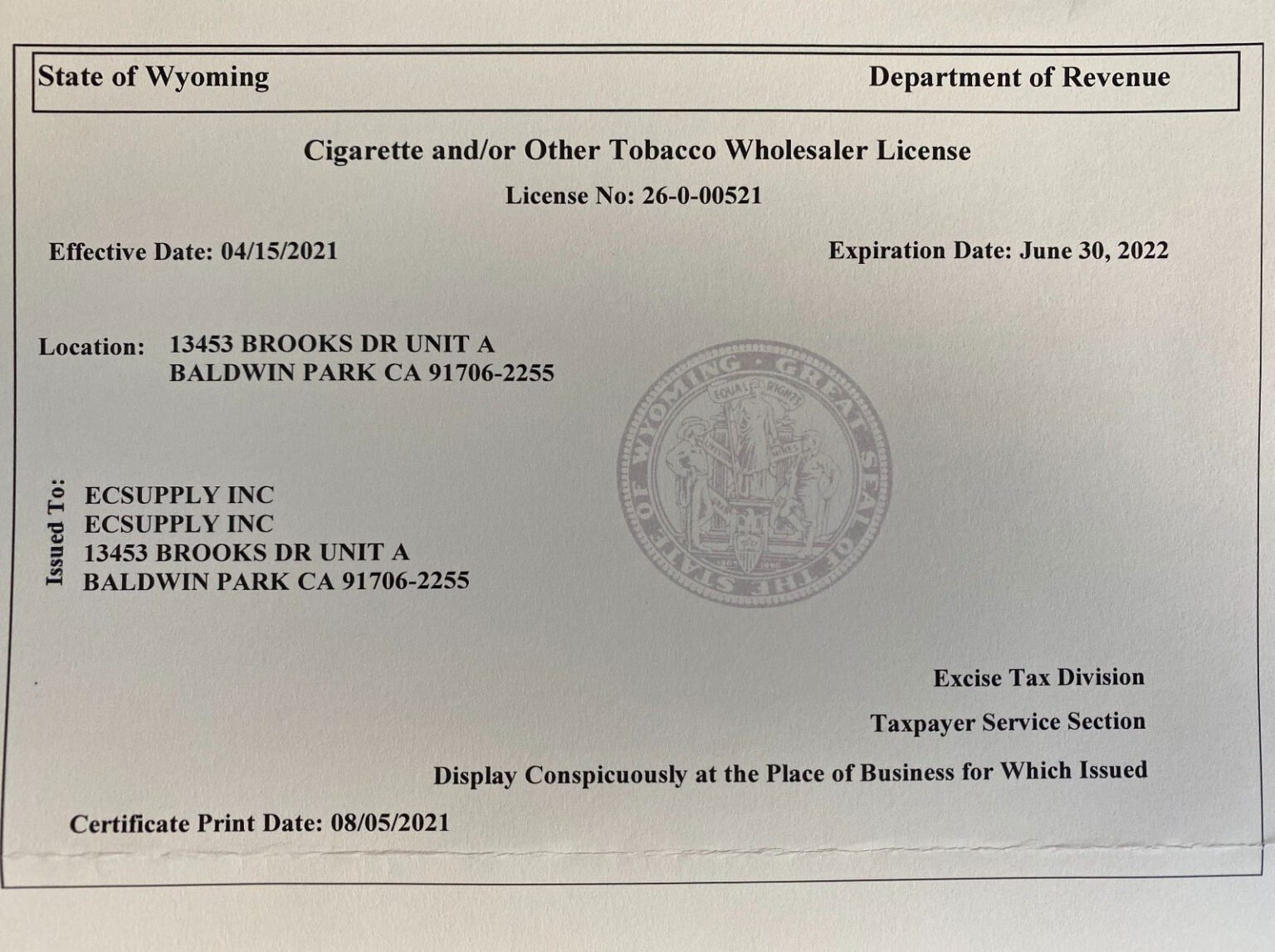
FDA Tobacco Retailer Registration: Every vape shop in the US must register with the FDA as a tobacco retailer. This is non-negotiable. You’re selling products that the FDA classifies as tobacco products, period. Registration is done through the FDA’s portal and must be renewed annually.
PMTA Compliance: The Premarket Tobacco Product Authorization process requires that any vape product sold in the US has either received FDA authorization or has a pending PMTA that hasn’t been denied. As a retailer, you need to verify that the products you carry are compliant. Selling products that have been denied PMTA or never submitted one exposes you to enforcement action. Check the FDA’s e-cigarette information page for current status.
PACT Act (2021 Amendment): The Prevent All Cigarette Trafficking Act was amended in 2021 to include Electronic Nicotine Delivery Systems (ENDS). What this means for you: if you sell vape products online or ship them, you must report sales to the ATF (Bureau of Alcohol, Tobacco, Firearms and Explosives), you must verify age at delivery (adult signature required), and you cannot use USPS to ship vape products to consumers. Private carriers like UPS and FedEx can still be used, but they have their own policies. Read the full details on the ATF’s PACT Act page.
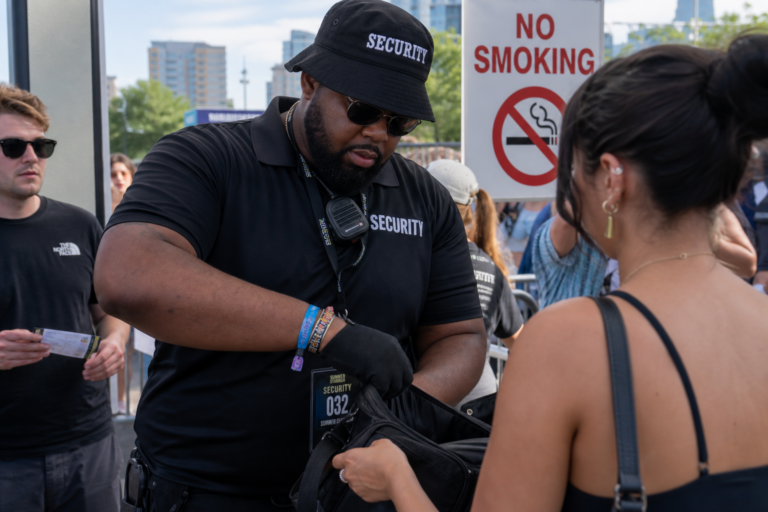
Tobacco 21: Federal law requires buyers to be 21 or older. No exceptions. Your point-of-sale system must enforce this, and your staff must check ID for every customer who looks under 30 (honestly, card everyone under 40 to be safe).
State Requirements
This is where it gets complicated, because every state has different rules. Here’s what you need to figure out for your state:
State Tobacco Retail License: Most states require a specific tobacco retail license. Costs range from $300 to $1,500 per year. Some states require a separate license for vaping products specifically.
Vape Taxes: As of 2024, 37 US states have vape-specific taxes. These vary enormously. Here are some examples:
| State | Tax Rate | Applied To |
|---|---|---|
| California | 56.93% wholesale | All vape products |
| Minnesota | 95% wholesale | All vape products |
| Pennsylvania | 40% wholesale | All vape products |
| Kansas | $0.05/ml e-liquid | E-liquid only |
| Louisiana | $0.05/ml e-liquid | E-liquid only |
| North Carolina | $0.05/ml e-liquid | E-liquid only |
Check your state’s specific tax rate before projecting your margins. A 95% wholesale tax in Minnesota means your product costs nearly double before you even mark it up. You need to factor this into your pricing strategy.
Product Registry Requirements: Several states (Arkansas, Mississippi, Nebraska, Wisconsin) now require vape products to be listed in a state registry before they can be sold legally. If you carry a product that isn’t registered, you could face fines or license suspension. Check your state’s registry requirements before ordering inventory.
Local Requirements
Counties and cities add their own layer. You may need a local business license, a local tobacco permit, a zoning permit, and a sign permit. Local permits typically cost $500 to $2,000 on top of state fees. Some municipalities have additional restrictions on where vape shops can be located (not within 500 or 1,000 feet of schools, for example).
International Regulatory Landscape
If you’re reading this from outside the US, or if you’re thinking about international expansion, pay attention to these developments:
UK: Single-use disposable vapes are banned from 1 June 2025. The UK is also introducing a Vaping Products Duty from October 2026, set at £2.20 per 10ml of e-liquid. See the official UK disposable vape ban announcement and Vaping Products Duty guidance for details.
Australia: Vapes were reclassified as Schedule 4 (prescription only) in 2024. You cannot legally sell vape products over the counter in Australia without a pharmacy license and a prescription framework. This effectively shut down the retail vape shop model there.
What Happens If You Don’t Comply
Fines can reach tens of thousands of dollars per violation. The FDA has issued warning letters and civil money penalties to retailers selling unauthorized products. State enforcement varies, but most states will suspend or revoke your license for serious violations. Selling to minors can result in criminal charges. The regulatory risk is real and ongoing. Budget time and money for compliance, or don’t open a vape shop.
Choosing the Right Location
Real estate people say location is everything. For vape shops, that’s mostly true, but with some important nuances.
Foot Traffic and Visibility
You want foot traffic, but not all foot traffic is equal. A busy downtown street with lots of pedestrians sounds great until you realize most of them are tourists who won’t become regular customers. What you really want is consistent, local foot traffic from people who live or work nearby and will come back.
Visibility matters too. A shop on a main road with clear signage catches drive-by attention. A shop hidden in the back corner of a strip mall saves on rent but costs you in walk-in customers. Find the balance.
Proximity to Competitors
Counterintuitively, being near competitors isn’t always bad. Clusters of vape shops can create a destination effect, where customers know to go to that area when they need vape supplies. The key is differentiation. If you’re next to three other vape shops, you need to offer something they don’t: better selection, better service, better prices, or better atmosphere.
Zoning Restrictions
Many jurisdictions restrict vape shops from operating within a certain distance of schools, daycare centers, and sometimes churches. Typical buffer zones are 500 to 1,000 feet. Before you fall in love with a location, check the local zoning laws. You don’t want to sign a lease and then discover you can’t get a permit.
Urban vs. Suburban Economics
Urban locations have higher foot traffic and higher rent. Suburban locations have lower rent but depend more on destination traffic (people driving specifically to your shop). Each model works, but your marketing strategy needs to match your location type.
In urban areas, you can rely more on walk-ins and impulse purchases. In suburban areas, you need to invest more in local SEO, Google Business Profile optimization, and community presence so people know you’re there and make the trip.
Lease Negotiation Tips
Negotiate your lease. Seriously. Landlords expect it. Ask for a few months of free rent during buildout. Push for a lower annual increase. Try to get a clause that lets you out of the lease if you can’t obtain the necessary permits (this is specific to vape shops and completely reasonable to request). A good lease can save you thousands in your first year.
Stocking Your Vape Shop: Inventory Strategy

Your inventory is your biggest ongoing expense and your biggest profit driver. Get this right and the rest gets easier. Get it wrong and you’ll have shelves full of products nobody wants.
The Product Mix That Works
Here’s how your inventory investment should break down:
| Product Category | % of Inventory Investment | % of Gross Profit | Markup Range |
|---|---|---|---|
| E-liquids (bottled) | 40-50% | 60%+ | 60-80% |
| Disposable vapes | 20-25% | 15-20% | 40-60% |
| Pod systems | 10-15% | 10-15% | 50-100% |
| Box mods & hardware | 10-15% | 5-10% | 50-200% |
| Coils, accessories | 5-10% | 5-10% | 100-300% |
E-liquids are your profit engine. Stock 50 to 100 SKUs at launch, covering the major flavor categories (fruits, desserts, menthol/tobacco where legal, beverage). Include a range of nicotine strengths from 0mg to 50mg (salts). Your e-liquid wall is what keeps customers coming back.
Disposables and Pod Systems
Disposable vapes account for 55% of US sales volume. You need to carry them, but pay attention to PMTA status. The FDA has been issuing marketing denial orders for many disposable brands. Only stock products that have either received authorization or have pending PMTAs in good standing. The risk of enforcement is real.
Pod systems and vape pen kits are your bridge products for customers transitioning from disposables to something more sustainable. Carry 20 to 40 device models covering beginner to intermediate users.
Finding Wholesale Suppliers
Start with trade shows (like TPE or ECC) where you can meet distributors face to face. Join industry buyer groups and forums. Look for distributors who can provide PMTA documentation for their products. Expect to open accounts with 5 to 10 different suppliers to get the product variety you need.
Most wholesalers require a business license and tax ID to open an account. Minimum orders vary but typically start around $200 to $500 per brand. Your initial inventory order will likely come from 3 to 5 primary suppliers.
Minimum Viable Inventory for Launch
You don’t need to carry everything on day one. Here’s your launch minimum:
- 50 to 100 e-liquid SKUs (focus on top-selling flavors and brands)
- 15 to 25 disposable vape options
- 10 to 20 pod system and device models
- Replacement coils for every device you carry
- Basic accessories (batteries, chargers, drip tips, replacement glass)
Add products based on customer demand, not your personal preferences. Track what sells and what doesn’t. Rotate out slow movers. Your inventory should evolve constantly in the first year.
PMTA Compliance for Your Products
Every product on your shelves should have documented PMTA status. Keep a file (digital or physical) with authorization letters or pending application confirmations for each brand you carry. If the FDA issues a marketing denial order for a product you stock, remove it immediately. The FDA does conduct retail inspections, and being caught with denied products can result in warning letters and fines.
Marketing Your Vape Shop (Within the Rules)

Marketing a vape shop is different from marketing almost any other retail business. The major advertising platforms (Google Ads, Meta/Facebook) have strict policies against tobacco and vaping ads. You can’t just throw money at Facebook and watch customers walk in. You need to work within the rules while finding creative ways to reach people.
What You CAN Do
Local SEO: This is your most important marketing channel. Optimize your Google Business Profile with accurate hours, photos, and product categories. Encourage satisfied customers to leave reviews (Google reviews are gold for local search). Make sure your website has location-specific content so you rank for “vape shop [your city].”
Community Presence: Sponsor local events, participate in community activities, and be visible in your neighborhood. People shop locally when they feel a connection to the business.
Loyalty Programs: A simple punch card (buy 10 bottles, get one free) or a points-based system keeps customers coming back. The cost of a free e-liquid bottle is minimal compared to the lifetime value of a regular customer.
Referral Programs: Give existing customers a discount when they refer a friend. Word of mouth is powerful in the vaping community.
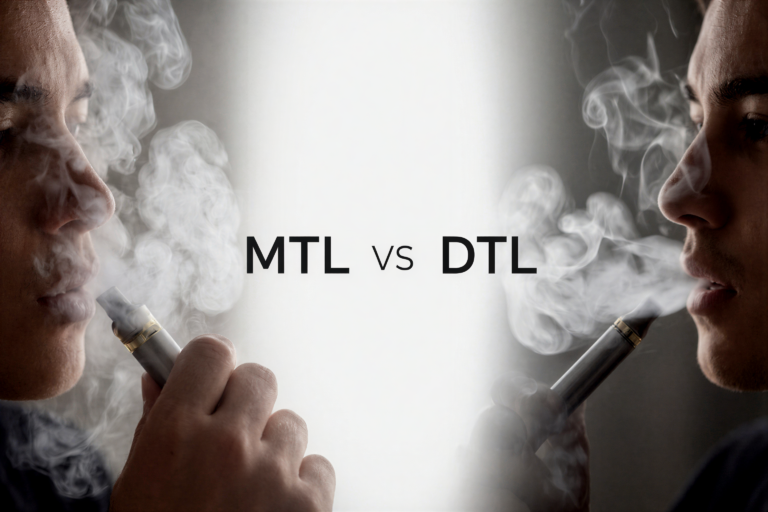
Content Marketing: Write blog posts and create content that answers questions your customers are asking. Guides on how to vape, MTL vs DTL vaping styles, vaping vs smoking comparisons, and product reviews. This builds your site’s SEO authority and brings in organic traffic.
What You CANNOT Do
- Run Google Ads or Facebook/Meta ads for vape products
- Target minors in any marketing material, even indirectly
- Make health claims about vaping (no “safer than smoking” or “quit smoking” language)
- Use cartoons, animated characters, or imagery that appeals to youth
- Make unsubstantiated product claims
The FDA takes marketing violations seriously. A single complaint can trigger an investigation. Stay within the lines.
Social Media Workarounds
You can’t run paid ads, but you can maintain organic social media presence. Instagram and TikTok accounts showing your store, new products (without making claims), and community events are fine as long as you’re not paying to boost them and you’re not targeting minors. Keep it informational and community-focused, not promotional.
Some shops use SMS marketing (text message lists) to notify customers about new arrivals and specials. This works well because it’s direct and doesn’t rely on social media platforms. Just make sure you have explicit opt-in consent from customers before sending anything.
Building a Local Brand
The best vape shops become known for something specific. Maybe you have the widest e-liquid selection in your area. Maybe your staff is the most knowledgeable. Maybe you host monthly vape meetups or coil-building workshops. Find your thing and own it. A distinctive brand makes marketing easier because your customers do it for you through word of mouth.
Staffing, Store Design, and Customer Experience

Your staff and your store environment are what turn first-time visitors into regular customers. This is where independent vape shops have a real advantage over online sellers and gas station displays. Use it.
Hiring the Right People
Average vape shop employee pay in the US is around $13 per hour. That’s not a lot, which means you need to find people who are genuinely passionate about vaping, not just looking for any paycheck. Your best employees are experienced vapers who can talk intelligently about different products, help customers troubleshoot device issues, and enforce age verification without being jerks about it.
For a typical shop, you need 2 to 3 employees covering shifts. Plan to spend $10,000 to $30,000 on staffing for your first few months, depending on how many people you hire and how many hours you’re open.
Training: Products and Regulations
Every employee needs training in two areas: product knowledge and regulatory compliance. Product knowledge means understanding the differences between MTL and DTL vaping, knowing which e-liquid brands are popular and why, being able to recommend the right pod system for a beginner, and troubleshooting common device problems.
Regulatory compliance training is equally important. Every employee must know how to check ID properly (and must do it every time, no exceptions), understand age verification requirements, and know which products cannot be sold (denied PMTA products, for example). One slip-up selling to a minor can cost you your license.
POS System Requirements for Vape Shops
Not any point-of-sale system will work for a vape shop. You need one with specific features:
- Built-in age verification: ID scanner integration that automatically checks and records customer age
- RACS compliance: Retail Acquisition Compliance System integration for product tracking
- Age and quantity restriction settings: Automatic limits on purchase quantities where required by law
- Inventory management for regulated products: Track expiration dates, lot numbers, and PMTA status
- Sales reporting for tax compliance: Generate reports that make state tax filing straightforward
Popular POS options for vape shops include Lightspeed, Celerant, and GrowPos. Expect to spend $2,000 to $8,000 on your POS setup, including hardware and software. This is not the place to cut corners. The right POS protects you from compliance violations and makes your life easier at tax time.
Store Layout and Atmosphere

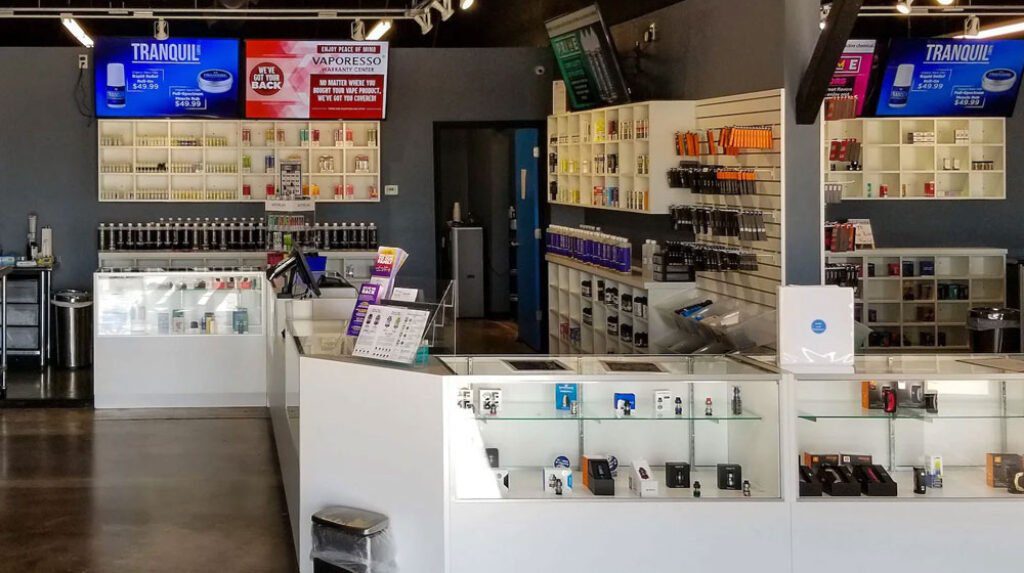
Walk into a few vape shops and notice how they feel. Some are cramped, cluttered, and feel slightly sketchy. Others are clean, well-lit, and professional. Guess which ones are busier?
Your store layout should guide customers naturally. Put your e-liquid wall front and center, since that’s what most people come in for. Keep hardware and accessories in a separate section where staff can help customers one on one. Have a tasting bar or sample station if your local regulations allow it. Make sure the checkout area is near the exit, not blocking the main display area.
Lighting matters more than you’d think. Bright, clean lighting makes your products look appealing and signals that you’re a legitimate business, not a head shop. Good ventilation is also important, both for comfort and because some jurisdictions require it.
Customer Service Policies
Have clear policies posted for returns, exchanges, and warranty claims. Most vape shops don’t accept returns on e-liquids (for hygiene reasons) but will exchange defective hardware within a specified window. Whatever your policies are, be consistent and transparent about them.
Offer after-sales support. Help customers with device setup, coil replacements, and troubleshooting. This is what keeps them coming back instead of switching to online ordering. The shops that thrive are the ones where customers feel taken care of, not just sold to.
Build repeat business through consistency. If you carry a specific e-liquid, keep it in stock. If you say you’ll order something for a customer, follow through. Small things like this are what separate successful shops from the ones that close in six months.
FAQ: Common Questions About Opening a Vape Shop
How much profit does a vape shop make?
An established vape shop (2+ years) typically nets $60,000 to $120,000 per year in profit, on revenue of $300,000 to $500,000. Net profit margins range from 7% to 20%. Shops that reach their third year and optimize operations can see operating margins of 25% to 35%. The biggest factor is usually rent: keep it under 15% of revenue and you’re in good shape.
How long does it take for a vape shop to become profitable?
Most vape shops reach breakeven in 12 to 18 months. That means covering all operating expenses, not just variable costs. Full profitability (where you’ve recouped your initial investment) typically takes 18 to 24 months. The shops that get there fastest are the ones that control rent costs, stock inventory that actually sells, and build a loyal customer base quickly.
What’s the hardest part of opening a vape shop?
Navigating the regulatory environment. It’s not just the federal requirements (FDA registration, PMTA compliance, PACT Act). It’s the state-by-state variation in licensing, taxes, and product restrictions, plus the local requirements on top of that. And the rules change. Something that was compliant last year might not be this year. You need to stay on top of this constantly.
Should I open a physical store or sell online?
Both channels work, but they serve different needs. Physical stores build community, allow customers to try products, and capture impulse purchases. Online stores capture the growing 35% of the market that prefers convenience and bulk purchasing. The PACT Act makes online shipping more complex (no USPS, age verification at delivery), but it’s manageable with the right logistics setup. Many successful shops eventually do both, starting with a physical location and adding an online store once operations are stable.
What’s the most common mistake new vape shop owners make?
Overstocking on inventory that doesn’t sell. New owners often order too many SKUs based on personal preference rather than local demand. Start with a focused selection, track what moves, and expand based on data. Tying up $40,000 in inventory when $20,000 would have been enough is a quick way to run out of working capital.
Do I need a special license to sell vape products?
Yes, multiple licenses in most cases. At minimum, you need FDA tobacco retailer registration (federal), a state tobacco retail license, and likely a local business permit. Some states require a separate vape-specific license. Check vape shop license requirements for your specific state and locality before proceeding. The total cost for licenses and permits typically runs $500 to $2,000.
Can I sell flavored vape products?
This depends entirely on your jurisdiction. Several states and cities have implemented flavor bans that restrict or prohibit the sale of flavored e-liquids. The FDA has also targeted flavored disposable products specifically. Check your local regulations before investing in flavored inventory, as this is one area where the rules are changing rapidly.
How do I find wholesale vape suppliers?
Attend trade shows (TPE, ECC), join industry buyer groups, and search wholesale directories. Most distributors require a business license and tax ID to open an account. Start with 3 to 5 primary suppliers and expand as you learn what products your customers want. Always verify PMTA status before adding a new brand to your shelves. You can also look for wholesale vape deals and vape cost information to understand pricing.
Opening a vape shop in 2026 isn’t simple. The regulations are complex, the startup costs are real, and the competition exists. But the demand is there, the margins are attractive, and with the right approach, it’s absolutely viable. Do your research, write a solid vape shop business plan, stay compliant, and focus on serving your customers well. That’s the formula. Now it’s up to you to execute.


How much does it cost to open a vape shop?
I want to open a vape shop, but I only have $40,000