


If you’re a breastfeeding mother who vapes, you’re probably wondering whether the nicotine and chemicals in e-cigarettes reach your baby through breast milk. The short answer is yes, they do. But the full picture is more nuanced than a simple yes or no, and it depends a lot on how much you vape, what you vape, and what alternatives are available to you.
Here’s what the current research says, what major health organizations recommend, and what practical steps you can take to protect your baby if quitting isn’t something you can do right now.
What happens when you vape while breastfeeding
When you inhale from an e-cigarette, nicotine enters your bloodstream through your lungs and passes into your breast milk. The CDC confirms that “using tobacco or electronic cigarettes (e-cigarettes) while breastfeeding can allow harmful chemicals to pass from the mother to the infant through breast milk or secondhand smoke exposure” (CDC, 2025).
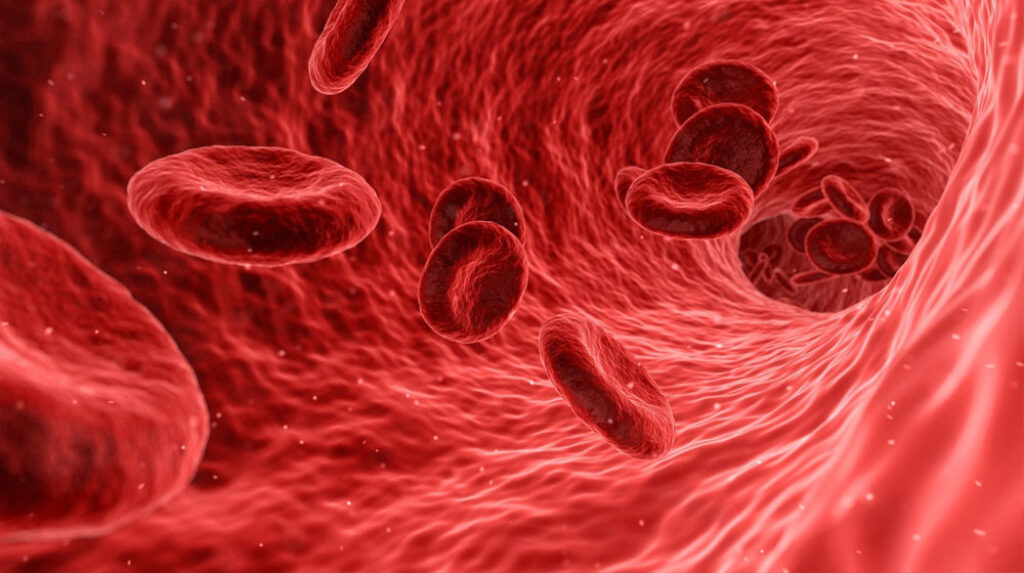
But nicotine isn’t the only concern. E-cigarette aerosol also contains propylene glycol, glycerol, flavorings, and heavy metals like nickel, tin, and lead. A 2024 Johns Hopkins study found unsafe levels of nickel and other metals in e-cigarette aerosols across multiple device types and flavors, with some exceeding regulatory limits (JHU, 2024).
Research on how these specific chemicals affect breast milk is limited. But MotherToBaby, a service of the nonprofit Organization of Teratology Information Specialists, states that “the use of e-cigarettes during breastfeeding has not been studied and is not recommended” (MotherToBaby, 2025).
How much nicotine reaches your baby through breast milk
Here’s what the data tells us:
- Nicotine levels in breast milk peak roughly 10 minutes after you finish vaping.
- The half-life of nicotine in breast milk is about 90 minutes to 2 hours. That means after an hour and a half, about half the nicotine has left your milk (ABM Protocol #21, 2023).
- It takes about 5 half-lives, or roughly 8 to 10 hours, for nicotine to be mostly eliminated from breast milk.
So if you vape right before feeding your baby, they’re getting the highest concentration of nicotine. If you wait 2 to 3 hours after vaping before nursing, the amount of nicotine in your milk will be significantly lower, though not zero.
It’s also that some e-cigarettes deliver more nicotine than regular cigarettes. According to the AAP, a single JUUL pod contains as much nicotine as a pack of 20 traditional cigarettes (HealthyChildren.org). And because e-cigarettes aren’t well regulated, labels can be misleading. Some products advertised as nicotine-free have been found to contain nicotine anyway.
How nicotine in breast milk affects your baby
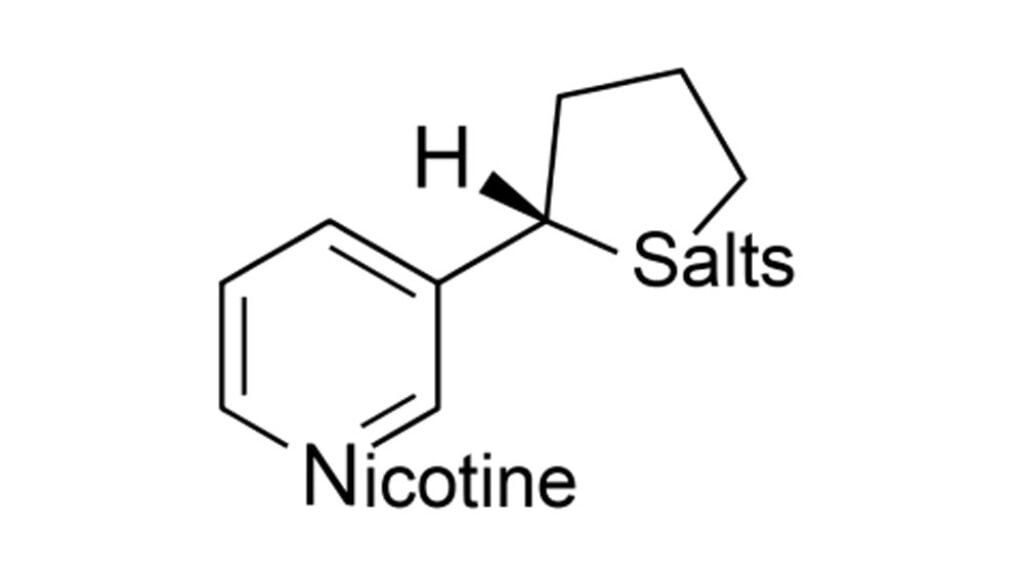
Sleep disruption. Studies have shown that nicotine in breast milk can affect infant sleep patterns. This isn’t just about a fussy night. Disrupted sleep in infants has been linked to blood sugar and thyroid problems that may increase the risk of childhood overweight (AAP HealthyChildren).
Heart rate and blood pressure changes. MotherToBaby notes that “infant heart rate and blood pressure changes have been associated with higher nicotine concentrations in milk” (MotherToBaby, 2025).
Milk supply reduction. Nicotine inhibits prolactin, the hormone responsible for milk production. A 2024 review published in Cureus found that “nicotine, the primary component of tobacco smoke, inhibits prolactin production and the milk ejection reflex, resulting in a decreased milk supply and poor breastfeeding outcomes” (Cureus, 2024). La Leche League Canada adds that smoking may also reduce the fat content of your milk (LLLC, 2024).
Increased risk of colic. One study found that babies exposed to nicotine replacement therapy during pregnancy had the same increased risk of infant colic as babies of mothers who smoked traditional cigarettes, suggesting nicotine itself is the ingredient responsible (Breastfeeding Support, 2025).
SIDS risk. Nicotine exposure through breast milk may increase a baby’s risk of Sudden Infant Death Syndrome, according to LactMed. Sharing a bed with a parent who smokes, even if they don’t smoke in the house, further increases SIDS risk because smoke residue on clothing appears to dull a baby’s natural arousal mechanisms (LLLC, 2024).
What about the other chemicals in e-cigarettes?
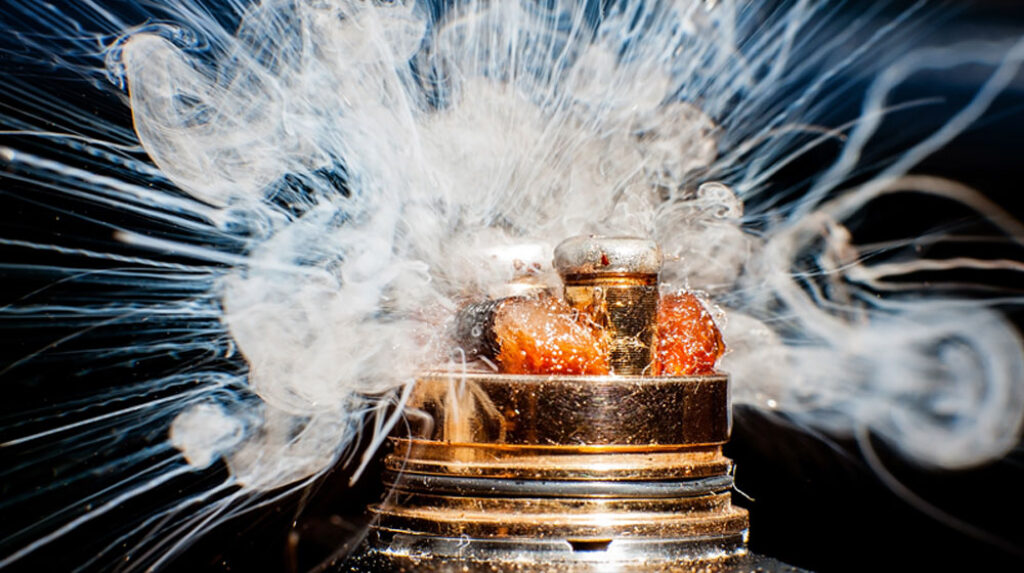
Beyond nicotine, there are real concerns about what else is in vape aerosol:
- Heavy metals. A 2024 Johns Hopkins study detected unsafe levels of nickel, lead, and other metals in e-cigarette aerosols. A 2025 study from the American Chemical Society found metals in disposable e-cigarette vapor as well. These metals are linked to cardiovascular disease, kidney disease, and lung cancer.
- Flavoring chemicals. Diacetyl, a flavoring agent used in some e-liquids, has been linked to obliterative bronchiolitis, a serious and irreversible lung disease. Some flavorings have also been shown to trigger inflammatory responses in white blood cells.
- Volatile organic compounds and carcinogens. The CDC lists formaldehyde, nitrosamines, and propylene glycol among the chemicals found in e-cigarette aerosol. These are known or suspected carcinogens.
- Undeclared ingredients. One Australian study found that 6 out of 10 e-liquids advertised as nicotine-free actually contained nicotine. Some samples also contained 2-chlorophenol, a toxic substance used in insecticides.
We don’t have studies specifically measuring how these chemicals transfer to breast milk or their effects on nursing infants. But the absence of evidence isn’t evidence of safety.
What health organizations say
The major medical organizations are clear on their recommendations, even if their language differs:
| Organization | Position |
|---|---|
| CDC | Mothers who use e-cigarettes “should be encouraged to quit.” If unable to quit, breastfeeding still provides health benefits and remains the recommended food for infants. |
| AAP | Recommends breastfeeding even if the mother continues to use e-cigarettes, but strongly encourages quitting. E-cigarettes are “NOT a safe way to quit smoking.” |
| ACOG | Identifies pregnancy and breastfeeding as “two ideal times to promote tobacco and smoking cessation.” |
| MotherToBaby | E-cigarette use during breastfeeding “has not been studied and is not recommended.” |
| UK NHS | Vaping is “a lot safer than smoking” but “isn’t completely risk free.” Advises using licensed NRT products instead, but if you do vape, “it’s still better to carry on breastfeeding as the benefits will outweigh any potential harm.” |
| NICE (UK) | Prefers intermittent nicotine products (gum, lozenges) over continuous-delivery products (patches) for breastfeeding women, to allow nicotine levels to fall between feeds. |
The consensus: quitting nicotine entirely is the best option. But if you can’t quit, breastfeeding is still better than not breastfeeding.
Practical steps to reduce your baby’s exposure

- Nurse before you vape, not after. Since nicotine peaks in breast milk about 10 minutes after use and drops by half within 90 minutes, feeding first means your baby gets milk with the lowest possible nicotine concentration.
- Wait as long as you can. The longer the gap between vaping and nursing, the less nicotine will be in your milk. Two to three hours is a reasonable target. If your baby wakes to feed during that window, feed them. Don’t withhold milk.
- Vape outside, away from your baby. Secondhand aerosol exposure is a separate risk from what passes through your milk. Make your home and car vape-free zones.
- Wash your hands and change your clothes after vaping. Residue on your skin and clothing can transfer to your baby. This applies to your partner too, if they vape or smoke.
- Don’t share a bed if you vape. Bed-sharing with a vaping or smoking parent increases SIDS risk, even if you don’t vape in the bedroom. Use a separate sleep surface in the same room.
- Reduce your nicotine concentration. Lower-nicotine e-liquids mean less nicotine in your milk. Switching to a lower-strength option can cut your baby’s exposure significantly.
- Consider switching to a licensed NRT product. Nicotine gum, lozenges, and inhalers deliver lower and slower nicotine levels than vaping. NICE specifically recommends intermittent NRT products for breastfeeding mothers because they allow nicotine levels to drop between doses. Thomas Hale, a leading authority on medications and breastfeeding, has found that nicotine patches are “a safer option than continued smoking” for breastfeeding mothers, though the 7 mg patch is preferred over higher-strength versions (Breastfeeding Support, 2025).
Resources for quitting
If you want to quit vaping, you don’t have to figure it out alone:
- 1-800-QUIT-NOW (1-800-784-8669): Free advice, support, and referrals. While focused on tobacco, the counselors can help with e-cigarette dependence too.
- SmokefreeMOM: Text MOM to 222888 for 24/7 support customized to your pregnancy stage and quit goals.
- Your healthcare provider: Talk to your doctor, midwife, or lactation consultant about cessation strategies and whether NRT is appropriate for you.
- NHS Smokefree (UK residents): Free personalized quit plans, online support, and a helpline at nhs.uk/smokefree.
Frequently asked questions
Can I vape zero-nicotine e-liquids while breastfeeding?
Probably not as safe as you’d think. Studies have found that some products labeled nicotine-free actually contain nicotine. And even without nicotine, e-cigarette aerosol still contains propylene glycol, flavoring chemicals, and potentially heavy metals. The risks of these substances passing through breast milk haven’t been studied.
Is vaping safer than smoking while breastfeeding?
Yes, but “safer” doesn’t mean “safe.” Vaping avoids the tar and carbon monoxide found in cigarette smoke, which is a meaningful reduction in harm. But e-cigarettes still deliver nicotine and other chemicals into your breast milk. The AAP and CDC both say that if you’re using e-cigarettes to quit smoking, you should still breastfeed because the benefits of breast milk outweigh the potential harm from vaping.
How long after vaping should I wait to breastfeed?
Aim for at least 2 to 3 hours. Nicotine levels in breast milk drop by about half every 90 minutes to 2 hours. The longer you wait, the less nicotine your baby will receive. But if your baby needs to eat, feed them. Don’t skip a feeding.
Will vaping decrease my milk supply?
It might. Nicotine suppresses prolactin, the hormone that drives milk production. If you notice a drop in supply and you’re vaping, talk to a lactation consultant about strategies to maintain your output.
Should I stop breastfeeding if I can’t quit vaping?
No. Every major medical organization that has addressed this question, including the CDC, AAP, and ACOG, says that breastfeeding is still beneficial even if the mother uses nicotine. Breast milk provides immune protection, nutrients, and other benefits that formula doesn’t replicate. The protective effects of breastfeeding appear to offset some of the risks associated with nicotine exposure.



Build your vape knowledge
Read more guides
Find explainers, how-to articles and reference material.
Open guide library →Compare vape products
Check specifications across the product database.
Open product data →Read hands-on reviews
See tested devices and documented trade-offs.
Read review coverage →