

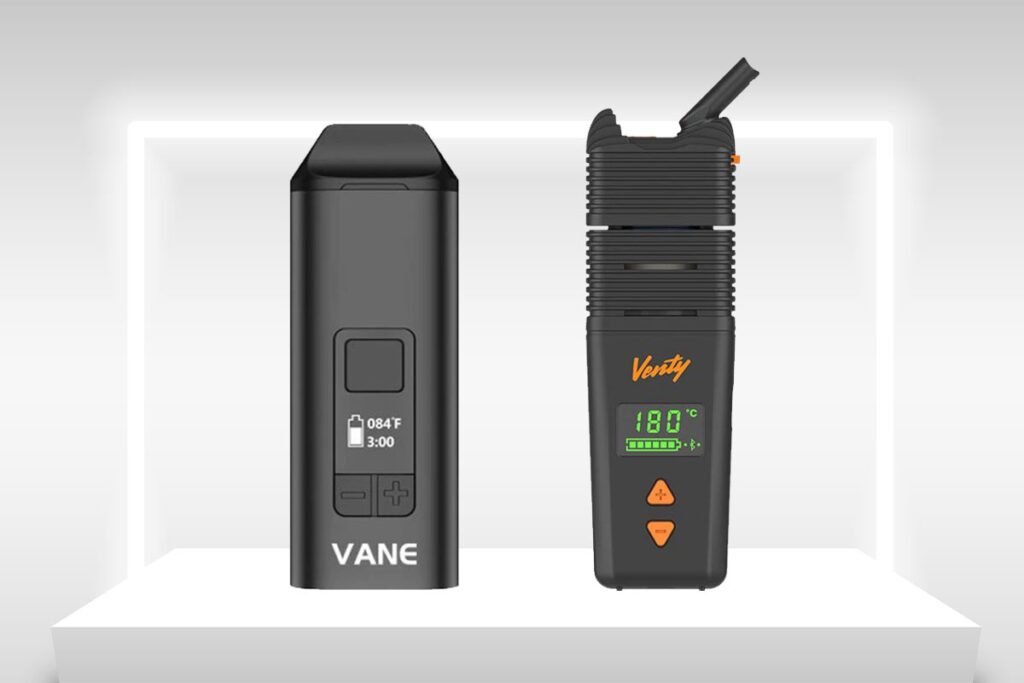
What Is a Dry Herb Vaporizer?
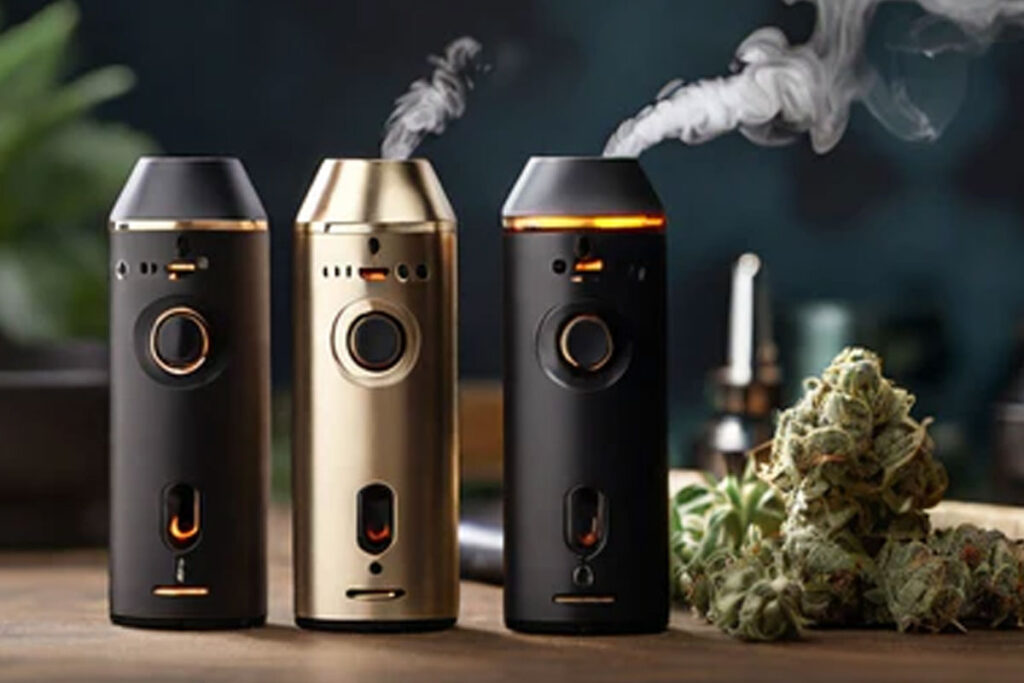
A dry herb vaporizer is a device that heats dried plant material to a precise temperature, releasing active compounds as vapor without ever reaching the point of combustion. Instead of burning your herbs and inhaling smoke, a dry herb vape gently heats them so the cannabinoids, terpenes, and other beneficial compounds turn into vapor that you inhale. No flame, no tar, no ash.
This is fundamentally different from vape pens that use e-liquids or concentrates. A dry herb vaporizer works exclusively with ground, dried plant material. You load the chamber with your herb, set a temperature, wait for the device to heat up, and then draw vapor through the mouthpiece. That simplicity is part of the appeal.
Why does “dry herb” matter? Because the heating method and experience are completely different from concentrate or e-liquid vaping. Dry herb vaporizers preserve the full spectrum of compounds found in the plant, including terpenes that contribute to flavor and effect. When you vape dry herb, you’re getting a more complete, natural experience compared to isolated extracts. The vaping process itself is smoother, cooler, and far less harsh than smoking.
If you’ve been wondering whether vaping is better than smoking, a dry herb vaporizer is one of the strongest arguments in favor of vaping. You get the active ingredients you want without the thousands of byproducts created by combustion.
How Do Dry Herb Vaporizers Work?
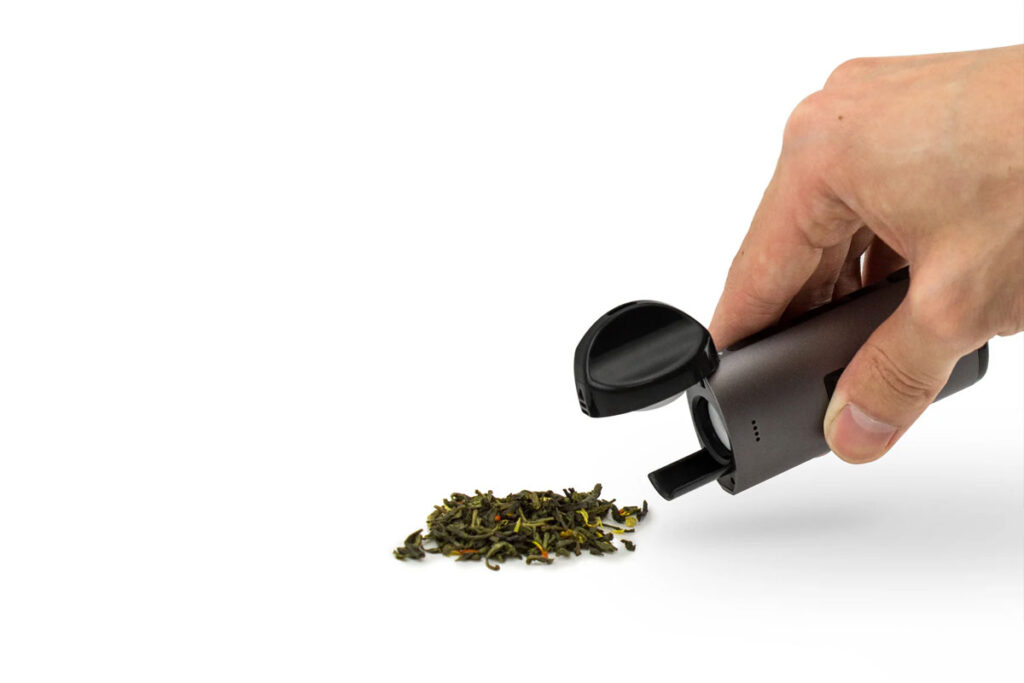
The basic principle is simple: heat the herb enough to release its active compounds, but not so much that it catches fire. Combustion happens around 450°F (232°C) and above. Dry herb vaporizers operate well below that threshold, typically between 315°F and 430°F (157°C to 221°C). At these temperatures, cannabinoids and terpenes reach their boiling points and turn into vapor, while the plant material itself stays intact.
Think of it like steeping tea. You pour hot water over tea leaves and the flavor compounds dissolve into the water. You don’t burn the leaves, you extract from them. A dry herb vaporizer does the same thing with hot air or a hot surface instead of water.
Conduction Heating: Direct Contact
Conduction heating works like a frying pan. Your herb sits in a chamber with heated walls, and the direct contact transfers heat into the plant material. This method is fast. Most conduction devices reach temperature in 10 to 30 seconds. The tradeoff is that the herb touching the wall gets hotter than the herb in the center, which can lead to uneven extraction. Stirring the bowl halfway through a session helps a lot.
Conduction devices tend to be more compact because the heating element is small and wraps directly around the chamber. The PAX line and DynaVap are well-known conduction vapes. If you want something pocket-friendly with quick heat-up times, conduction is a solid choice.
Convection Heating: Hot Air Flow
Convection heating works like a convection oven. Hot air passes through the herb, heating it evenly from all sides. The herb never touches the heating element directly. This produces more consistent vapor, better flavor, and more complete extraction because every bit of herb gets the same treatment.
The downside is speed. Convection devices need 30 to 90 seconds to heat up because they have to warm a chamber of air, not just a metal wall. They also tend to be larger since they need space for the air path and heating element. The Volcano, Arizer Solo III, and Venty are all convection devices, and they produce some of the best vapor quality available.
Hybrid Heating: The Best of Both
Hybrid devices combine conduction and convection heating. The chamber walls are warm (conduction) while heated air is also drawn through the herb (convection). This gives you faster heat-up than pure convection, plus better flavor and evenness than pure conduction. The Mighty+ and Crafty+ from Storz & Bickel are the best-known hybrid vapes, and they have a loyal following for good reason.
In 2026, the premium market has shifted heavily toward convection and hybrid heating. Manufacturers have found that users are willing to wait a little longer for heat-up in exchange for noticeably better vapor quality. If you’re comparing a disposable vape to a dry herb vaporizer, the heating method is one of the biggest differences you’ll notice right away.
Types of Dry Herb Vaporizers
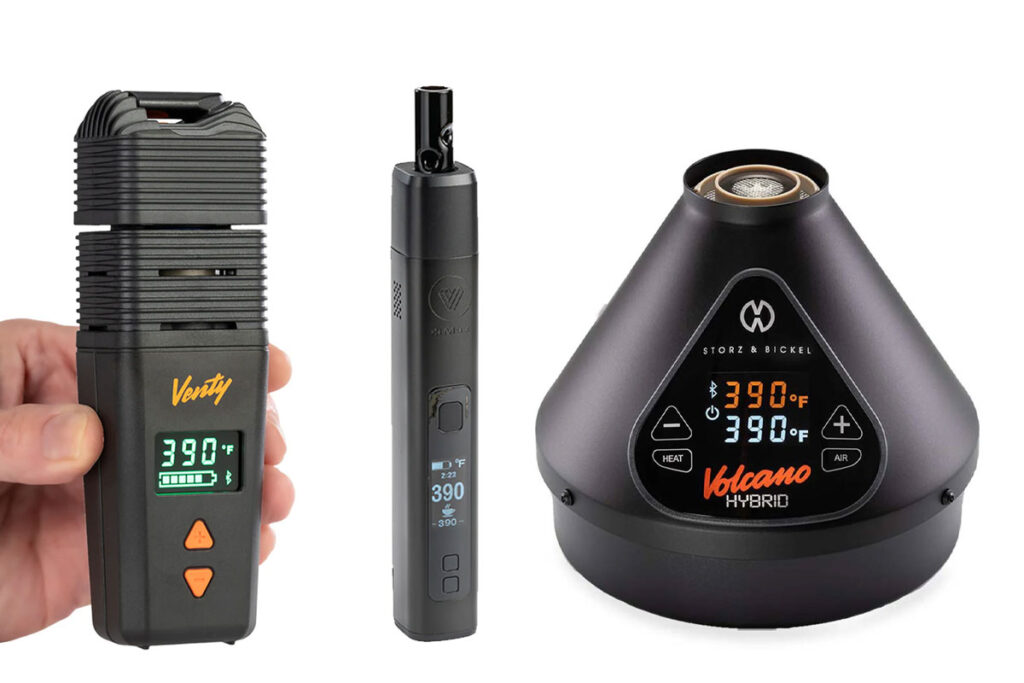
Portable Dry Herb Vaporizers
Portable dry herb vapes run on built-in batteries and are designed to go anywhere. They range from pocket-sized stealth devices to larger units that produce desktop-quality vapor. Battery life varies from 45 minutes to over 3 hours depending on the model. Most use USB-C charging now, and some support passthrough charging so you can vape while plugged in.
The best portable dry herb vaporizer for you depends on what you value most. If you want max vapor quality, the Mighty+ or Arizer Solo III are hard to beat. If discretion matters more, the PAX Plus slips into any pocket. For fast draws with adjustable airflow, the Venty from Storz & Bickel is a recent standout.
Desktop Dry Herb Vaporizers
Desktop vaporizers plug into the wall and deliver the best vapor quality you can get. They have larger heating elements, more precise temperature control, and no battery limitations. The Volcano Hybrid is the gold standard here, famous for its balloon filling system and thick, flavorful vapor. The Arizer XQ2 offers similar functionality at a lower price point, with both balloon and whip delivery options.
Desktop vapes are ideal for home use, group sessions, and anyone who wants the best possible experience without worrying about battery life. They are not portable in any meaningful sense, so think of them as a home appliance rather than a take-along device.
Butane-Powered Dry Herb Vaporizers
This is a category that surprises a lot of people. Butane-powered vapes use a torch lighter to heat a metal tip or cap, and there’s no battery at all. The DynaVap M7 is the most popular example, costing around $75 and delivering surprisingly good vapor once you learn the technique. You heat the cap with a torch until it clicks, then you inhale. That click tells you the temperature is right. No screens, no settings, no charging.
The Vapman takes a similar approach with a slightly different design that appeals to connoisseurs who enjoy the ritual aspect. Butane vapes are the simplest and most affordable entry into dry herb vaping. They work anywhere, require no electricity, and are nearly indestructible. The learning curve is steeper than an electronic device, but many users come to prefer the hands-on experience.
Quick Comparison of Dry Herb Vaporizer Types
| Type | Power | Portability | Vapor Quality | Price Range | Best For |
|---|---|---|---|---|---|
| Portable | Battery | High | Good to Excellent | $150-$450 | On-the-go use |
| Desktop | Wall plug | None | Excellent | $200-$700 | Home sessions, groups |
| Butane | Torch lighter | High | Good | $50-$150 | Budget, simplicity, outdoors |
| Hybrid heating | Battery | Medium-High | Very Good | $250-$400 | Balance of quality and speed |
Top Dry Herb Vaporizers in 2026: Our Picks
Choosing the best dry herb vaporizer means balancing your budget, how you plan to use it, and what kind of vapor experience you want. Here are the top models available right now, based on performance, reliability, and user feedback.
Comparison Table
| Model | Type | Heating | Price | Best For |
|---|---|---|---|---|
| Volcano Hybrid | Desktop | Convection | ~$599 | Home use, vapor quality, group sessions |
| Mighty+ | Portable | Hybrid | ~$349 | Daily portable use, power users |
| Venty (Storz&Bickel) | Portable | Convection | ~$449 | Fast draw, adjustable airflow |
| Arizer Solo III | Portable | Convection | ~$269 | Long sessions, battery life, flavor |
| Crafty+ | Portable | Hybrid | ~$279 | Compact portable, Storz quality |
| PAX Plus/Flow | Portable | Conduction | ~$199 | Beginners, discreet, design |
| Arizer XQ2 | Desktop | Convection | ~$249 | Desktop value, balloon+whip |
| DynaVap M7 | Butane | Conduction (on-demand) | ~$75 | Budget, simplicity, no battery |
| Vapman | Butane | Conduction | ~$100+ | Connoisseurs, ritual experience |
Volcano Hybrid — Best Desktop Vaporizer
The Volcano Hybrid is the standard by which all other desktop vaporizers are judged. Made by Storz & Bickel in Germany, it fills balloons with dense, flavorful vapor and also supports a whip attachment for direct draws. The convection heating system is precise and consistent, producing vapor that is smoother and thicker than anything else on the market. At around $599, it’s an investment, but one that lasts for years. If you primarily vape at home and want the absolute best vapor quality, the Volcano Hybrid is the answer.
Mighty+ — Best Overall Portable
The Mighty+ has earned its reputation as the most reliable portable dry herb vaporizer. It uses hybrid heating (convection plus conduction) to produce thick, flavorful vapor in a package that fits in your hand. The improved USB-C charging over the original Mighty, faster heat-up time, and a supercritical sensor for session control make this the daily driver for serious users. Battery life is excellent at about 90 minutes of session time. At around $349, it’s not cheap, but the build quality and performance justify the price.
Arizer Solo III — Best for Flavor and Battery Life
The Arizer Solo III is a convection portable that excels at flavor and session length. Its glass aroma tube system preserves terpenes beautifully, and the battery lasts up to 3 hours on a single charge. It heats up in about 30 seconds and offers precise temperature control. At around $269, it undercuts the Mighty+ on price while competing on vapor quality. The glass stems are fragile and the device is taller than most portables, but if flavor is your top priority, the Solo III delivers.
PAX Plus — Best for Beginners
The PAX Plus (and its sibling the PAX Flow) is the most approachable dry herb vaporizer for new users. It’s small enough to conceal in your palm, heats up in about 20 seconds, and uses conduction heating for simplicity. The four preset temperature modes take the guesswork out of settings. At around $199, it’s priced fairly for what you get. The conduction heating means you’ll want to stir the bowl for even extraction, and vapor density is lighter than convection competitors, but for discreet, easy vaping, the PAX Plus is hard to beat.
DynaVap M7 — Best Budget Pick
At around $75, the DynaVap M7 is the most affordable quality dry herb vaporizer you can buy. It’s a butane-powered device with no battery, no electronics, and no settings. You heat the stainless steel cap with a torch lighter until it clicks, then inhale through the mouthpiece. That’s it. The vapor quality is surprisingly good once you dial in your technique, and the device is virtually indestructible. It’s also one of the most efficient vapes available, extracting thoroughly from small amounts of herb. The only real downsides are the learning curve and the need to carry a torch lighter, but for budget-conscious users or anyone who wants a backup device, the DynaVap M7 is a no-brainer.
Arizer XQ2 — Best Desktop Value
The Arizer XQ2 offers desktop vaporizer performance at a much lower price than the Volcano. It supports both balloon and whip delivery, uses convection heating with ceramic elements, and has precise digital temperature control. At around $249, it costs less than half of the Volcano Hybrid while delivering vapor quality that satisfies most users. It’s bulkier and the balloon system isn’t quite as refined, but if you want desktop performance without the premium price tag, the XQ2 is the smart choice.
Temperature Guide: What Heat Setting Should You Use?
Temperature is the single most important variable in dry herb vaping. It determines which compounds you extract, how thick your vapor is, and how your session feels. Different cannabinoids and terpenes vaporize at different temperatures, so adjusting the heat changes the character of your experience.
Temperature Ranges Explained
Low temperature (315-350°F / 157-177°C): This is the flavor zone. You’ll get light, tasty vapor with pronounced terpene character. Effects are milder and more cerebral. Great for daytime use or when you want to appreciate the taste of your herb.
Medium temperature (350-390°F / 177-199°C): The sweet spot for most users. You get a good balance of flavor and vapor production, with moderate to strong effects. This is where most people vape daily.
High temperature (390-430°F / 199-221°C): Maximum vapor density and the strongest effects. Flavor starts to decline at this range, and the vapor is warmer and harsher. Best for the end of a session when you want to extract everything remaining.
Above 430°F / 221°C: You’re approaching combustion. Avoid this range. If you see actual smoke, your temperature is too high and you’re no longer vaporizing.
Cannabinoid Boiling Points
| Compound | Boiling Point | What It Does |
|---|---|---|
| THC | 315°F (157°C) | Primary psychoactive compound |
| CBD | 320-356°F (160-180°C) | Anti-anxiety, anti-inflammatory, no high |
| CBN | 365°F (185°C) | Sedating, sleep aid |
| CBG | 126°F (52°C) | Potential anti-bacterial, anti-inflammatory |
| THCV | 428°F (220°C) | Appetite suppressant, energizing |
Key Terpene Boiling Points
| Terpene | Boiling Point | Effect |
|---|---|---|
| Pinene | 311°F (155°C) | Alertness, memory retention |
| Myrcene | 334°F (168°C) | Sedating, relaxing |
| Caryophyllene | 320°F (160°C) | Anti-inflammatory, pain relief |
| Limonene | 349°F (176°C) | Uplifting, mood enhancement |
| Linalool | 388°F (198°C) | Calming, anti-anxiety |
The practical takeaway is simple: start low and work your way up. Begin your session at around 350°F (177°C) for the best flavor, then step up to 375-390°F (190-199°C) for thicker vapor and stronger effects. Finish at 400-420°F (204-216°C) to extract the last of the active compounds. This step-up approach gives you the most from your herb across the full temperature spectrum.
Benefits of Using a Dry Herb Vaporizer
Health: No Combustion Means Fewer Harmful Byproducts
When you smoke, you’re inhaling the products of combustion: tar, carbon monoxide, benzene, and dozens of known carcinogens. A dry herb vaporizer avoids all of that by staying below the combustion point. The vapor you inhale contains primarily the active compounds you want, without the thousands of unwanted byproducts created by burning plant material.
A study published in the Journal of Psychoactive Drugs found that vaporizing delivered approximately 46% of available THC, compared to around 25% from smoking. That’s a significant difference. The CDC acknowledges that while vaping is not risk-free, eliminating combustion reduces exposure to many harmful chemicals.
Efficiency: 30-40% More Efficient Than Smoking
Vaporizing is 30 to 40% more efficient than smoking. That means you use significantly less herb to achieve the same effect. The reason is straightforward: combustion destroys a large portion of the active compounds before you ever inhale them. Vaporizing extracts those compounds gently and thoroughly. Over time, the herb savings can more than pay for the device itself, especially if you vape daily.
Flavor: Terpenes Are Preserved
If you’ve ever tasted the difference between a vape hit at 350°F and a bong rip through burning herb, you know the flavor gap is enormous. Terpenes, the aromatic compounds that give each strain its unique taste and smell, are delicate. Many vaporize well below 350°F and are destroyed instantly by combustion. A dry herb vaporizer at the right temperature lets you taste your herb in a way that smoking simply cannot match.
Discretion: Less Odor, Faster Dissipation
Vapor from a dry herb vape has a noticeably different smell than smoke. It’s less pungent, doesn’t cling to clothing and fabric as stubbornly, and dissipates much faster. In a well-ventilated room, vapor odor can fade within minutes rather than lingering for hours. This makes dry herb vapes far more discreet for home use, and portable models are quiet enough to use outdoors without drawing attention.
Already Vaped Bud (AVB): Don’t Throw It Away
One of the most overlooked benefits of dry herb vaping is that your leftover material, commonly called already vaped bud or AVB, still contains active cannabinoids. Depending on the temperature you vaped at, AVB retains 10 to 30% of the original compounds. Since the vaping process has already decarboxylated the herb (activated the THC and CBD through heat), AVB is ready to use in edibles without any additional preparation. You can mix it into recipes for cannabutter, add it to smoothies, or make tinctures. It’s a free bonus that smoking can never provide, because ash has zero useful compounds left.
Light brown AVB (from low-temp sessions) has more cannabinoids remaining and works better for edibles. Dark brown AVB (from high-temp sessions) has less potency but can still be used. Store AVB in an airtight container in a cool, dark place until you have enough to use.
How to Use a Dry Herb Vaporizer: Step by Step
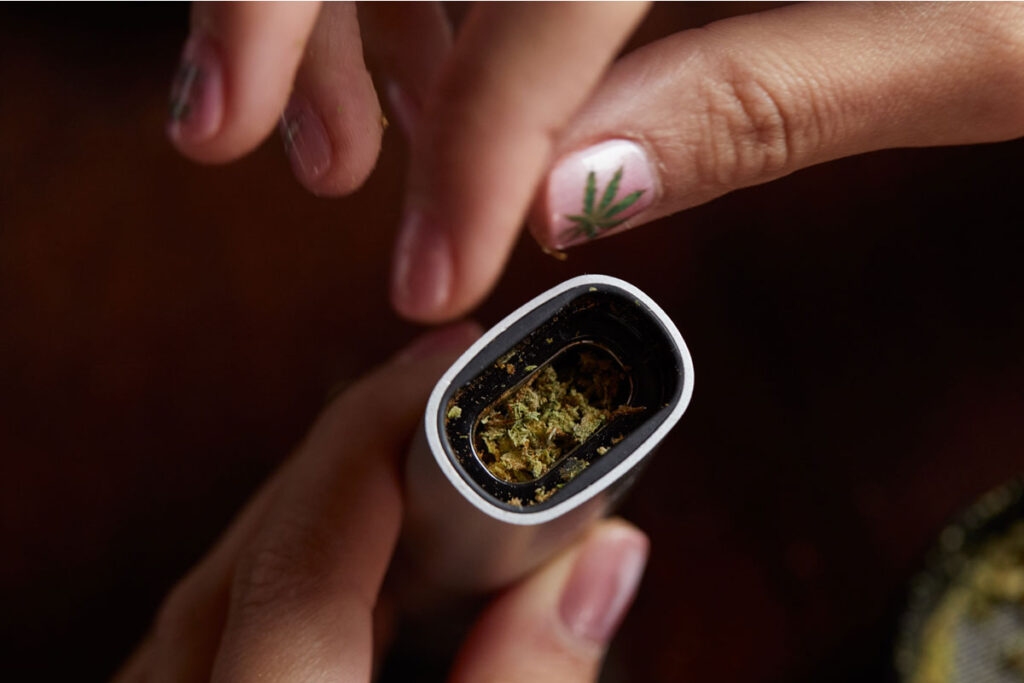
Step 1: Grind Your Herb
A medium-fine grind works best for most dry herb vaporizers. You want consistent pieces that pack evenly without being so fine that they restrict airflow. A good grinder makes a real difference here. Too coarse and the hot air can’t reach all the surface area. Too fine and you’ll choke the airflow, making draws difficult. For convection vapes, a slightly coarser grind often works well. For conduction devices, a finer grind improves surface contact.
Step 2: Fill the Chamber
Load your ground herb into the chamber without overpacking. You want it full but not compressed. Air needs to flow through the herb for proper vaporization, especially with convection devices. If you pack it too tight, you’ll get weak vapor and restricted draws. Most portable chambers hold 0.1 to 0.3 grams, while desktop chambers can hold 0.3 to 0.5 grams. You can always add more if the first bowl isn’t enough.
Step 3: Set Your Temperature
Start at 350°F (177°C) for your first few sessions. This gives you the best flavor and a gentle introduction to the effects. As you gain experience, you can adjust based on what you want: lower for flavor, higher for vapor density. If your device uses preset temperatures rather than precise degree control, start with the lowest or second-lowest setting.
Step 4: Wait for Heat-Up
Heat-up time varies by device and heating method. Conduction vapes like the PAX heat up in about 15-30 seconds. Convection devices like the Arizer Solo III need 30-60 seconds. Desktop units like the Volcano take about 60-90 seconds. Wait until your device signals it’s ready (usually a vibration, LED change, or beep) before taking your first draw.
Step 5: Inhale Slowly
This is where most beginners go wrong. With a dry herb vaporizer, you sip, you don’t rip. Take slow, steady draws over 5 to 10 seconds. Drawing too fast cools the chamber and pulls air through without proper extraction. A slow draw gives the hot air time to interact with the herb and produce thick, flavorful vapor. Think of it like sipping hot tea through a straw, not chugging a drink.
Step 6: Stir and Step Up Temperature
After 5 to 10 draws, stir the herb in the chamber with a small tool. This exposes fresh material to the heat, especially important for conduction vapes where the center of the bowl may be under-extracted. At the same time, consider bumping the temperature up by 10-15°F. The most flavorful compounds vaporize first, so stepping up the heat mid-session keeps the vapor production going as the easy-to-extract compounds are used up.
Step 7: Know When the Bowl Is Spent
Your bowl is done when the vapor becomes thin and the flavor turns toasty or popcorn-like. The herb should be evenly brown throughout. If it’s still green in spots, you can stir and continue. Most sessions last 5 to 15 minutes depending on the device and chamber size. Empty the chamber after each session and give it a quick wipe with a cotton swab. Your future self will thank you.
For more general guidance on vaping technique, check out our how to vape guide. And if you’re comparing the cost of different vaping options, our article on how much a vape costs breaks it all down.
Cleaning and Maintenance
If there’s one thing that separates people who love their dry herb vaporizer from people who get frustrated with it, cleaning is it. A clean device produces better flavor, smoother draws, and more consistent vapor. A dirty device tastes like old toast, clogs up, and eventually stops working properly. The good news is that basic maintenance takes just a few minutes and keeps everything running smoothly.
What You Need
- Isopropyl alcohol (91% or higher)
- Cotton swabs (Q-tips)
- Pipe cleaners
- A small brush or pick for scraping residue
- Paper towels
Daily: Quick Wipe
After every few sessions, wipe out the chamber with a cotton swab lightly dipped in isopropyl alcohol. Give the mouthpiece a quick swipe too. This takes about 30 seconds and prevents resin from building up into a stubborn layer that’s much harder to remove later.
Weekly: Soak Removable Parts
Remove any parts that come off: mouthpieces, screens, glass stems, and drip tips. Soak them in isopropyl alcohol for 20 to 30 minutes. After soaking, rinse with warm water and let everything dry completely before reassembling. This clears out residue that daily wipes can’t reach.
Monthly: Deep Clean
Once a month, give your device a thorough cleaning. Soak all removable parts, run a pipe cleaner through the air path, scrape out any stubborn residue from the chamber, and replace screens or mesh filters if they’re clogged beyond recovery. Most screens last 1 to 3 months depending on how heavily you use the device.
DynaVap Cleaning
The DynaVap deserves special mention because it’s easier to clean than most electronic vapes. Remove the cap, soak the tip and condenser tube in isopropyl alcohol, and run a pipe cleaner through the condenser. The O-rings can be wiped with alcohol on a swab. Reassemble once everything is dry. Total time: about 5 minutes.
When to Replace Parts
- Screens/mesh filters: Every 1-3 months, or when clogged and flavor is muted
- O-rings: When they crack, stretch, or no longer seal properly
- Mouthpieces: Glass stems can chip or crack; replace when damaged
- Batteries: Most internal batteries last 2-3 years with regular use
A well-maintained dry herb vaporizer can last for years. If you’re shopping for cleaning supplies or replacement parts, a local vape shop often carries what you need.
Other Herbs You Can Vape (Beyond Cannabis)
One of the best things about a dry herb vaporizer is that it works with more than just cannabis. Many aromatic and medicinal herbs can be vaped at specific temperatures for relaxation, focus, respiratory relief, and more. This makes a dry herb vape a versatile wellness tool, not just a cannabis device.
| Herb | Temperature | Effect |
|---|---|---|
| Lavender | 266°F (130°C) | Calming, sleep aid |
| Chamomile | 212-257°F (100-125°C) | Relaxation, digestive comfort |
| Eucalyptus | 266°F (130°C) | Respiratory relief |
| Peppermint | 320°F (160°C) | Alertness, digestion |
| Lemon Balm | 284°F (140°C) | Calming, mood support |
| Damiana | 302°F (150°C) | Relaxation, aphrodisiac |
| Hops | 275°F (135°C) | Sedating, sleep support |
| Sage | 374°F (190°C) | Mental clarity |
Blending Tips
You can mix herbs together for custom blends. Lavender and chamomile make a soothing bedtime combination. Peppermint and lemon balm work well for daytime focus. Hops and lavender are a powerful sleep blend. When mixing, set your temperature to the highest boiling point of the herbs in your blend so all of them vaporize. Start with small amounts of each herb until you find a ratio you like. And always use organic, pesticide-free herbs from a reputable source.
If you’re interested in other types of vaping, you might want to read about live resin vapes or learn about the science behind vape liquids. But for pure herbal versatility, nothing beats a dry herb vaporizer.
FAQ
Is a dry herb vaporizer healthier than smoking?
Yes, a dry herb vaporizer is generally considered healthier than smoking because it avoids combustion. When you smoke, you inhale tar, carbon monoxide, and dozens of carcinogens created by burning plant material. Vaporizing heats the herb below the combustion point, so those combustion byproducts are largely absent. However, “healthier” does not mean “risk-free.” There may still be some irritants in vapor, and long-term studies on vaping are still ongoing. If you don’t currently use any inhaled substance, starting is not recommended.
Can you use a dry herb vaporizer for concentrates?
Some dry herb vaporizers come with concentrate pads or inserts that allow you to vape waxes and oils. The Mighty+ and Crafty+ both offer liquid pads for this purpose, and the PAX has a concentrate insert. However, a dry herb vape is optimized for plant material, and dedicated concentrate vaporizers or vape pens will generally perform better with extracts. If you primarily vape concentrates, you’re better off with a device designed for that purpose.
How long does a dry herb vape session last?
Most dry herb vape sessions last between 5 and 15 minutes, depending on the device, chamber size, and your inhalation style. Portable devices with smaller chambers tend to produce shorter sessions, while desktop units like the Volcano can keep going for 20 minutes or more. The Mighty+ typically runs about 10 minutes per chamber. DynaVap sessions are shorter, often just 2-4 minutes per cap, since you heat and extract in one quick cycle.
What’s the difference between a dry herb vape and a vape pen?
A dry herb vaporizer heats ground plant material directly. A vape pen is designed for e-liquids (nicotine or flavored) or cannabis concentrates (oils, waxes). The heating systems, chamber designs, and temperature ranges are all different. You cannot put e-liquid in a dry herb vape, and you cannot put loose herb in most vape pens. Some devices bridge both worlds with interchangeable chambers, but in general, they are separate categories of product.
Can you reuse already vaped bud (AVB)?
Yes. Already vaped bud (AVB) typically retains 10 to 30% of its original cannabinoids after a vaping session. Because the vaporizer has already heated the herb to the point of decarboxylation, AVB is ready to use in edibles without any additional processing. You can incorporate it into cannabutter, add it to baked goods, or make tinctures. Light brown AVB (from low-temp sessions) is more potent than dark brown AVB (from high-temp sessions). Store it in an airtight container in a cool, dark place until you’re ready to use it.
Do dry herb vaporizers produce smoke?
No. Dry herb vaporizers produce vapor, not smoke. The two are chemically different. Vapor consists of the active compounds that have been released by heat, suspended in air. Smoke is the product of combustion and contains tar, carbon monoxide, and other harmful byproducts. If you see actual smoke coming from your dry herb vaporizer, your temperature is too high and you are essentially combusting the herb. Turn the temperature down.
How much herb do you need for a session?
Most portable dry herb vaporizers hold 0.1 to 0.3 grams per chamber. Desktop units accommodate 0.3 to 0.5 grams. That’s considerably less than what you’d use in a joint or bowl for smoking, because vaporizing is more efficient. Many users find that 0.15 to 0.2 grams in a portable device provides a satisfying session.
Are dry herb vaporizers legal?
The devices themselves are legal to own and purchase in most jurisdictions. They are simply heating devices. What you put in them determines the legal situation. Vaping legal herbs like lavender, chamomile, or peppermint is legal everywhere. Vaping cannabis depends entirely on your local laws regarding cannabis possession and use. Always check your local regulations.
How do I know when to replace my herb in the chamber?
Your herb is spent when the vapor becomes thin and wispy, the flavor shifts from herbal to a popcorn-like or toasted taste, and the material has turned from green to an even brown color throughout. If you still see green patches after stirring, there’s more to extract. Most users get the best results by starting at a low temperature and gradually increasing it through the session.
Final Thoughts
A dry herb vaporizer gives you a cleaner, more efficient, and more flavorful way to enjoy your herbs compared to smoking. Whether you choose a portable unit like the Mighty+ for daily use, a desktop powerhouse like the Volcano Hybrid for home sessions, or a budget-friendly DynaVap M7 that needs no battery at all, the core benefit is the same: controlled heat that extracts the compounds you want without the combustion byproducts you don’t.
Start with a temperature around 350°F (177°C), inhale slowly, clean your device regularly, and don’t throw away your AVB. Those four habits will get you better results than most people ever achieve from their dry herb vape, regardless of which model they own.
If you’re still deciding between options, the convection vs conduction question is the biggest differentiator. Convection gives you better flavor and even extraction. Conduction gives you faster heat-up and more compact devices. Hybrid devices like the Mighty+ split the difference nicely. And butane-powered vapes like the DynaVap offer simplicity and efficiency that no electronic device can match at the same price point.
The best dry herb vaporizer is the one you’ll actually use consistently. Pick a device that fits your lifestyle, learn proper technique, and maintain it well. The results speak for themselves.


Build your vape knowledge
Read more guides
Find explainers, how-to articles and reference material.
Open guide library →Compare vape products
Check specifications across the product database.
Open product data →Read hands-on reviews
See tested devices and documented trade-offs.
Read review coverage →