

If you’ve walked past a vape shop lately, you already know the scene: walls of sleek little devices, clouds of sweet-smelling vapor, and a lot of jargon that nobody bothers to explain. Vape pens sit right at the center of all of it. They’re the device most people start with, and for good reason. They’re compact, straightforward, and they don’t require a degree in electrical engineering to operate.
But here’s the thing about vape pens: what looks simple on the outside is actually a fairly precise piece of hardware. Understanding how they work, what goes into them, and how to tell a decent one from junk matters more than most people think. This guide covers all of it, from the basic mechanics to the stuff most guides skip.
What Is a Vape Pen?
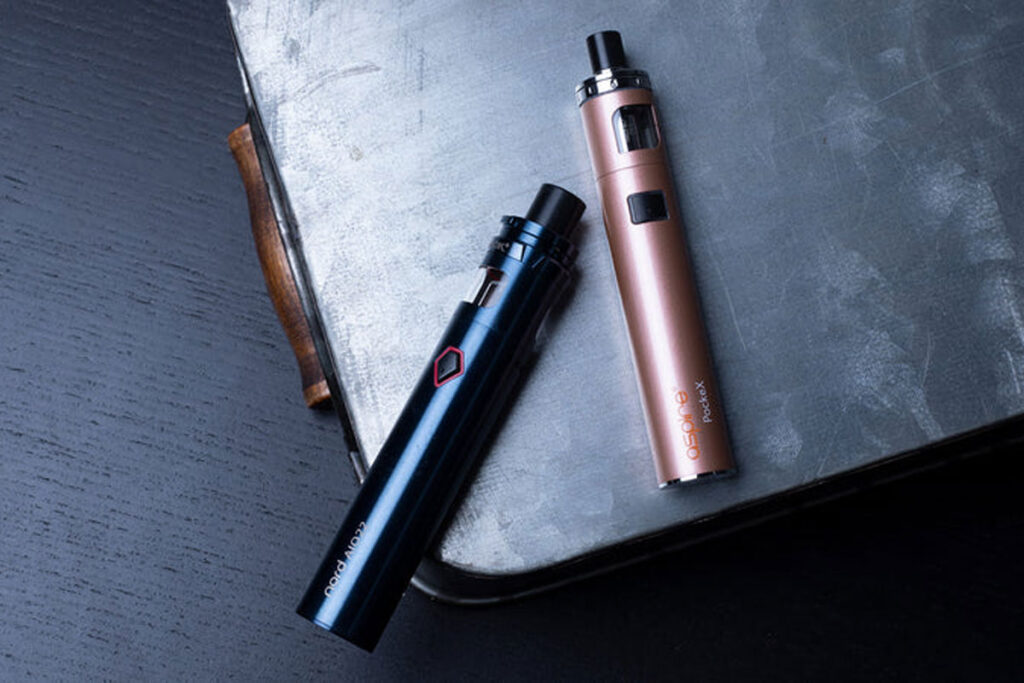
A vape pen is a portable, cylindrical device that heats a liquid or concentrate to produce an inhalable aerosol. The name comes from the shape: early models really did look like oversized pens. These days, the form factor has expanded a bit, but the core idea hasn’t changed.
Every vape pen shares three essential parts: a battery that powers the device, a heating element (called a coil or atomizer) that turns the liquid into vapor, and a reservoir (tank, pod, or cartridge) that holds whatever you’re vaping. You inhale through a mouthpiece at the top. That’s the whole system.
The global vape pen market was valued at approximately $8.4 billion in 2024 and is projected to reach $14.3 billion by 2032, growing at a CAGR of 5.3% according to Verified Market Research. This isn’t a niche product category anymore. It hasn’t been for a while.
How Do Vape Pens Work?
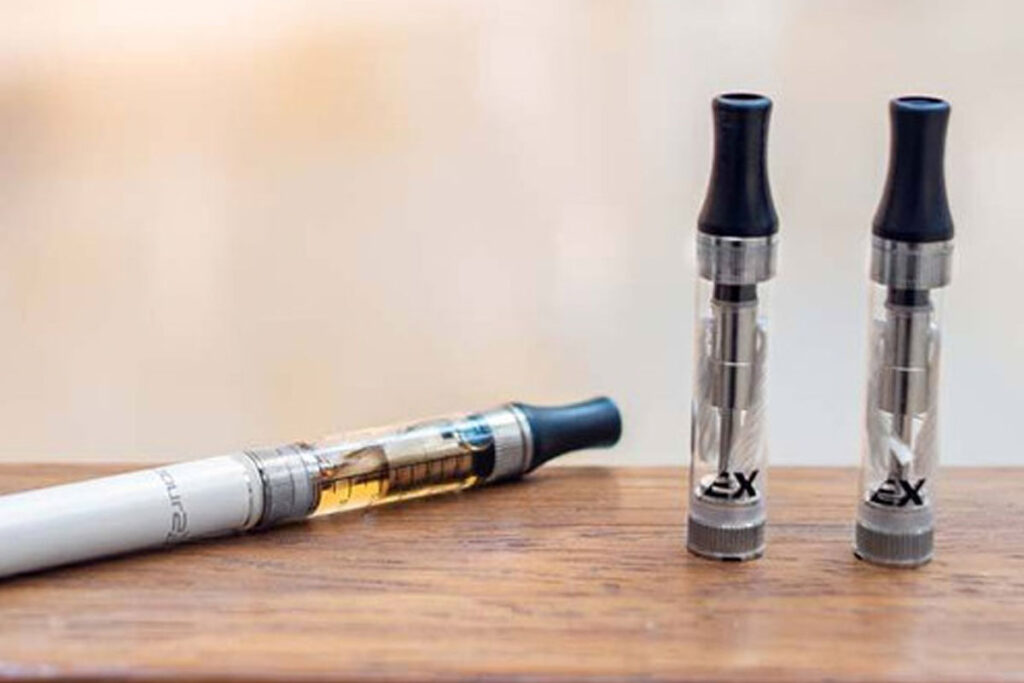
The mechanics are simpler than you’d expect. When you activate the device (either by pressing a button or simply inhaling, depending on the model), the battery sends current through the coil. The coil’s electrical resistance causes it to heat up rapidly, typically to somewhere between 100°C and 250°C. This heat vaporizes the e-liquid that’s been drawn into the wicking material (usually organic cotton) surrounding the coil. You inhale the resulting aerosol through the mouthpiece.
Here’s what each component actually does:
- Battery: The power source. Most vape pens use integrated lithium-ion batteries. Capacity is measured in milliampere-hours (mAh). A 650 mAh battery will get a light user through most of the day; a 1500–3000 mAh battery handles heavier use or higher wattage. Charging is almost universally USB-C now.
- Atomizer/Coil: The heating element. This is a piece of resistance wire (kanthal, stainless steel, or nichrome are common) shaped into a spiral or mesh screen, surrounded by a cotton wick. Coils are consumable. They degrade over time and need replacing, usually every one to three weeks depending on usage.
- Tank/Pod/Cartridge: The reservoir that holds your vaping material. Tanks (typically glass and stainless steel, 510-threaded) are refillable. Pods are usually plastic and either refillable or pre-filled. Cartridges are pre-filled and disposable.
- Mouthpiece (Drip Tip): The part you draw from. Narrow mouthpieces suit Mouth-to-Lung (MTL) vaping, which mimics the draw of a cigarette. Wider mouthpieces are designed for Direct-to-Lung (DTL) hits and bigger vapor production.
Types of Vape Pens
Not all vape pens are built for the same purpose. The type you want depends on what you’re vaping and how much control you need.
Disposable Vape Pens
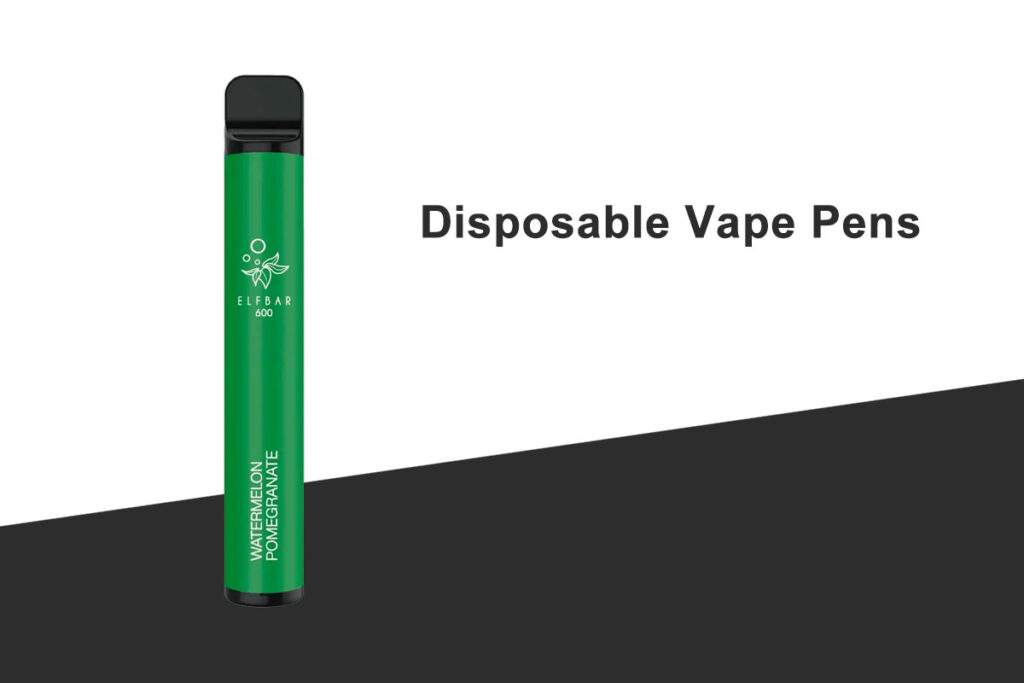
These come pre-filled and pre-charged. You use them until the e-liquid or battery runs out, then toss the whole thing. Zero maintenance, zero setup. They’re the most popular entry point for new vapers, and in 2025, disposables still dominate retail shelves. A typical disposable holds 2–15 ml of e-liquid and delivers anywhere from 200 to 15,000 puffs depending on the model.
The catch is cost over time. If you’re vaping regularly, buying disposables adds up fast. And there’s the environmental angle: each one contains a lithium-ion battery that ends up in a landfill.
Refillable Vape Pens
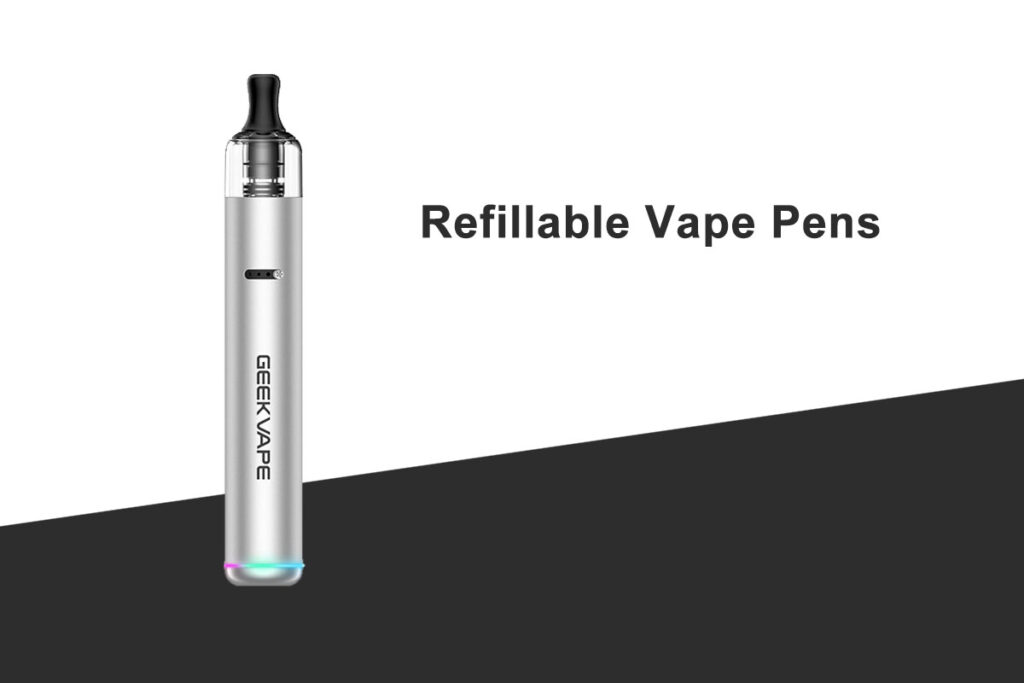
These have a rechargeable battery and a tank or pod you fill with your own e-liquid. More upfront effort, but cheaper in the long run. You pick your own flavors, your own nicotine strength, and you can swap coils when flavor starts to degrade instead of throwing away the whole device.
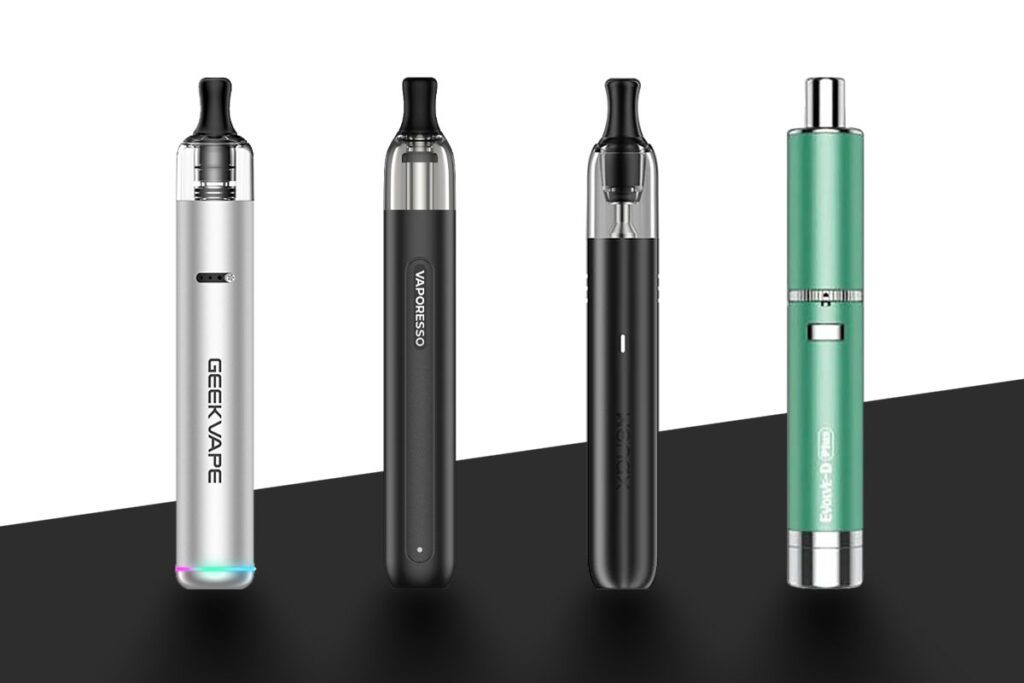
Popular refillable options include the Geekvape Wenax S3 Pod Kit, the Geekvape Wenax M1 Mini, and the Vaporesso Eco One Pod Kit.
Dry Herb Vape Pens
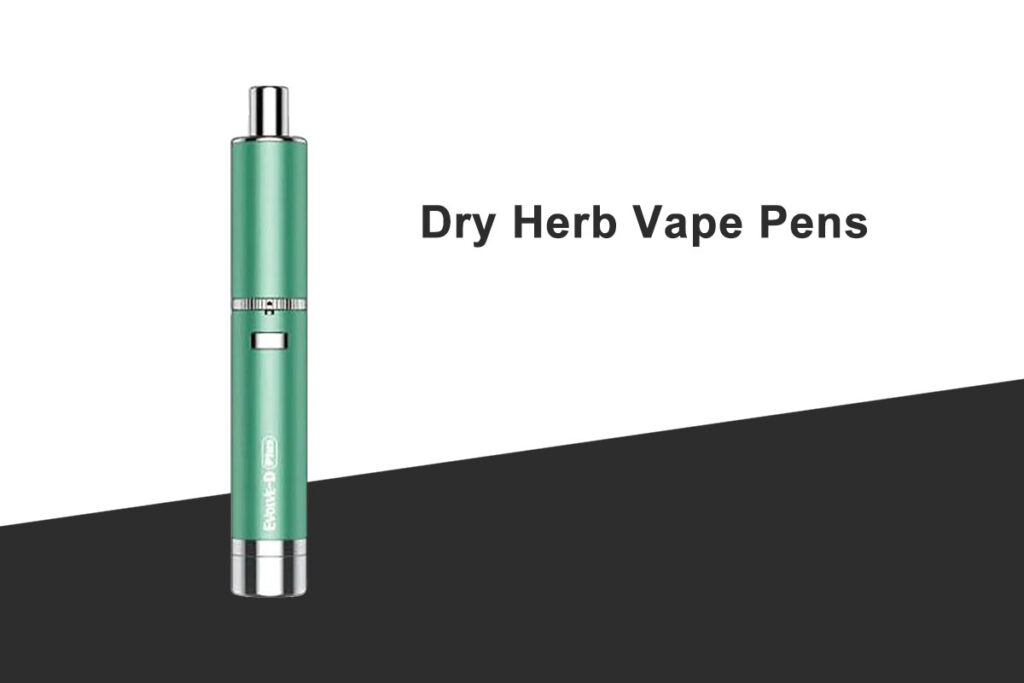
These work differently. Instead of liquid, you load loose-leaf material (cannabis flower, CBD hemp, or other herbs) into a heating chamber. The device heats the material to a specific temperature that releases active compounds without causing combustion. This is convection or hybrid heating, and it preserves terpenes and cannabinoids far better than burning. The Yocan Evolve-D Plus is a well-known example in this category.
Components of a Vape Pen (In Detail)
Understanding the parts helps you make better purchasing decisions and troubleshoot problems when they come up.
- Battery: Most pen-style devices use integrated lithium-ion cells. Capacity ranges from roughly 350 mAh on the smallest disposables to 3000 mAh on high-drain refillable pens. The 510-thread connection is the industry standard for interchangeability between batteries and tanks. Some devices offer variable voltage or wattage, letting you fine-tune heat output. USB-C charging is now standard on nearly all new models.
- Coil/Atomizer: This is where the physics happens. The coil’s resistance (measured in ohms) determines how much power it draws from the battery. Coils below 1.0 ohm are called “sub-ohm” and produce denser vapor at higher wattage. Coils above 1.0 ohm are standard for MTL vaping and nic salts. Mesh coils have largely replaced wire spirals in newer devices because they heat more evenly and last longer.
- Wicking Material: Organic cotton is the standard wicking material in most modern coils. It absorbs e-liquid and feeds it to the coil. If you fire a coil with a dry wick, you’ll get a burnt hit and ruin the coil immediately.
- Tank or Pod: Glass-and-stainless tanks (usually 510-threaded) are common on refillable pens. Pods use a magnetic or snap-in connection and tend to be plastic. Either way, the reservoir feeds e-liquid into the wick by capillary action.
- Mouthpiece: Often overlooked, but the diameter and shape matter. A narrow bore suits MTL draws. A wide bore suits DTL. Some are replaceable, some are not.
Vape Pen Safety and Regulations
Let’s be direct: vape pens contain lithium-ion batteries and heat liquid to high temperatures. That combination demands some basic respect for safety. Most vape pen incidents trace back to damaged batteries, improper charging, or cheap, unregulated hardware.
- Battery safety: Use the charger that came with the device. Don’t leave it charging overnight unattended. Don’t carry loose batteries in your pocket with keys or coins (this can create a short circuit).
- Coil awareness: Replace your coil when flavor degrades or you taste something burnt. Running a dry or degraded coil isn’t just unpleasant; it can produce unwanted chemical byproducts.
- Regulatory landscape: In the U.S., the FDA regulates e-cigarettes and vape pens under its tobacco product authority. Any device marketed after February 15, 2007 must submit a Premarket Tobacco Product Application (PMTA). Enforcement has ramped up, with the FDA issuing warning letters to companies selling unauthorized products. In the EU, the Tobacco Products Directive (TPD) limits tank capacity to 2 ml and nicotine strength to 20 mg/ml. Several jurisdictions, including Hong Kong, have banned vape possession outright in public places as of 2026.
Benefits and Drawbacks
There’s a lot of marketing noise around vaping. Here’s a straightforward take.
What vape pens do well
- Portability: They fit in a pocket. That’s the whole point. Compared to box mods or desktop vaporizers, vape pens are the grab-and-go option.
- Dosage control: With refillable pens, you choose your nicotine strength and how much you consume. This is one reason some smokers transition to vaping as a step-down method.
- Less combustion: Vaporizing at lower temperatures produces fewer harmful byproducts than burning tobacco. Public Health England (now the OHID) has maintained that vaping is significantly less harmful than smoking, though it’s not risk-free.
- Discretion: The vapor dissipates quickly and doesn’t cling to clothing the way cigarette smoke does.
Where they fall short
- Coil lifespan: Coils don’t last forever. Depending on your e-liquid and usage, expect to replace them every one to three weeks. That’s an ongoing cost and a mild hassle.
- Battery degradation: Lithium-ion batteries lose capacity over time. After 300–500 charge cycles, you’ll notice shorter battery life.
- Not risk-free: Vaping avoids combustion, but the long-term health effects of inhaling vaporized e-liquids are still being studied. Anyone telling you it’s completely safe is overselling.
- Disposables create waste: Single-use devices with embedded batteries are an environmental problem that the industry hasn’t solved.
Vape Pen Maintenance
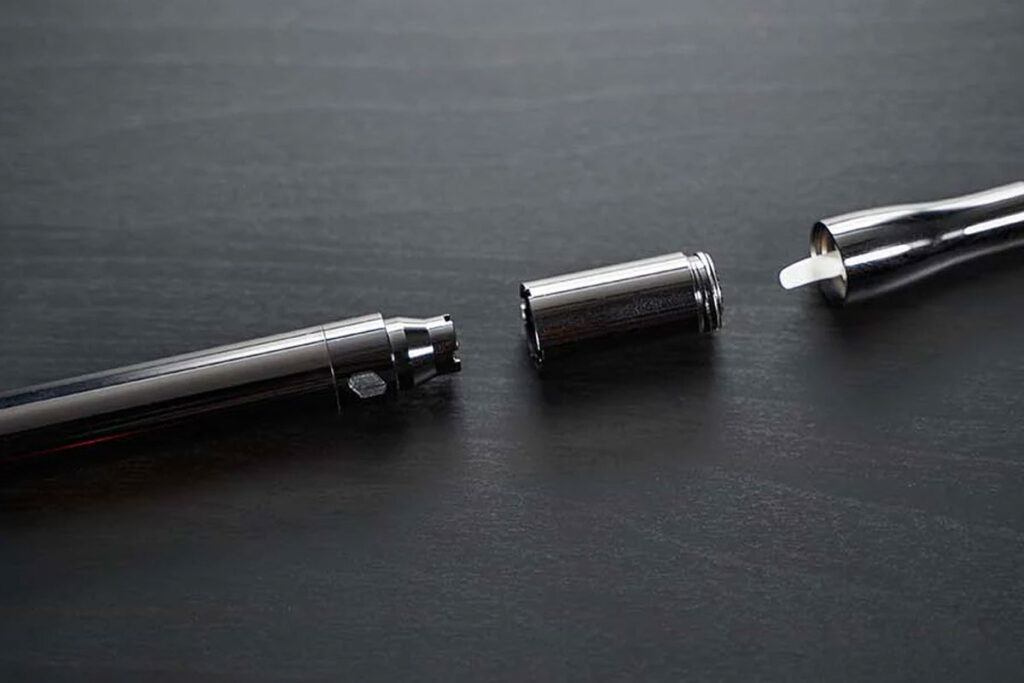
A little maintenance goes a long way. Most vape pen problems (gurgling, leaking, burnt taste, weak hits) come down to poor upkeep.
- Clean the mouthpiece and tank regularly: Residue builds up over time and affects both flavor and airflow. A quick wipe-down every few days keeps things running. For deeper cleaning, you can clean a vape pen without alcohol using warm water and a soft cloth.
- Replace coils on schedule: Don’t wait until every hit tastes like ash. Swap the coil when flavor starts to fade. For most users, that’s every one to three weeks. High-sweetener e-liquids gunge up coils faster.
- Charge properly: Use the manufacturer’s charger. Don’t overcharge. Unplug when the indicator shows full. USB-C has made this less of a concern than it was with older Micro-USB ports, but it’s still worth paying attention to.
- Store upright: Leaving a tank on its side can cause leaking, especially if the coil isn’t seated properly.
Vape Pens vs. Other Vaping Devices
Vape pens aren’t the only option. Here’s how they stack up against the two other main categories.
| Feature | Vape Pen | Pod System | Box Mod |
|---|---|---|---|
| Size | Pen-shaped, pocket-friendly | Compact, flat profile | Bulky, box-shaped |
| Ease of use | Simple | Very simple | Requires some knowledge |
| Power output | Low to moderate (10–30W typical) | Low (8–25W typical) | High (50–200W+) |
| Vapor production | Moderate | Light to moderate | Large clouds |
| Customization | Some (adjustable voltage) | Minimal | Extensive (wattage, temp control, TCR) |
| Best for | Intermediate users | Beginners, nic salt users | Experienced enthusiasts |
The line between vape pens and pod systems has blurred considerably. Many current “pod mods” look and function like vape pens with removable pods instead of tanks. If you’re choosing between them, the real question is whether you want a refillable tank (more options, slightly more maintenance) or a drop-in pod (faster setup, fewer choices).
Frequently Asked Questions
What can you put in a vape pen?
Nicotine e-liquids are the most common. Some pens handle cannabis oils, wax concentrates, or dry herb. Check the manufacturer’s specs. Using the wrong material in the wrong device is a fast way to wreck it.
How long does a vape pen last?
Disposables last until the liquid or battery runs out, typically 200 to 15,000 puffs depending on the model. Refillable pens can last years with proper maintenance, though batteries and coils are regular replacements.
Are vape pens safer than smoking?
Vaping avoids combustion, which eliminates tar and carbon monoxide. Public Health England has stated that vaping is likely around 95% less harmful than smoking. But “less harmful” is not the same as “harmless.” The comparison between smoking and vaping is not a simple one, and long-term studies are still ongoing.
How often should I replace my coil?
Every one to three weeks for most users. Heavy vapers or those using high-sweetener liquids may need weekly changes. If you taste something burnt, it’s already overdue.
Can you use CBD in a vape pen?
Yes, as long as the pen is compatible with CBD oils or e-liquids. Many 510-thread vape pens work well with CBD cartridges. Just make sure the viscosity of the CBD product matches what your device is designed for.
Why is my vape pen leaking?
Common causes: overfilling the tank, leaving the device on its side, a loose or worn O-ring, or using an e-liquid that’s too thin (high PG) for your tank’s airflow design. Start by checking the coil seat and O-rings.
The Bottom Line
Vape pens earned their place as the most popular entry point into vaping for a reason. They’re portable, relatively simple, and good enough for most people’s needs. But “simple” doesn’t mean “thoughtless.” The difference between a satisfying experience and a frustrating one often comes down to understanding how the device works, choosing the right type for your situation, and keeping up with basic maintenance.
If you’re just starting out, a refillable pod system or a simple vape pen with pre-filled cartridges is the way to go. If you want more control over wattage and airflow, step up to a variable-voltage vape pen. And if you’re chasing maximum vapor production, that’s what box mods are for.
Whatever you choose, buy from reputable brands and authorized retailers. The cheap unregulated stuff at gas stations and convenience stores isn’t worth the risk.
Sources: Verified Market Research (2024), Global Growth Insights (2026), Vapor Authority, VapePicks, FDA.gov




One Comment