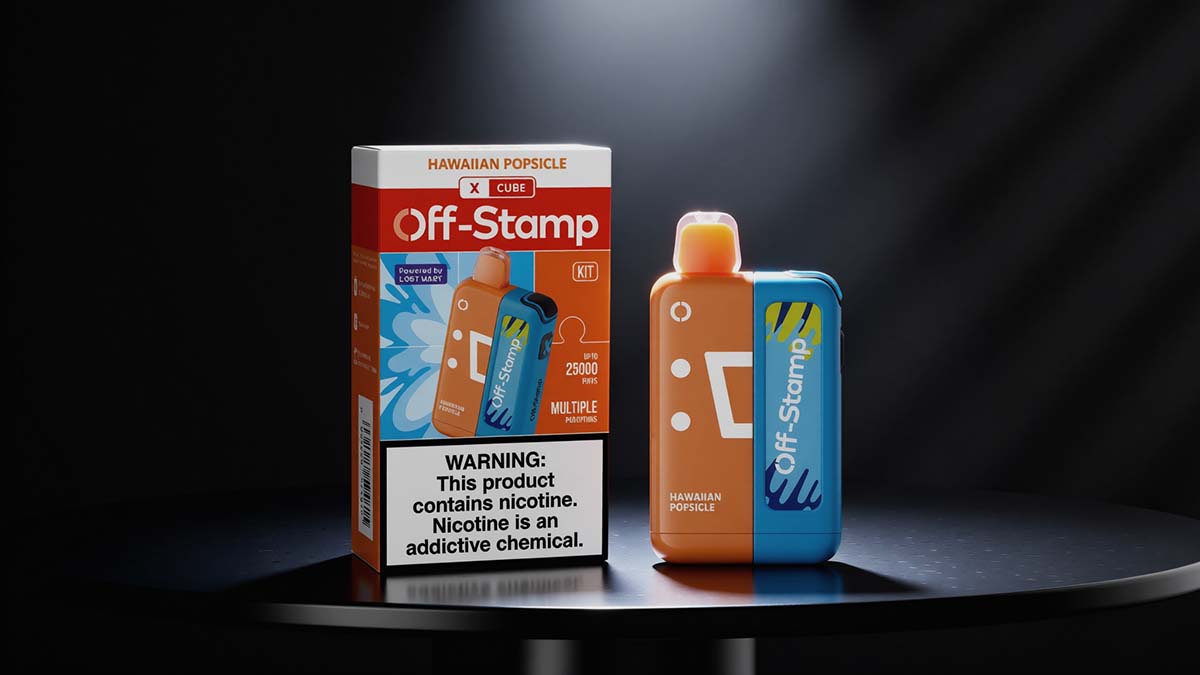

Technically, yes. Practically, no. The calories in a vape are so small they will not affect your weight, and your body does not absorb them the way it absorbs food.
Here is the short version: vape juice is made of propylene glycol (PG) and vegetable glycerin (VG), both of which have caloric value if you eat them. But you are not eating vape juice. You are aerosolizing and inhaling it. Your lungs are not a digestive organ, and they do not process calories the way your gut does.
So do vapes have calories? Yes, in the liquid. Do those calories matter for your waistline? Not even a little.
How many calories are actually in vape juice?
The two main ingredients in e-liquid both have measurable caloric content when consumed as food:
| Ingredient | Calories per gram | Calories per mL (approx.) | Metabolized when inhaled? |
|---|---|---|---|
| Vegetable glycerin (VG) | 4.32 kcal | ~5.4 kcal | No |
| Propylene glycol (PG) | 4.0 kcal | ~4.1 kcal | No |
| Nicotine | 0 kcal | 0 kcal | Not a caloric substance |
| Flavorings | Negligible | Trace | No |
That 4.32 kcal/g figure for vegetable glycerin comes from the International Food Information Council, which also notes that VG contains more calories per gram than table sugar (3.87 kcal/g). But that comparison only matters if you are eating it. When it comes to inhalation, those numbers are irrelevant.
Here is what that means in practical terms:
- A disposable vape with 2 mL of e-liquid contains roughly 8 to 10 calories of liquid content
- A 10 mL bottle of vape juice contains about 40 to 50 calories
- A 60 mL bottle (a common size for sub-ohm vapers) contains roughly 240 to 300 calories
For context, a single apple has about 95 calories. Even if your body absorbed every single calorie from a 2 mL disposable (which it does not), that is the equivalent of about one-tenth of an apple.
The critical point: inhaling is not eating
This is the part most people overlook. Calorie counts on food labels are based on digestion. Your stomach and small intestine break down carbohydrates, fats, and proteins into molecules your body can absorb. That is how you get energy from food.
Your lungs do not work that way. The alveoli in your lungs are designed for gas exchange (oxygen in, carbon dioxide out), not nutrient absorption. When you inhale vaporized PG and VG, the aerosolized droplets either get trapped in your respiratory tract or are exhaled. They are not processed through the metabolic pathways that convert food into energy.
A 2024 review in the Journal of Aerosol Science found that only a small fraction of inhaled aerosol particles even reach the deep lung where gas exchange occurs. Most deposit in the upper airways and are cleared by the body’s natural mucociliary clearance system, meaning they are either coughed out or swallowed in trace amounts, far too small to register as caloric intake.
Think of it this way: rubbing vegetable glycerin on your skin would not add to your calorie count either, even though VG has a caloric value on a nutrition label. Route of entry matters.
What actually affects your weight: nicotine, not calories
The reason vaping can affect weight has nothing to do with the calories in e-liquid and everything to do with nicotine.
Nicotine is a well-documented appetite suppressant. It works by interacting with multiple systems:
- Hypothalamic regulation. Nicotine activates receptors in the hypothalamus that reduce the drive to eat. A 2025 review in Appetite described how nicotine modulates neuropeptide Y and pro-opiomelanocortin neurons, both of which are central to hunger signaling.
- Leptin and ghrelin. A 2024 systematic review and meta-analysis in Frontiers in Psychiatry (PMC10725976) found that smoking is associated with altered levels of leptin (the satiety hormone) and ghrelin (the hunger hormone). Nicotine enhances leptin signaling and suppresses ghrelin, which reduces appetite.
- Increased energy expenditure. Nicotine raises resting metabolic rate by roughly 3 to 7%, according to a review in the Journal of Clinical Pharmacology. Smokers and vapers burn slightly more calories at rest than non-users.
The net effect: nicotine users tend to eat less and burn slightly more. This is why smokers famously gain weight when they quit. A 2019 review in Psychopharmacology reported an average weight gain of 4.67 kg (about 10 lbs) after 12 months of smoking cessation, largely driven by increased appetite and a return to baseline metabolic rate.
For more on how nicotine affects the body beyond weight, see our article on symptoms of vaping too much.
Can vaping make you gain weight?
Not from the calories. But there are indirect mechanisms worth understanding:
- Nicotine withdrawal. If you vape and then quit, your appetite returns to its normal level. This can feel like sudden weight gain, but it is really just your body recalibrating. The weight change comes from eating more, not from anything the vape did to your metabolism.
- Behavioral substitution. Some people reach for snacks when they cannot vape. The hand-to-mouth habit gets redirected from the vape to the pantry. This is behavioral, not chemical.
- Flavor-triggered cravings. Sweet-flavored e-liquids (dessert flavors, candy flavors) can trigger cravings for actual sweet foods. One small 2023 study in Appetite found that participants who vaped sweet flavors reported higher subsequent desire for sugary snacks compared to those who vaped menthol or tobacco flavors. This is psychological, not caloric.
- Oral fixation. If vaping replaces snacking and then you quit vaping without replacing the oral fixation, food often fills the gap.
None of these involve the calories in the e-liquid itself. If vaping affects your weight, it is through behavioral and hormonal pathways, not through caloric intake from the vapor.
What about nicotine-free vapes?
0mg vapes contain the same PG and VG base as nicotine vapes, so the calorie content of the liquid is identical. And it is equally irrelevant, for the same reason: you are inhaling it, not eating it.
Without nicotine, there is no appetite suppression effect. If anything, nicotine-free vapes are less likely to affect your weight than nicotine-containing ones, simply because they lack the compound that suppresses hunger. For a deeper look, see our guide on whether nicotine-free vapes are safe.
Do vapes have carbs or sugar?
Another common question, especially from people on low-carb or keto diets.
Vegetable glycerin is classified as a sugar alcohol (polyol). On a nutrition label, it counts as a carbohydrate, about 1 gram of net carbs per gram of VG. But again, that is only relevant if you eat it. Inhaling VG does not add carbs to your diet.
E-liquids do not contain added sugar. The sweetness comes from flavoring compounds and from VG itself, which is naturally about 60% as sweet as sucrose. None of this translates to dietary sugar intake when vaped.
For more on what goes into e-liquid, see our breakdown of chemicals found in vapes.
Vaping and fasting: does it break a fast?
For intermittent fasting, the answer depends on what type of fast you are following:
- Water fast or clean fast. Strict fasting protocols consider anything with caloric content to break a fast. Since vape liquid technically has calories, a strict interpretation would say vaping breaks a fast. But the amount is so small (under 1 calorie per puff) that most fasting coaches consider it a non-issue.
- Autophagy fast. There is no evidence that inhaling trace amounts of PG and VG interferes with autophagy. The concern would be nicotine, which can raise cortisol and insulin levels slightly, potentially affecting the metabolic state you are trying to achieve.
- Calorie-restricted fast. If your fast is purely about calorie intake, vaping does not contribute any meaningful calories.
The bottom line: for most practical fasting purposes, vaping does not break a fast. But if you are being strict about zero caloric intake, you should be aware that the liquid does have a theoretical (tiny) caloric value.
FAQ
Do vapes have calories?
Yes, the liquid contains about 4 to 5 calories per mL from PG and VG. But these calories are not absorbed through inhalation and will not affect your weight.
How many calories are in a disposable vape?
A typical 2 mL disposable contains roughly 8 to 10 calories in the liquid. This is negligible and not metabolized as food. For comparison, a single celery stalk has about 6 calories.
Does vaping make you gain weight?
Not from the calories. Nicotine in vapes can suppress appetite, so quitting may lead to increased hunger and weight gain. The vape liquid itself does not cause weight gain.
Can vaping help you lose weight?
Nicotine is an appetite suppressant and raises resting metabolic rate slightly. But using vaping for weight loss is a bad idea. The health risks of nicotine far outweigh any minor appetite effect. Do not start vaping to lose weight.
Do nicotine-free vapes have calories?
Yes, the same amount as nicotine vapes (about 4 to 5 kcal per mL). The calories come from PG and VG, not nicotine. They are equally irrelevant for weight.
Do vapes have sugar?
No. E-liquids do not contain added sugar. VG is naturally sweet (about 60% as sweet as table sugar) but it is a sugar alcohol, not sucrose. Inhaling it does not add sugar to your diet.
Does vaping break a fast?
For most practical fasting purposes, no. The caloric content inhaled from vaping is under 1 calorie per puff, which is negligible. Strict fasting protocols that consider any caloric intake may differ, but the amount is so small it is unlikely to matter.
—
Sources: International Food Information Council (IFIC), glycerin caloric data; Frontiers in Psychiatry (2024), PMC10725976, “Association of serum leptin and ghrelin levels with smoking status on body weight”; Appetite (2025), neurobiological mechanisms of nicotine’s effects on feeding and body weight; Psychopharmacology (2019), smoking cessation weight gain meta-analysis; Journal of Clinical Pharmacology, nicotine and energy expenditure; Journal of Aerosol Science (2024), aerosol deposition in the respiratory tract; FDA 21 CFR 182.1320, glycerin GRAS status.

The Vape Observation team is composed of experienced e-cigarette enthusiasts. We are committed to bringing you the latest and best e-cigarette information. For more information, please follow us on Facebook and Twitter/X!