

⚠️ Legal Disclaimer
DMT (N,N-Dimethyltryptamine) is classified as a Schedule I controlled substance under the United States Controlled Substances Act. This means it is illegal to manufacture, buy, possess, or distribute DMT under federal law. This article is for informational and educational purposes only. It does not encourage, promote, or provide instructions for the use, manufacture, or acquisition of DMT or any illegal substance. If you or someone you know is struggling with substance use, contact the Substance Abuse and Mental Health Services Administration (SAMHSA) at 1-800-662-4357.
DMT vape pens have become a subject of growing discussion in recent years. As interest in psychedelics increases — driven in part by new research into their potential therapeutic applications — more people are encountering information about DMT in vaporized form. But what does the evidence actually say?
This guide provides a factual, research-based overview of DMT vapes: what they are, how their effects compare to other forms of DMT, what the safety concerns are, and where the science currently stands. The goal is education and harm reduction — not promotion.
What Is DMT?
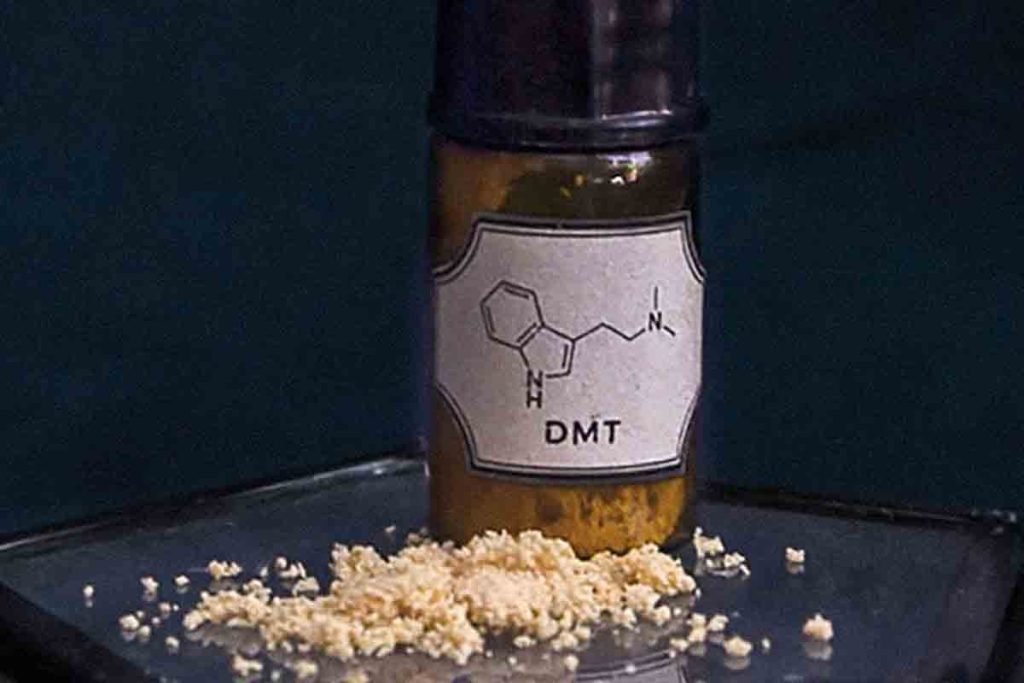
N,N-Dimethyltryptamine (DMT) is a naturally occurring psychedelic compound found in a number of plant species and produced in small amounts within the human body. It belongs to the tryptamine family and is structurally similar to serotonin, the neurotransmitter involved in regulating mood, perception, and cognition.
DMT has been used for centuries in South American shamanic traditions, most as the primary psychoactive component of ayahuasca, a ceremonial brew that combines DMT-containing plants with an MAO inhibitor to make the compound orally active. In the United States, DMT is classified as a Schedule I controlled substance, meaning the federal government considers it to have a high potential for abuse and no currently accepted medical use.
In its pure form, DMT appears as a white or yellowish crystalline powder. It has a distinct, often unpleasant odor frequently compared to burnt plastic. When vaporized or smoked, the onset of effects is remarkably fast — typically within seconds — which distinguishes it from almost every other psychedelic compound.
DMT Vape Pens: What Are They?
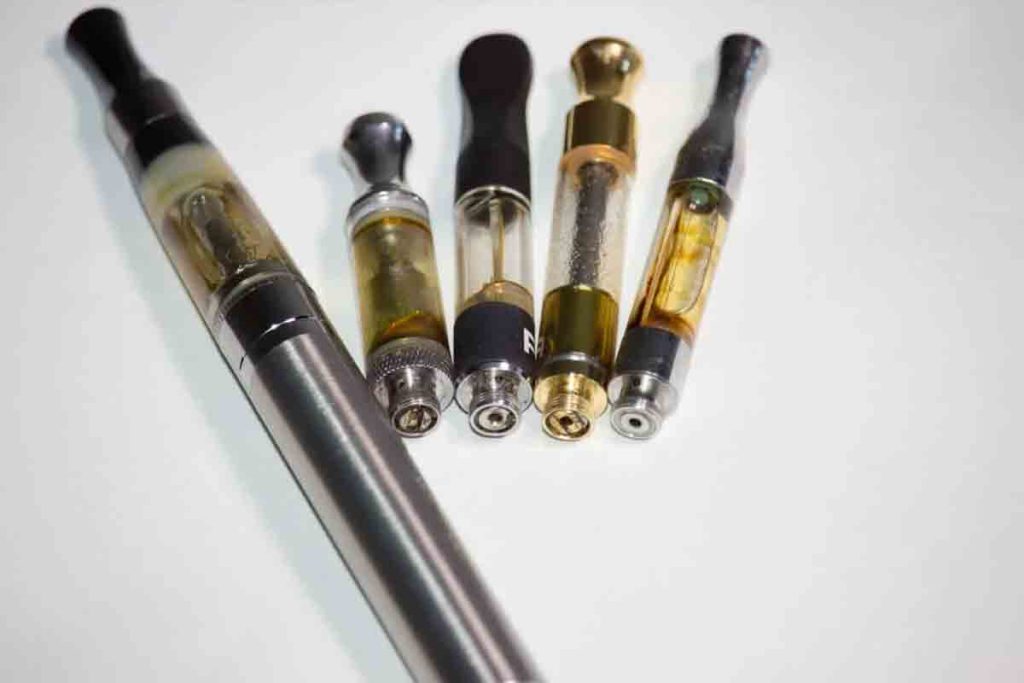
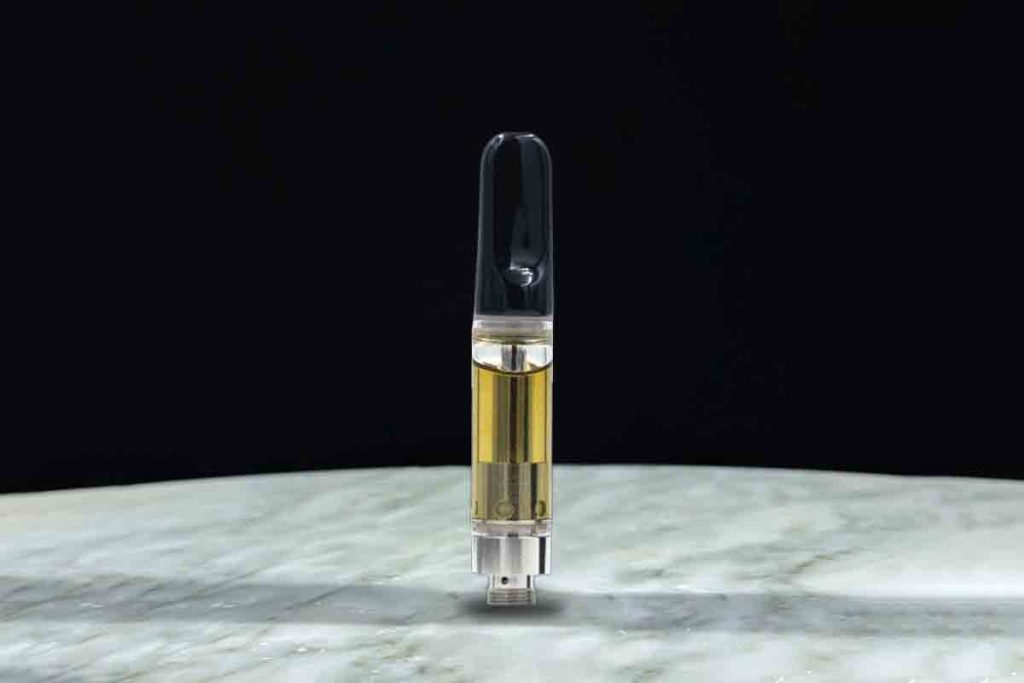
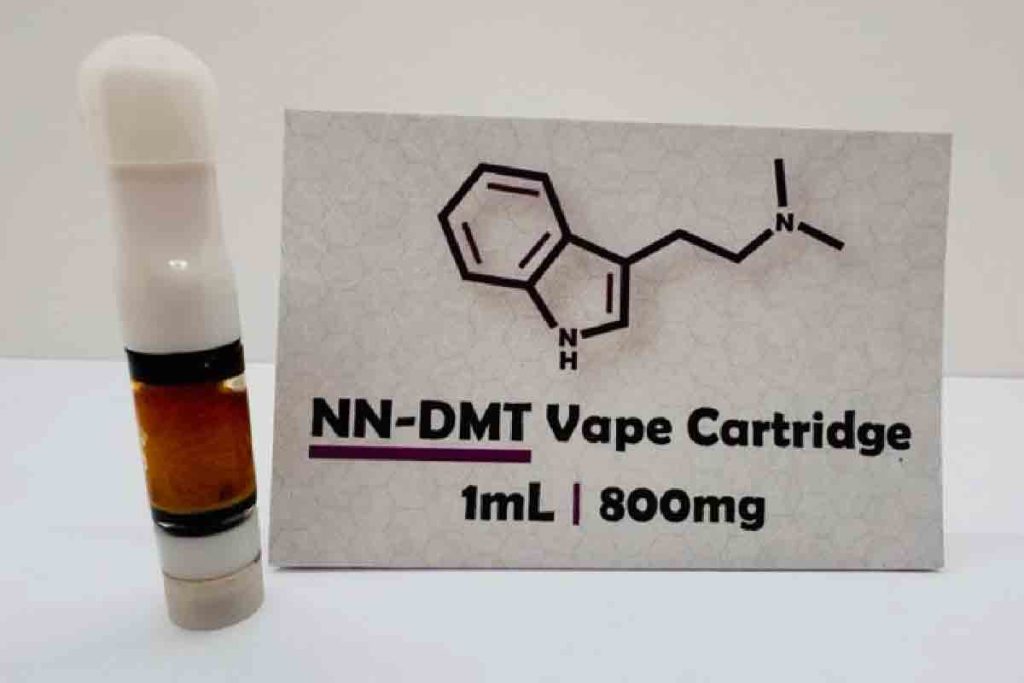
A DMT vape pen is a vaporizer device adapted to deliver DMT in inhalable form. These typically use standard 510-thread cartridges or modified e-cigarette hardware — the same form factor familiar to anyone who uses nicotine vape devices. The cartridge contains DMT (either N,N-DMT or 5-MeO-DMT) dissolved in a carrier liquid such as propylene glycol or vegetable glycerin.
The vape format differs from traditional DMT use. Ayahuasca ceremonies involve oral consumption combined with MAO inhibitors, producing a prolonged experience over several hours. Vaporized DMT, by contrast, hits almost instantly and fades quickly — typically within 20 to 30 minutes. This rapid onset and short duration is a primary reason some people find the vape format appealing.
However, the unregulated nature of this market creates serious concerns. There is no quality control, no standardized dosing, and no way for consumers to verify the purity or contents of what they are inhaling. Cartridges may contain contaminants, incorrect concentrations, or substances other than DMT entirely. This is not a minor caveat — it is a fundamental safety issue.
Effects and Duration
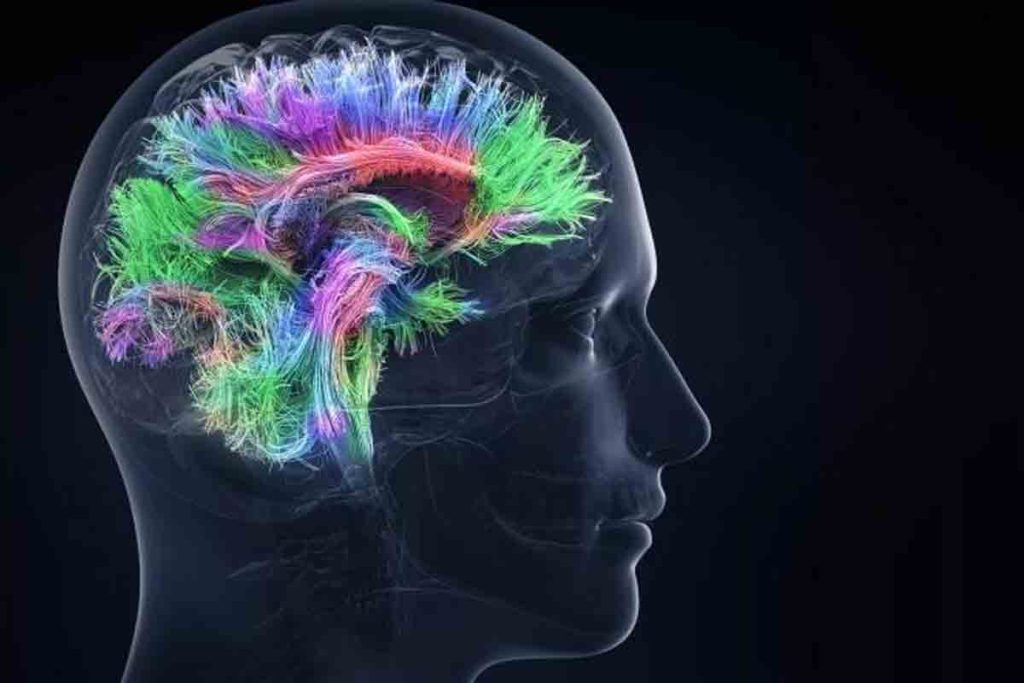
The effects of vaporized DMT are among the most intense of any psychedelic substance. Users commonly report vivid visual geometry, encounters with seemingly autonomous entities, ego dissolution (the complete“https://vapeobservation.com/what-is-a-live-resin-vape/”>complete loss of subjective self-identity), and radical distortions of time perception. The experience is frequently described as being “launched into another dimension” — so different from ordinary consciousness that many find it difficult to put into words.
The timeline varies by form and compound. Here is how the major methods compare:
| Form | Onset | Peak | Total Duration | Intensity |
|---|---|---|---|---|
| Vaped N,N-DMT | 10–30 sec | 2–5 min | 15–30 min | Very High |
| Vaped 5-MeO-DMT | 5–15 sec | 1–3 min | 10–20 min | Extreme |
| Ayahuasca (oral) | 30–60 min | 1–2 hours | 4–6 hours | Moderate–High |
Physical effects can include a rapid increase in heart rate and blood pressure, dizziness, bodily tingling or vibration sensations, and nausea. The cardiovascular effects are not trivial — they present genuine risk for people with pre-existing heart conditions.
Compared to other classic psychedelics like LSD or psilocybin, the DMT experience is far more intense but dramatically shorter. An LSD trip can last 8–12 hours; a DMT vape session is typically over within half an hour. But that brevity does not equate to mildness — many experienced psychedelic users describe vaporized DMT as the most powerful substance they have encountered.
Safety and Harm Reduction
This is the most important section of this article. DMT is not a casual substance. Regardless of the method of consumption, it produces a profoundly altered state of consciousness that can be overwhelming, disorienting, and psychologically destabilizing — especially without adequate preparation.
Set and Setting
The concept of “set and setting” — your mindset going in and the physical/social environment you are in — is critical with any psychedelic, but especially with DMT. The rapid onset of vaporized DMT leaves almost no time to adjust once the experience begins. Everything needs to be in place beforehand.
Harm Reduction Guidelines
- Always have a sitter. A trusted, sober person who can keep you physically safe and provide grounding if the experience becomes distressing. This is not optional for vaporized DMT.
- Start low, go slow. A single small inhalation is enough to produce noticeable effects. Wait several minutes before considering another. The difference between a moderate and overwhelming dose can be one or two additional hits.
- Mental health contraindications. People with a personal or family history of psychosis, schizophrenia, or bipolar disorder with psychotic features should avoid DMT entirely. The drug can trigger latent psychiatric conditions. People taking SSRIs or MAOIs should also exercise extreme caution — combining these medications with DMT can produce serotonin syndrome, a potentially life-threatening condition.
- Physical risks. DMT causes significant spikes in heart rate and blood pressure. Anyone with cardiovascular conditions — hypertension, arrhythmia, history of heart attack — faces elevated risk. There is no established safe dose for people with these conditions.
- Never mix with other substances. Combining DMT with alcohol, stimulants, or other psychedelics compounds the risks in unpredictable ways. This includes cannabis — some people report that mixing DMT with marijuana intensifies anxiety and confusion.
- Legal consequences. In the United States, DMT is a Schedule I substance. Possession can result in felony charges, significant fines, and imprisonment. A few cities have passed decriminalization measures, but these do not make DMT legal — they generally deprioritize enforcement. Federal law still applies.
The Unregulated Market Problem
Because DMT is illegal, there is no regulatory oversight of DMT vape products. Users have no way to verify the purity, potency, or even the identity of what they are inhaling. Cartridges may contain contaminants, mislabeled compounds, or dangerously concentrated doses. This lack of quality control is itself a significant harm — and it is an unavoidable reality of the current market.
DMT vs 5-MeO-DMT
These two compounds are frequently confused, but they are distinct substances with different effect profiles. N,N-DMT is the form most commonly associated with ayahuasca and the one typically found in vape cartridges. 5-MeO-DMT (5-methoxy-N,N-dimethyltryptamine) occurs naturally in the venom of the Sonoran Desert toad (Incilius alvarius) and in certain plants.
| Characteristic | N,N-DMT | 5-MeO-DMT |
|---|---|---|
| Visual effects | Elaborate geometry, entities, landscapes | Minimal visuals; often “white-out” |
| Peak intensity | Very high | Extreme — often described as more intense |
| Duration (vaped) | 15–30 min | 10–20 min |
| Character of experience | Immersive, visionary, often narrative | Ego dissolution, unity, “void” |
| Traditional use | Ayahuasca (with MAOI) | Toad venom ceremony |
The key distinction: N,N-DMT tends to produce rich, visually complex experiences with a narrative quality — users often describe encountering geometric worlds or communicating with entities. 5-MeO-DMT, by contrast, is more likely to produce a “white-out” experience characterized by total ego dissolution and a sense of merging with formless unity or the void. Many people who have tried both report 5-MeO-DMT as the more intense of the two, despite its shorter duration.
The Research: What Science Says
Research into DMT and related compounds has accelerated in recent years, driven by broader scientific interest in psychedelics as potential therapeutic tools. The Johns Hopkins Center for Psychedelic and Consciousness Research has been at the forefront, conducting studies on psilocybin for depression, end-of-life anxiety, and smoking cessation.
While most clinical research has focused on psilocybin rather than DMT, the pharmacological similarities between these compounds have generated interest in DMT’s potential therapeutic applications. A 2020 study published in Psychopharmacology examined the subjective effects of vaporized DMT in a controlled setting, contributing to the limited but growing body of empirical data.
Potential areas of therapeutic interest include:
- Treatment-resistant depression — Psychedelics have shown promise in clinical trials for depression that does not respond to conventional treatments, though DMT-specific trials remain limited.
- End-of-life anxiety — Studies on psilocybin have demonstrated significant reductions in anxiety and depression among patients with terminal illness. Researchers have speculated that DMT’s similar mechanism of action (5-HT2A receptor agonism) might produce comparable effects.
- Neuroplasticity — Preclinical research suggests that DMT may promote neuroplasticity — the brain’s ability to form new neural connections. A 2020 study in Cell Reports found that DMT promoted neurogenesis in adult mice, though human relevance remains unconfirmed.
It is important to state clearly: these findings are preliminary. DMT has not been approved for any medical use. The existing evidence, while encouraging in some areas, is far from sufficient to support clinical application. More rigorous, large-scale human trials are needed before any therapeutic claims can be made. The gap between early research and medical reality is significant.
Common Questions
Is DMT vaping legal anywhere?
No country has fully legalized DMT for recreational use. A few jurisdictions have decriminalized possession of plant-based psychedelics — including parts of Brazil where ayahuasca use is legally protected in religious contexts, and certain U.S. cities like Oakland, Denver, and Washington, D.C., where enforcement has been deprioritized. However, decriminalization is not legalization. DMT remains illegal under U.S. federal law and in the vast majority of countries worldwide.
How is DMT vape different from ayahuasca?
The core difference is pharmacokinetics. Ayahuasca combines DMT with an MAO inhibitor, which allows DMT to become orally active and extends the experience over 4–6 hours. Vaporized DMT bypasses the digestive system entirely, producing effects within seconds that fade within 20–30 minutes. The intensity of vaporized DMT at peak is generally much higher, but the experience is far shorter. Ayahuasca is also typically consumed in a ceremonial context with an experienced guide, which provides a layer of psychological safety that recreational DMT vaping lacks.
Can DMT vape cause permanent effects?
There is no conclusive evidence that a single DMT experience causes permanent physiological damage. However, psychological risks exist. Hallucinogen Persisting Perception Disorder (HPPD) — a rare condition involving persistent visual disturbances after psychedelic use — has been reported. People with predispositions to psychotic disorders may experience prolonged or triggered episodes. The long-term psychological effects of DMT, particularly when used frequently, are not well studied.
What does a DMT vape experience feel like?
Users most commonly describe a sense of being rapidly transported to an entirely different reality — often characterized by vivid geometric patterns, intense colors, and encounters with seemingly intelligent entities. Many report ego dissolution, where the boundary between self and environment disappears entirely. The experience can feel subjectively longer than its actual duration due to time distortion. Some find it deeply meaningful; others find it terrifying. The outcome is heavily influenced by set, setting, and dose.
Is DMT addictive?
Current research does not indicate that DMT produces physical dependence or withdrawal symptoms. Unlike substances such as opioids or stimulants, DMT does not appear to create compulsive use patterns. However, some individuals may develop a psychological attachment to the experience, seeking repeated access to what they perceive as spiritually significant states. Tolerance does develop rapidly — the effects diminish with repeated use over short periods — which naturally limits the frequency of use.
Harm Reduction Resources
If you are seeking more information about DMT, psychedelics, or substance-related harm reduction, the following organizations provide evidence-based resources:
- Erowid — Comprehensive, user-submitted experience reports and substance information. One of the oldest and most thorough psychedelic information resources.
- MAPS (Multidisciplinary Association for Psychedelic Studies) — Nonprofit research organization conducting clinical trials on psychedelics for therapeutic applications.
- Johns Hopkins Center for Psychedelic and Consciousness Research — Leading academic research center studying the effects and therapeutic potential of psychedelics.
- SAMHSA (Substance Abuse and Mental Health Services Administration) — Federal agency providing resources for substance use disorders. Helpline: 1-800-662-4357.
Medical Disclaimer
This article is for informational and educational purposes only and does not constitute medical advice, legal advice, or an endorsement of any substance or activity. DMT is a Schedule I controlled substance in the United States. The information presented here is based on publicly available research and harm reduction principles. If you are experiencing a mental health crisis or substance use issue, please contact a qualified healthcare professional or call the SAMHSA helpline at 1-800-662-4357.



Build your vape knowledge
Read more guides
Find explainers, how-to articles and reference material.
Open guide library →Compare vape products
Check specifications across the product database.
Open product data →Read hands-on reviews
See tested devices and documented trade-offs.
Read review coverage →