

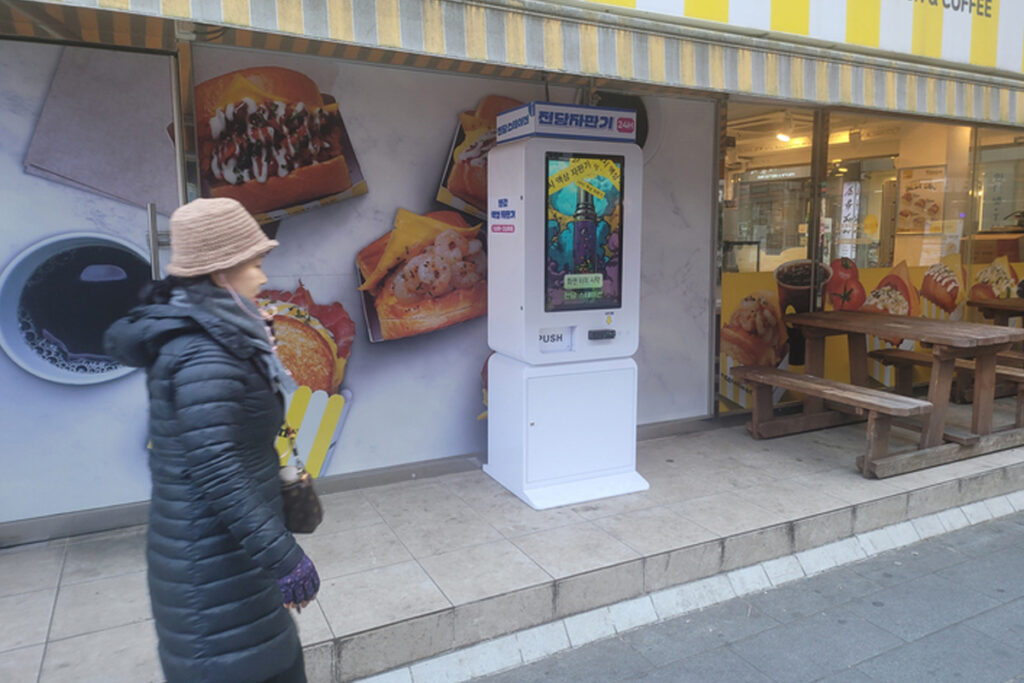
South Korea will prohibit the installation of e-cigarette vending machines within 200 meters of schools and kindergartens beginning February 15, 2026, as part of a broader push to curb youth vaping and tighten controls around nicotine access for minors.
The change comes under an amendment to the Act on the Protection of Educational Environment, promulgated on August 14, 2024. Crucially, the scope of the vending-machine ban is expanding from traditional combustible cigarette products to all nicotine-containing tobacco products, including liquid-based e-cigarettes. The protected zones are also being widened from elementary, middle, and high schools to include kindergartens, meaning vending machines will be barred within 200 meters of any such institution. Existing rules continue to apply stricter limits within 50 meters of school boundaries, where installation is fully prohibited, while installations within 200 meters require review.
Transition periods and enforcement
- Existing liquid e-cigarette vending machines located within protected education zones must pass a review by the Educational Environment Protection Committee by February 14, 2027, or they will be barred from operating.
- By February 14, 2029, any such machines must be relocated outside protected areas or shut down completely.
- Authorities are also establishing a standing reporting system to identify and act on violations more quickly, addressing past gaps where liquid e-cigarette vending machines could be installed without tobacco retail licensing.
Local checks underway in Ulsan
Ulsan Gangbuk Education Support Office said it has launched a full survey of schools in its jurisdiction to determine whether e-cigarette vending machines are present near campuses. A preliminary check of 40 schools out of 180 in the Gangbuk area found no machines installed. Officials noted two reports submitted through the new reporting channel turned out to be retail vape shops rather than vending machines—shops that current law does not prohibit outright near schools. Still, the office pledged immediate administrative action for any vending machine violations and said it is coordinating with local governments for ongoing monitoring.
Youth vaping indicators worsening
Data from the Korea Disease Control and Prevention Agency’s Youth Health Behavior Survey show the average age of first e-cigarette use among adolescents fell from 14.4 years in 2021 to 13.7 years in 2024. Youth e-cigarette use prevalence rose from 1.9% in 2020 to 3.0% in 2024. Local educators report that some middle and high school students in Ulsan have been sharing vape photos on social media, reflecting a low perception of harm. Curiosity ranks as the top driver of initiation, while easy access via vending machines near schools has been highlighted as a significant risk factor.
Why this matters for the vape industry
- Expanded definition: The law now clearly captures all nicotine-derived products, including liquid e-cigarettes, under vending restrictions.
- Retail vs. vending: While retail vape shops are not automatically barred in broader school zones, vending machines face strict prohibition and review, signaling regulators view unmanned, age-frictionless access as a priority risk.
- Compliance timelines: Operators must plan for review by 2027 and relocation or closure by 2029 if located within protected areas.
- Heightened scrutiny: The permanent reporting mechanism indicates sustained enforcement pressure and reduced tolerance for gray areas in youth access.
What to watch next
- Local ordinances: Municipalities may add complementary restrictions on retail proximity or signage near schools.
- Age verification tech: Increased regulatory support for robust ID verification could become a parallel trend for lawful retail channels.
- Public health campaigns: Expect intensified education efforts aimed at adolescents alongside the environmental restrictions.
South Korea is moving decisively to close a long-standing access gap by banning e-cigarette vending machines near schools and kindergartens, aligning policy with rising youth vaping indicators. For operators, this is a clear signal to audit locations, prepare for committee reviews, and proactively relocate machines well ahead of the 2029 deadline. For the broader category, the focus is shifting from product types to access pathways—particularly unmanned points of sale




Follow the wider vape market
Read the latest vape news
Track regulation, launches and industry updates.
Open vape news →Browse product data
Move from market news to device specifications.
Open product data →Check product reviews
Read independent testing and comparison reports.
Read review coverage →