

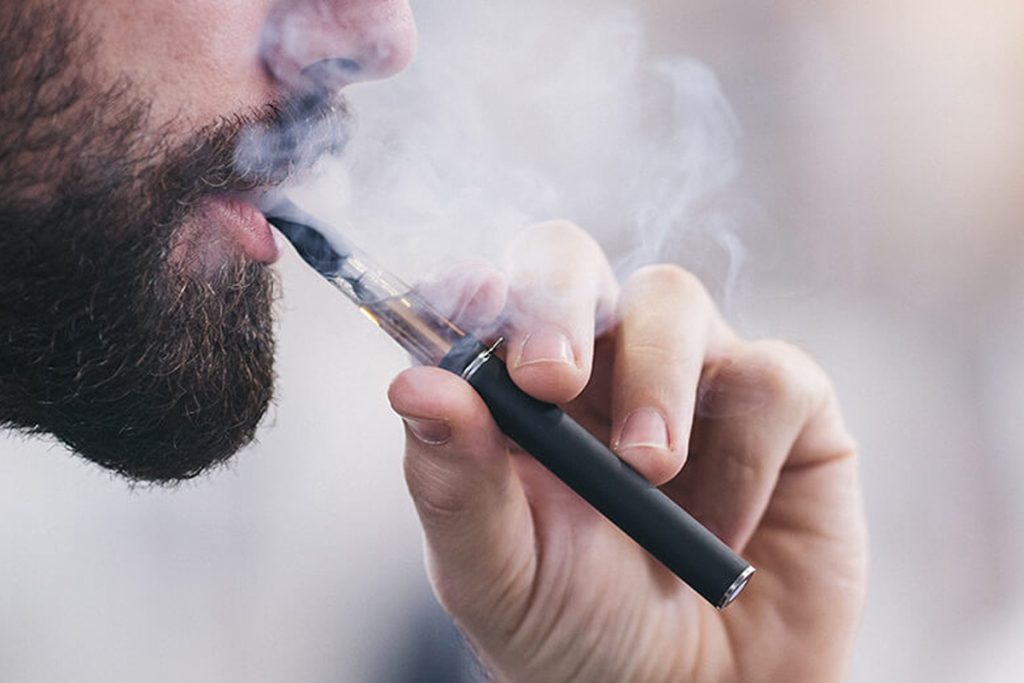
A new analytical study conducted by the Strategic Foundation of Kazakhstan has concluded that the country’s increasingly strict anti-tobacco policies over recent years have failed to deliver their intended results. Despite sweeping bans and higher penalties targeting nicotine consumption, the proportion of smokers in Kazakhstan remains stable—and in some cases, even shows signs of growth.
Escalating Control, Stagnant Results
The research, carried out between June 20 and July 17, 2025, analyzed changes in the regulation of tobacco and nicotine-containing products in Kazakhstan over the past several years. It compared these national policies to international experiences in countries that have embraced harm reduction approaches.
“We’ve found that many of the prohibitive policies simply don’t work as intended,” said Gulmira Ileuova, President of the Strategic Foundation. “The data show that bans and restrictions did not reduce the number of smokers, and in some cases—where all alternatives were restricted—they inadvertently reinforced cigarette use.”
Between 2022 and 2025, adult smoking rates in Kazakhstan fluctuated between 15% and 18%, showing no meaningful downward trend. Even in 2024, when smoking prevalence briefly dipped to 17.9%, the effect was temporary. The daily consumption of cigarettes by adult Kazakhs was recorded at nearly 12 million units per day in 2025, suggesting unchanged behavioral patterns.
The Vape Ban Effect
One major finding centers on the 2024 national ban on vaping products. Rather than encouraging people to quit smoking, the study found that over half of respondents (52%) continued vaping, 28% switched to heated tobacco systems, and 10% reverted to conventional cigarettes. Only 5% managed to quit nicotine altogether.
Moreover, the ban reshaped market dynamics: with vaping products disappearing from retail stores, they resurfaced on online marketplaces, message boards, and Telegram channels—often at inflated prices. A device that once cost 150,000 tenge now sells for 250,000 or more, limiting vape access to higher-income consumers. “Effectively, the ban made vaping a privilege for the rich and cigarettes the default for everyone else,” the report states.
International Contrast: Harm Reduction Pays Off
To highlight policy contrasts, the Foundation analyzed four countries where harm reduction strategies yielded measurable success:
- United Kingdom: Legal vaping has coincided with record-low smoking rates. Cigarette smoking dropped by roughly 41%—from 20.2% of adults in 2011 to 11.9% in 2023—as the government actively promoted vaping as a less harmful alternative.
- New Zealand: After initially banning vapes in 2022, the country reversed course when the policy failed, promoting vaping as a smoking cessation tool.
- Sweden: The “smokeless model,” centered on snus and nicotine pouches, brought daily smoking among adults down from 6.4% in 2019 to about 5% in 2024—the lowest in the European Union.
- Japan: Market-driven preference for heated tobacco products led to a 13% drop in smoking rates within six years, as cigarette sales plunged by more than half.
These examples, Ileuova noted, reflect a consistent pattern: “Harm reduction—not prohibition—produces sustainable declines in smoking prevalence.”
Myths, Missteps, and Missed Opportunities
The report also touched on emerging behavioral risks. According to Azat Mukhamediev, project coordinator at the Foundation, Kazakhstan’s harsh restrictions have contributed to misinformation. “We’re seeing a worrying trend where people start believing that hookah smoking is ‘beneficial’ compared to other forms,” he said. “When the state fails to provide clear, evidence-based communication, myths fill the gap—and that can be more dangerous than the products themselves.”
The study found parallels in other restrictive measures, such as Kazakhstan’s decade-long ban on hookahs, which did not reduce their popularity but rather pushed consumption underground.
Partial Success and a Path Forward
Despite the critical tone, researchers did highlight a few achievements: raising the legal smoking age to 21 has brought Kazakhstan in line with international standards, and eliminating open displays of cigarettes reduced product visibility in stores. The implementation of Track & Trace has improved oversight of legal product circulation.
Still, the overall conclusion remains clear: Kazakhstan’s purely prohibitionist approach has not achieved its objectives. Instead of reducing tobacco-related harm, it has shifted consumption to the black market, revived cigarette use, and deepened inequities.
“The key takeaway,” the report concludes, “is that sustainable progress against smoking requires a balanced, evidence-based framework—one that differentiates between levels of risk and gives smokers real choices.”
As the global debate between prohibition and harm reduction continues, Kazakhstan’s experience stands as a cautionary tale: without offering viable alternatives, bans alone may do more harm than good.




Follow the wider vape market
Read the latest vape news
Track regulation, launches and industry updates.
Open vape news →Browse product data
Move from market news to device specifications.
Open product data →Check product reviews
Read independent testing and comparison reports.
Read review coverage →