

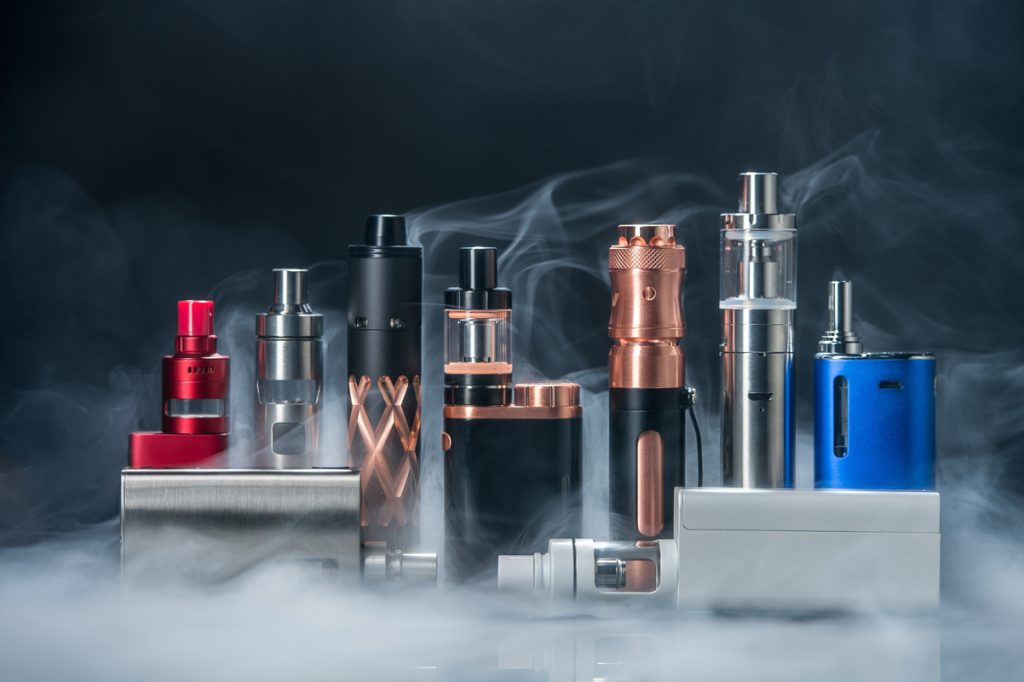
More patients are using medical marijuana than ever before. Many turn to it for help with chronic pain, anxiety, sleep issues, or appetite. And when it comes to how they use it, vaping has quickly become a top choice.
Edibles typically take 30 minutes to 2 hours to take effect. On the other hand, vaping medical marijuana delivers effects in under 15 minutes. That quick onset matters when you’re managing symptoms throughout the day.
In this guide, we’ll go over what to keep in mind when choosing a vape for medical marijuana and help you find something that fits your condition, lifestyle, and budget without compromising your health or peace of mind.
Why Vaping is a Popular Choice for Medical Marijuana Users
Vaping stands out for its simplicity, speed, and comfort, especially for medical users who don’t want the harshness of smoke or the long wait of edibles.
Studies suggest that vaping reduces the intake of toxins such as tar and carbon monoxide, which are typically found in combusted cannabis smoke. This matters for patients using marijuana frequently to manage ongoing conditions.
Another benefit is how easy it is to control your dose. Most vaporizers let you start or stop whenever you need, which helps avoid taking too much or too little. For many patients, especially those new to medical marijuana, that kind of control can make a big difference.
Key Factors to Consider Before Choosing a Vape
The best device isn’t just about features or cost. What matters most is finding something that fits your needs and feels right for you.
Your Medical Needs and THC/CBD Ratio
Start by figuring out what you’re using medical marijuana for. High-THC strains may help more with things like severe pain or appetite loss. High-CBD strains are often used for anxiety, inflammation, or seizures.
The type of vape you choose also depends on what form of cannabis you’re using. If you prefer CBD-rich flower, a dry herb vape is a good choice because it keeps the plant’s benefits intact. If you use oil blends or tinctures, a vape pen that works with cartridges might suit you better.
When you know what you need relief from, it’s easier to find a device that actually works for you.
Portability and Ease of Use
If you need something for use during the day, like at work, while running errands, or when you’re traveling, a small vape pen might be a better choice. It’s compact, easy to carry, and simple to use.
If you mostly medicate at home and want stronger effects or better vapor quality, a desktop vaporizer could be a better fit. It’s bigger, but the performance often makes up for it.
Some devices are also easier to load, clean, and maintain than others. A straightforward design is better for users with limited dexterity or low energy levels.
Temperature Control Options
The ability to set and adjust temperature is especially important when you’re looking to get the most from your strain. Cannabinoids and terpenes have different boiling points, and precise temperature settings help target specific effects.
- Low temperatures (155–180°C / 311–356°F): Best for mild, uplifting effects and flavor preservation.
- Medium temps (180–200°C / 356–392°F): Good balance between potency and taste.
- High temps (200–220°C / 392–428°F): Stronger body effects but may lose subtle flavor notes.
If you’re managing sleep or severe pain, higher temps might serve you better. For daytime use or anxiety relief, lower settings are often preferred.
Maintenance and Cleaning
No matter what kind of vape you use, buildup is normal. Dry herb vapes collect residue from the flower and oils. Concentrate pens can get sticky, and the wax might clog the airflow or damage the coil if it’s not cleaned.
Failing to clean your vape regularly not only affects the taste but also impacts your health and reduces the lifespan of your unit. Always check how easy it is to access the chamber and mouthpiece. The simpler the cleaning process, the more likely you’ll keep up with it.
Types of Vapes for Medical Marijuana
Each vape type works a bit differently. The best option depends on how you want to medicate and how involved you want to be in the process.
Dry Herb Vaporizers
These devices heat cannabis flowers without burning them. That gives you a fuller profile of cannabinoids and terpenes without inhaling smoke. Most models allow temp control, which lets users fine-tune how the flower behaves. Dry herb vapes might be a little bigger and need you to grind the flower first, but many patients like the cleaner feel and better taste. They’re a great option if you already use flowers or want the full benefits of the plant.
Concentrate Vaporizers
These vaporizers are designed for waxes and dabs, and they deliver a stronger, faster hit than dry herb vapes. Concentrates are very strong, so a small amount usually goes a long way. This makes them a good option for people who want quick and powerful relief. Some patients use them for sudden pain or when they can’t sleep. Because they’re thicker and stickier than other forms, they can be a little messier to handle.
Oil Cartridge Vape Pens
Cartridges are simple. For pre-filled ones, just connect and inhale. No setup or cleanup is required. Cartridge vape pens work fast and are easy to carry.
Refillable ones need a bit more effort. You have to fill them yourself. But you can choose what you’re using, making it cost-effective in the long run. Some have things that aren’t safe to inhale. Read the label and buy from sources you trust.
Safety and Quality: What to Look Out For
Here’s what to check to get clean, verified materials and safe internal components:
- Lab testing: The cartridge or oil should be third-party tested with a certificate of analysis (COA).
- Materials: Look for stainless steel, ceramic, or glass, not plastic, which can leach toxins at high temperatures.
- No cutting agents: Avoid oils with vitamin E acetate, polyethylene glycol (PEG), or propylene glycol (PG), which have been linked to lung injuries.
The 2019 EVALI outbreak, where hundreds were hospitalized with lung injuries, was largely tied to unregulated, black-market cartridges. Stick to dispensaries and trusted manufacturers.
Where to Buy and What to Ask
There’s no universal answer, but here’s a general rule: don’t go too cheap. Bargain vapes often skimp on build quality, use lower-grade materials, or lack consistent performance.
That said, you don’t need to spend $400 either. Many reliable, mid-tier models are available for under $150. You’re paying for safety, consistency, and features like temp control or long battery life. Keep in mind recurring costs like:
- Replacement coils or pods
- Cleaning tools or supplies
- Batteries or chargers (if not built-in)
Final Thoughts
The right vape makes your routine easier. It helps you get relief, feel more in control, and use your medicine in a way that works for you.
Start with what you know about your body and condition. Then match it with the right type of vape, such as herb, oil, or concentrate. Don’t let price or popularity dictate your decision. Let your needs and comfort guide the decision.
It doesn’t have to be fancy. It just has to work. Something that fits into your day, helps with your symptoms, and stays out of the way. That’s what matters most.



Build your vape knowledge
Read more guides
Find explainers, how-to articles and reference material.
Open guide library →Compare vape products
Check specifications across the product database.
Open product data →Read hands-on reviews
See tested devices and documented trade-offs.
Read review coverage →