

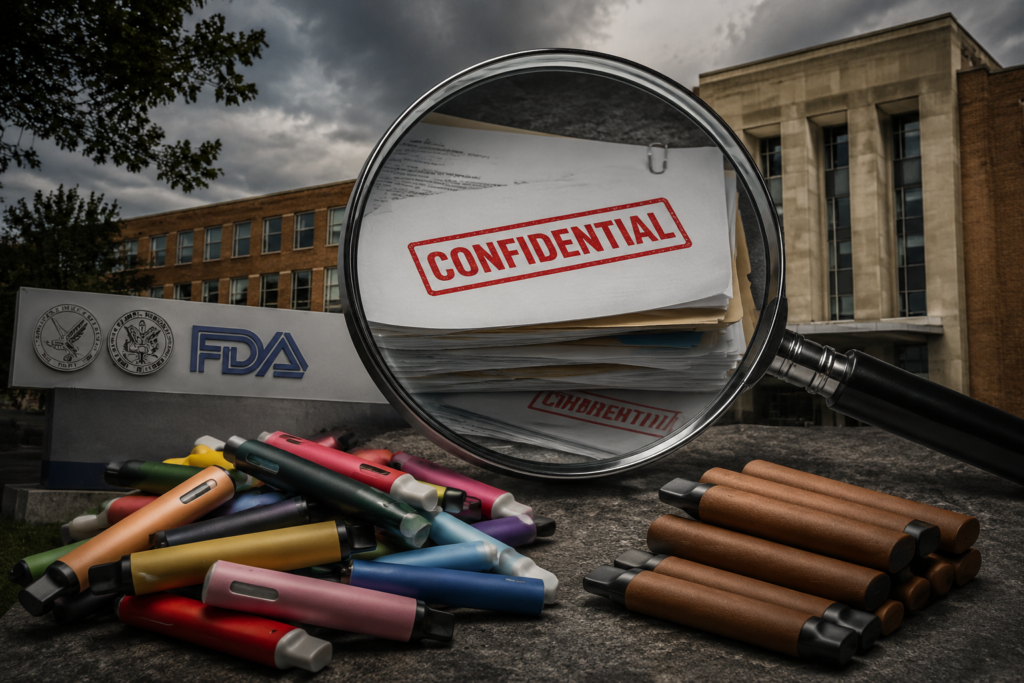
The FDA authorized the first fruit-flavored e-cigarettes for sale in the U.S. last month, but the agency’s own internal memo now reveals those products failed to show they help smokers quit any better than tobacco-flavored alternatives. The disclosure is fueling bipartisan backlash from senators, condemnation from health organizations, and raised questions about the influence of industry lobbying on regulatory decisions.
What Happened
According to FDA official records and AP News reporting, in May 2026, the FDA granted marketing authorization to Glas Inc. for a line of fruit-flavored e-cigarettes — the first time the agency approved non-tobacco, non-menthol flavors under the premarket tobacco product application (PMTA) pathway. At the time, the FDA framed the move as expanding harm-reduction options for adult smokers.
But a memo released this week tells a different story. The document acknowledges that Glas’s own data showed fruit-flavored vapes were not significantly better at helping smokers completely switch from cigarettes compared to tobacco-flavored products. In PMTA review standards, a product must demonstrate a net public health benefit. The memo’s language suggests Glas met a lower evidentiary bar than products previously authorized, such as Juul’s and NJOY’s menthol offerings.
For vapers and smokers considering a switch, this development creates confusion rather than clarity. The FDA’s authorization originally signaled that these fruit-flavored products had met a scientific threshold. The memo undercuts that signal:
- If you’re a smoker looking to quit: The FDA’s own data now says fruit flavors don’t give you a meaningful advantage over tobacco flavors in switching away from cigarettes. Both options appear roughly equally effective — or ineffective.
- If you’re a parent: Youth vaping remains a concern. Nearly 6% of middle and high school students — 1.63 million kids — reported using e-cigarettes in 2024, and 89% chose flavored products, according to CDC data. The authorization of fruit flavors runs counter to years of FDA messaging that sweet flavors attract underage users.
- If you’re already vaping: Nothing changes immediately. The authorized products remain legal for sale to adults 21 and older. But future policy shifts could affect product availability.
The Political Backlash
Ten U.S. senators, led by Richard Blumenthal (D-CT) and Jeff Merkley (D-OR), sent a letter to the FDA demanding an explanation for the decision. The American Lung Association condemned the authorization, with President and CEO Harold Wimmer stating the organization “condemned FDA’s decision to authorize flavored e-cigarette products, particularly fruit flavors, that clearly appeal to kids.”
Parents Against Vaping issued a statement calling the authorization “disappointing and dangerous.” The group noted that the FDA had previously argued for years that fruit and dessert flavors were a primary driver of youth uptake.
This isn’t the first FDA vape controversy in 2026. In May, FDA Commissioner Marty Makary resigned over the agency’s pivot toward authorizing more flavored vape products. At least five senior health officials have departed the agency this year amid concerns about political pressure from the vaping industry and the Trump administration.
The Industry Context
The FDA authorization comes amid a broader shift in U.S. tobacco policy. In May, the FDA issued new enforcement guidance that critics called a “get out of jail free card” for manufacturers selling unauthorized vapes and nicotine pouches. Internal FDA staff were blindsided by the guidance, according to CNN reporting.
The e-cigarette market continues to grow. Global sales reached an estimated US$48.2 billion in 2026, with disposable devices now accounting for 57.7% of total unit sales in the U.S., up from 25.9% in 2020, according to Tobacco Monitoring data. Non-tobacco-flavored products represent a growing share of that market.
Meanwhile, convenience store chains Casey’s General Stores and Yesway both reported that nicotine products delivered “outsized performance” in recent quarters, according to earnings calls covered by CSP Daily News.
- For adult smokers: If you’re using e-cigarettes to quit, evidence suggests the flavor itself isn’t the key factor — switching completely is what matters. Choose whichever flavor helps you stay off cigarettes.
- For parents: The AP published a practical guide for talking to teens about vaping in light of the FDA decision. Key advice: focus on open conversation rather than scare tactics, and be aware that fruit and candy-flavored products remain the most popular among underage users.
- For retailers: Monitor state-level flavor restrictions — California’s AB762 disposable vape ban is advancing through the legislature, and enforcement landscapes differ by state.
- What to watch next: The Senate inquiry into FDA’s authorization process, potential litigation from health organizations, and whether the 5th Circuit’s ongoing review of FDA flavor denial orders will force further policy changes.
Keep Reading
FDA Authorized Vapes List: Every Legal E-Cigarette in the U.S. | FDA’s New Vape Enforcement Policy: Which E-Cigarettes Won’t Get Pulled | Vaping Regulations in the United States: Complete 2026 Guide




Follow the wider vape market
Read the latest vape news
Track regulation, launches and industry updates.
Open vape news →Browse product data
Move from market news to device specifications.
Open product data →Check product reviews
Read independent testing and comparison reports.
Read review coverage →