

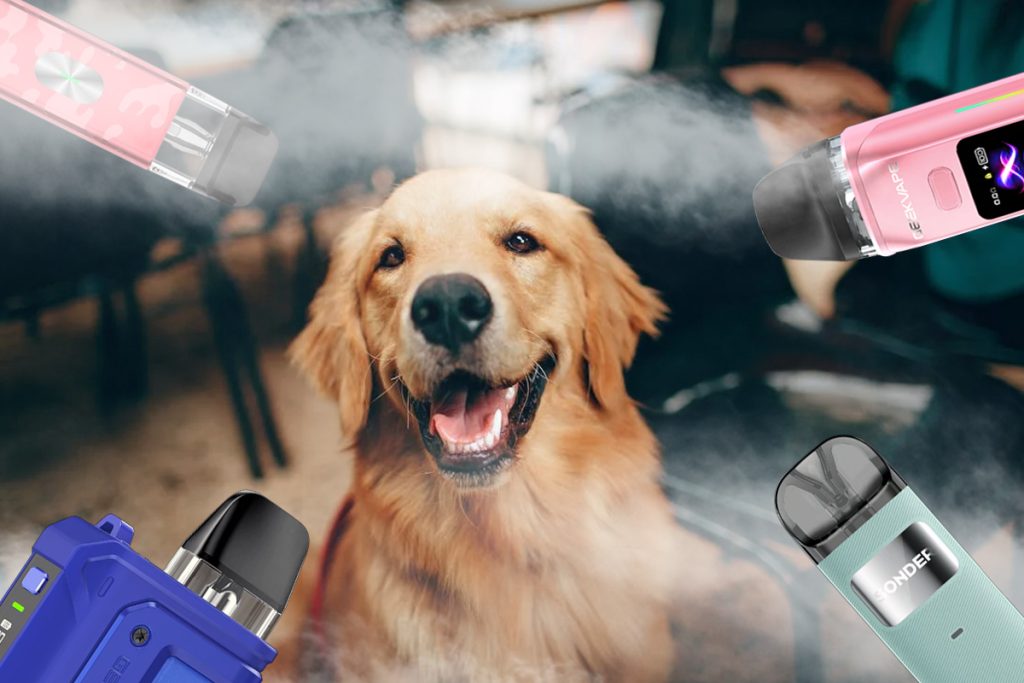
You’re relaxing with your vape, and your dog is curled up nearby. Seems normal enough, right? But if you’re wondering whether that cloud of aerosol can give your dog a “high” — the answer is no. What looks like a spaced-out state is actually poisoning, and it can turn dangerous fast.
This guide covers what actually happens when a dog breathes in vape smoke, the critical differences between THC and nicotine exposure, what the latest veterinary research reveals about e-liquid toxicity, and the practical steps you need to take to protect your pet. Let’s get into it.
Does a Dog Get “High” From THC Vape Smoke? Not in Any Safe Way
The word “high” implies something enjoyable — a pleasant buzz, a mellow feeling. That’s a human experience. For dogs, THC triggers something entirely different: a toxic reaction that can last up to 72 hours and land them in the emergency vet.
Why Dogs Are More Vulnerable to THC Than Humans
Dogs have a higher concentration of cannabinoid receptors (CB1) in their brains compared to humans, particularly in the cerebellum and brainstem, the areas that control coordination, balance, and autonomic functions. This heightened receptor density means even a small amount of THC that would barely affect a human can overwhelm a dog’s neurological system.
Instead of euphoria, dogs experience what veterinarians call THC toxicosis: a state of distress and poisoning. Symptoms typically appear within 30 minutes to a few hours and may persist for 24 to 72 hours:
- Ataxia: That staggering, “drunk” walk where your dog can’t coordinate their legs
- Urinary incontinence: Involuntary dribbling, a hallmark sign of THC toxicity in dogs
- Vomiting: The body trying to expel the toxin
- Disorientation and confusion: Your dog may seem lost, unresponsive, or unable to recognize you
- Hypersalivation: Excessive drooling far beyond normal panting
- Vocalization: Whining, crying, or uncharacteristic barking
- Lethargy or agitation: Drastic energy swings, either completely listless or suddenly frantic
- Heightened sensitivity: Startling at movements or sounds that normally wouldn’t bother them
- Dilated pupils: Unusually large, unresponsive to light changes
- In severe cases: Tremors, seizures, and coma
Any THC exposure in a dog is a medical emergency. Don’t wait to see if symptoms improve on their own.
Nicotine Vape Smoke and Dogs: A Faster, More Lethal Threat
While THC toxicity is serious, nicotine presents an even more immediate danger. It’s in the vast majority of vaping products. Nicotine is a potent neurotoxin for dogs, and the latest research has updated our understanding of how dangerous it really is.
Updated Toxicity Data: What the 321-Case Study Reveals
Previous veterinary references often cited a nicotine lethal dose of 9–12 mg/kg for dogs (a figure sourced from the American Lung Association, not a veterinary toxicology authority). But a landmark 2025 study published in the Journal of Small Animal Practice (Bates et al.) reviewed 321 real-world cases of e-cigarette and e-liquid exposure in dogs from 2011–2024, using the Veterinary Poisons Information Service (VPIS) database.
Key findings:
- The median oral nicotine dose was 2.6 mg/kg — well below the previously cited lethal threshold
- 94.4% of exposed dogs remained well or developed only mild signs
- The most common e-liquid nicotine strength was 18 mg/mL (19.3% of cases)
- Severity of clinical signs was not directly related to the reported dose — meaning even “small” exposures can produce unpredictable reactions
More conservative veterinary sources give these ranges:
- Toxic dose: 1–2 mg/kg (Ask A Vet, Dr. Houston BVSc, 2025)
- Lethal dose: 8–10 mg/kg
What this means in practice: a single e-liquid cartridge containing 6–24 mg of nicotine can deliver a toxic or even lethal dose to a small dog. A 30mL bottle of vape juice at 36 mg/mL concentration contains 1,080 mg of nicotine total. Enough to kill multiple dogs.
Why E-Liquid Is More Dangerous Than Cigarettes
Nicotine from e-liquid is absorbed through a dog’s oral tissues faster than nicotine from traditional cigarettes, according to the ASPCA Poison Control. This means symptoms develop more rapidly and with greater intensity.
The sweet smells and flavors of vape juice (fruit, candy, vanilla) attract curious dogs. They’ll lick up spills, chew on cartridges, and gnaw on disposable vapes. Ingestion delivers a far higher dose than inhalation, and the concentrated nicotine in e-liquid hits fast.
Symptoms of nicotine poisoning appear within 15–60 minutes:
- Vomiting and diarrhea
- Agitation, restlessness, or hyperactive pacing
- Elevated heart rate and blood pressure
- Panting and difficulty breathing
- Excessive drooling
- Tremors and seizures
- Weakness and collapse
- In severe cases: cardiac arrest and death
The Invisible Dangers: Secondhand and Thirdhand Vape Smoke
The risk doesn’t end when you stop exhaling aerosol. Two types of ongoing exposure threaten your dog even after the visible cloud disappears.
Secondhand Vape Aerosol: Direct Inhalation Damage
Secondhand vape smoke is not harmless water vapor. It’s a mixture of fine and ultrafine particles carrying nicotine, volatile organic compounds, heavy metals from the device itself, and other chemical irritants. When your dog inhales this aerosol, those particles penetrate deep into their respiratory system.
Effects include:
- Respiratory irritation: Coughing, wheezing, shortness of breath
- Exacerbation of existing conditions: Dogs with asthma or bronchitis can suffer severe flare-ups
- Allergic reactions: Skin irritation, itching, and respiratory distress from chemical sensitivities
Thirdhand Vape Residue: The Hidden, Accumulating Danger
Thirdhand vapor is the sticky chemical residue that settles on surfaces long after the aerosol dissipates. It clings to furniture, carpets, your dog’s bedding, toys, and fur. Their food and water bowls too.
Dogs lick themselves, their toys, and surfaces around the house. Every lick can ingest nicotine and chemical residue. This chronic, low-level exposure accumulates over time and can contribute to:
- Long-term respiratory conditions: Chronic bronchitis, persistent allergies
- Increased cancer risk: Similar to the elevated oral tumor risk seen in cats from thirdhand tobacco smoke exposure
- Gradual organ damage: Cumulative toxicity affecting liver, kidney, and cardiovascular function
The Toxic Ingredients in E-Liquids: Beyond Nicotine and THC
Nicotine and THC aren’t the only threats. The base ingredients and additives in e-liquids carry their own risks for dogs:
Propylene Glycol (PG)
The FDA categorizes PG as “generally recognized as safe” for dogs in small, ingested amounts. But inhalation of concentrated PG from vape aerosol is a different story. The Pet Poison Helpline notes that high-level PG exposure can cause health issues in dogs, though cats face far greater vulnerability (see our companion article on cats and vape smoke).
Vegetable Glycerin (VG)
VG is generally safe for dogs to ingest in small quantities. But large amounts (like what a dog might consume by chewing through a bottle of e-liquid) can cause digestive upset, particularly diarrhea.
Flavoring Agents and Xylitol: A Critical Warning
The long-term effects of inhaling e-liquid flavorings are largely unknown for both humans and pets. But one specific danger is clear: xylitol. The ASPCA warns that some nicotine gums, pouches, and potentially vape products contain xylitol as a sweetener. Xylitol causes a rapid, dangerous drop in blood sugar and can trigger liver failure in dogs. This is not a theoretical risk. It’s a documented, life-threatening hazard.
New and Emerging Ingredients
The ASPCA also reports that some vape products now contain hallucinogenic mushroom derivatives, kratom, or caffeine stimulants. These can cause a range of effects in dogs: from sedation and disorientation to agitation, hyperactivity, seizures, and dangerous heart rhythm abnormalities.
Essential Oil Vapes: “Natural” Doesn’t Mean Safe
Some pet owners switch to essential oil vapes or diffusers, thinking “natural” means safer. It doesn’t. A dog’s respiratory system and sense of smell are thousands of times more sensitive than yours. Many essential oils that smell pleasant to humans are toxic to dogs.
According to veterinary sources including Coralville Animal Hospital, these oils are toxic to dogs whether inhaled, applied to skin, or ingested:
- Tea tree (melaleuca)
- Pine
- Wintergreen
- Cinnamon
- Citrus (lemon, orange, grapefruit)
- Peppermint
- Ylang-ylang
The microscopic droplets dispersed by diffusers and vapes can cause aspiration pneumonia and other toxic effects. Symptoms include respiratory distress, drooling, vomiting, and neurological signs like stumbling or tremors.
How to Protect Your Dog: Actionable Steps
Prevention is the most effective strategy. Here’s what you should do:
- Vape outdoors, away from your dog. This is the single most impactful step you can take.
- Lock up all vape products. Devices, e-liquid bottles, cartridges, and disposables go in a sealed container inside a locked cabinet. Not on a counter. Not on a nightstand. Not in an open drawer.
- Dispose of used products securely. Empty cartridges and bottles go in sealed, pet-proof trash containers. Dogs will find them in open trash.
- Maximize ventilation if indoor vaping is unavoidable. Open windows, run HEPA air purifiers, and never vape in the same room as your dog.
- Wash your hands after vaping. Soap and water, every time, before touching your dog, their food, or their toys.
- Clean spills immediately. E-liquid absorbs through skin (both yours and your dog’s). Wipe it up and throw away the contaminated material safely.
- Watch for behavioral changes. If your dog shows any unusual symptoms after you’ve vaped near them, don’t dismiss it. Call your vet.
Emergency Plan: What to Do If Your Dog Is Exposed
If you suspect your dog has ingested e-liquid or is showing signs of toxicity from vape smoke, act immediately:
- Call your vet or a poison hotline right now:
- Pet Poison Helpline: (855) 764-7661
- ASPCA Animal Poison Control: (888) 426-4435
- Gather the product information. Have the e-liquid bottle or device handy. Tell the vet the brand, nicotine strength (mg/mL), flavor, whether it contains THC or CBD, and your dog’s approximate weight.
- Do NOT induce vomiting unless a vet tells you to. E-liquid is caustic. Vomiting can cause additional damage to the esophagus and oral tissues.
- Transport to the vet immediately. Don’t wait for symptoms to “settle.” Nicotine toxicity escalates fast.
Veterinary treatment may include: decontamination (stomach lavage under sedation), activated charcoal to bind toxins, IV fluids to flush the system, seizure control medications, and 24–48 hour monitoring for heart rate, blood pressure, and neurological status.
Prognosis is good if treated within 4 hours. The body typically clears nicotine within 16 hours. But timing is everything. Delayed treatment increases the risk of severe complications and death.
Frequently Asked Questions
Can a dog get high from secondhand vape smoke?
No. Dogs don’t experience a “high” from secondhand vape aerosol. They can experience toxic effects ranging from respiratory irritation to severe poisoning. The symptoms depend on what’s in the vape (THC, nicotine, or other substances) and how much exposure occurs.
How long do the effects of vape smoke last in a dog?
THC toxicity symptoms can persist for 24–72 hours. Nicotine poisoning symptoms typically develop within 15–60 minutes and the body clears nicotine within about 16 hours. However, complications from severe exposure (organ damage, neurological effects) may require longer recovery.
Is it illegal to vape around your dog?
There’s no specific law making it illegal to vape around your dog. But causing harm to an animal through negligent exposure could potentially fall under animal cruelty or neglect statutes in some jurisdictions.
What are the long-term effects of vape smoke on dogs?
Long-term effects are still being studied, but known risks include chronic respiratory conditions (asthma, bronchitis), persistent allergies, and increased cancer risk, similar to the documented dangers of secondhand tobacco smoke for pets.
Can vape smoke kill a dog?
Yes. Ingesting e-liquid containing nicotine can cause rapid, severe poisoning leading to death. A lethal dose of nicotine for dogs starts around 8–10 mg/kg. High doses of THC can also cause life-threatening complications. The 2025 VPIS study of 321 cases confirmed that while most exposures resulted in mild outcomes, severe and fatal cases do occur (Bates et al., JSAP 2025).
Are there any dog-safe vapes?
No. All forms of vaping produce aerosols containing chemicals harmful to dogs. “Nicotine-free” vapes still contain PG, VG, and flavorings. “Herbal” vapes may contain toxic essential oils. The only safe approach is keeping all vape products and aerosol away from your dog.
Conclusion
Does a dog get high from vape smoke? Absolutely not. What might look like a spaced-out state is THC toxicosis or nicotine poisoning. Both are medical emergencies that can escalate to seizures, organ failure, and death. The latest veterinary research (321 real-world cases studied in 2025) confirms that e-liquid exposure in dogs is unpredictable: even doses below the traditionally cited lethal threshold can produce serious symptoms, while some higher-dose exposures result in only mild effects.
From THC’s neurotoxic assault on a dog’s cannabinoid-dense brain to nicotine’s rapid cardiovascular and neurological damage, from the secondhand aerosol particles penetrating your dog’s lungs to the thirdhand residue they lick off every surface. Vaping around your dog carries real, documented, preventable risks. Protecting them isn’t complicated: vape outside, lock up your products, wash your hands, and watch for warning signs. Your dog’s health is worth those small adjustments.
—
Sources:
Related Reading
- Does Vaping Stunt Growth? — Adolescent health research.
- ASPCA Poison Control — Can Vaping Products Harm My Pet?
- Pet Poison Helpline — Nicotine Toxicity
- Ask A Vet (Dr. Duncan Houston BVSc, 2025) — Nicotine Poisoning in Dogs and Cats
- Bates et al. (2025) — E-cigarette or e-liquid exposure in dogs: 321 cases (2011–2024), Journal of Small Animal Practice
- VCA Animal Hospitals — E-Cigarettes and Pet Safety
- PetMed AI — Propylene Glycol Toxicity in Cats (companion reference for PG species-specific data)
- FDA — E-cigarette regulation and ingredient monitoring




Build your vape knowledge
Read more guides
Find explainers, how-to articles and reference material.
Open guide library →Compare vape products
Check specifications across the product database.
Open product data →Read hands-on reviews
See tested devices and documented trade-offs.
Read review coverage →