

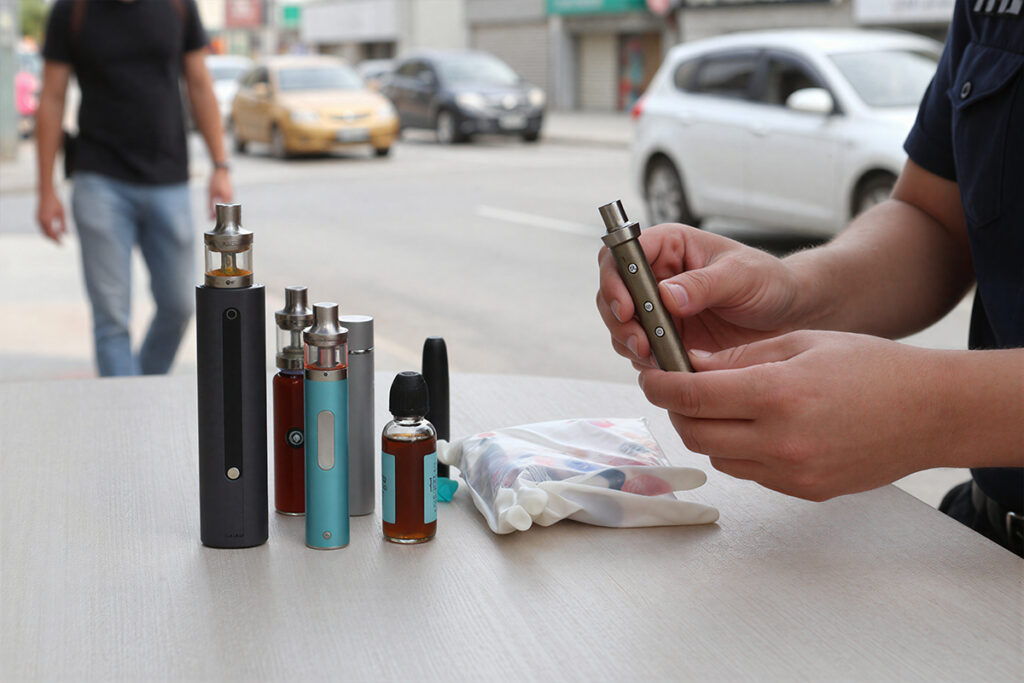
Uzbekistan is moving into one of the region’s strictest anti-vape regimes. From March 1, a sweeping ban on the circulation of electronic nicotine delivery systems (ENDS) will take effect, criminalizing the legal sale, storage, and import of vape devices and related products. The local outlet Spot, which spoke in detail with key industry participants, reports that businesses are scrambling to reinvent themselves while analysts warn that the country may be preparing the ground for a rapid expansion of illicit trade.
The law’s language, as described by Spot, is uncompromising: import channels are shut, retail becomes illegal, and even possession in a commercial context becomes a legal liability. For ordinary consumers, the only clearly legal off-ramp described in the reporting is voluntary surrender—handing prohibited devices over to law enforcement to avoid potential prosecution.
A distributor and market founder interviewed by Spot added a crucial timeline detail: the import “freeze” was already a reality at the start of 2025. In other words, the market has been operating on borrowed time—selling down warehouse inventory rather than replenishing supply. This matters because it suggests that Uzbekistan’s vape market has not been simply “banned overnight.” It has been gradually strangled, and March 1 formalizes what has already been unfolding in practice.
That said, the psychology of prohibition appears to be hitting consumer behavior hard. Amid rumors of severe penalties, the source told Spot that purchasing activity has fallen by roughly 50% compared with the market’s 2023 highs. In a tightly policed environment, fear itself becomes a form of regulation—often more effective in the short term than enforcement capacity.
Industry players interviewed by Spot argue that the state is trading a visible, taxable market for an invisible one. The distributor’s assessment is blunt: eliminating a transparent retail ecosystem primarily benefits smugglers, who can extract premium margins from a large existing consumer base. The fiscal consequence is equally direct—tax revenue evaporates, while enforcement costs increase.
Retailers are not waiting to find out how aggressively the ban will be implemented. Spot documents a fast pivot by large suppliers toward products that remain legal—heated tobacco systems and premium combustible cigarettes. Vape shops, too, are rebranding at speed. Some have reportedly transformed into youth-oriented food and beverage spaces, stocking coffee, fast food, and trendy Asian snacks where nicotine liquids used to be.
The direction of these pivots is telling. When a nicotine category is banned, consumer demand doesn’t necessarily disappear—it migrates. Businesses that can legally follow that demand often do, and in this case the “safe” direction appears to be toward traditional tobacco or tobacco-adjacent formats. In a public health framing, that outcome is not neutral: a policy aimed at removing one nicotine product category may end up strengthening the commercial position of combustibles or heat-not-burn products, depending on what remains permissible and accessible.
Across Spot’s interviews, one shared expectation stands out: a sudden removal of a widely demanded product is likely to trigger a wave of unregulated substitutes. In their view, authorities will face an uphill battle against low-quality, potentially hazardous counterfeit devices and liquids—especially if supply chains are pushed into informal channels that are harder to monitor.
Vape Observation Commentary: Prohibition Without a Regulated Alternative
Uzbekistan’s decision reflects a global policy split. Some governments attempt to control vapes through standards, taxation, age verification, licensing, product registration, and enforcement against noncompliant sellers. Others choose outright bans. The core question is not whether vapes carry risks—they do—but whether prohibition is the most effective tool to reduce harm and youth uptake without generating worse side effects.
Spot’s reporting highlights three predictable dynamics that often follow “total bans” in consumer markets:
First, demand becomes a black-market opportunity. When legal supply ends but a user base remains, the market doesn’t vanish—it becomes more profitable for illegal actors. That profit motive supports smuggling networks and counterfeit manufacturing, and it tends to outpace enforcement resources.
Second, product safety becomes harder—not easier—to control. Regulation can require ingredient disclosure, manufacturing standards, child-resistant packaging, and penalties for noncompliance. Illicit markets offer none of that. If Uzbekistan’s ban leads to a surge in counterfeit liquids or unsafe batteries, the public health burden could shift from “regulated risk” to “unbounded risk.”
Third, consumer substitution can undermine policy goals. If adult vapers move to combustible cigarettes because they are legal and available, the policy may inadvertently steer nicotine consumption toward products widely recognized as more harmful. Even a partial shift could reshape the country’s nicotine landscape for years.
None of this guarantees failure; enforcement intensity and border control can matter. But Spot’s timeline detail—imports effectively halted since early 2025—suggests supply pressure is already real, and yet the expectation among industry participants is not “cessation,” but “migration.” That is a warning sign policymakers should take seriously.
If the objective is youth protection, the most durable solutions typically target access and product design: strict age enforcement, retailer licensing with real penalties, limits on marketing, and product standards that reduce appeal to minors while preserving pathways for adult smokers to move away from combustible tobacco. If the objective is total nicotine abstinence, prohibition is philosophically consistent—but it should come with a realistic assessment of enforcement capacity and a plan to mitigate illicit trade and product safety hazards.
March 1 is not just a legal date on Uzbekistan’s calendar. It is a stress test of whether nicotine demand can be legislated out of existence—or whether it will simply move into the shadows, where neither the state nor consumers have meaningful control.




Follow the wider vape market
Read the latest vape news
Track regulation, launches and industry updates.
Open vape news →Browse product data
Move from market news to device specifications.
Open product data →Check product reviews
Read independent testing and comparison reports.
Read review coverage →