

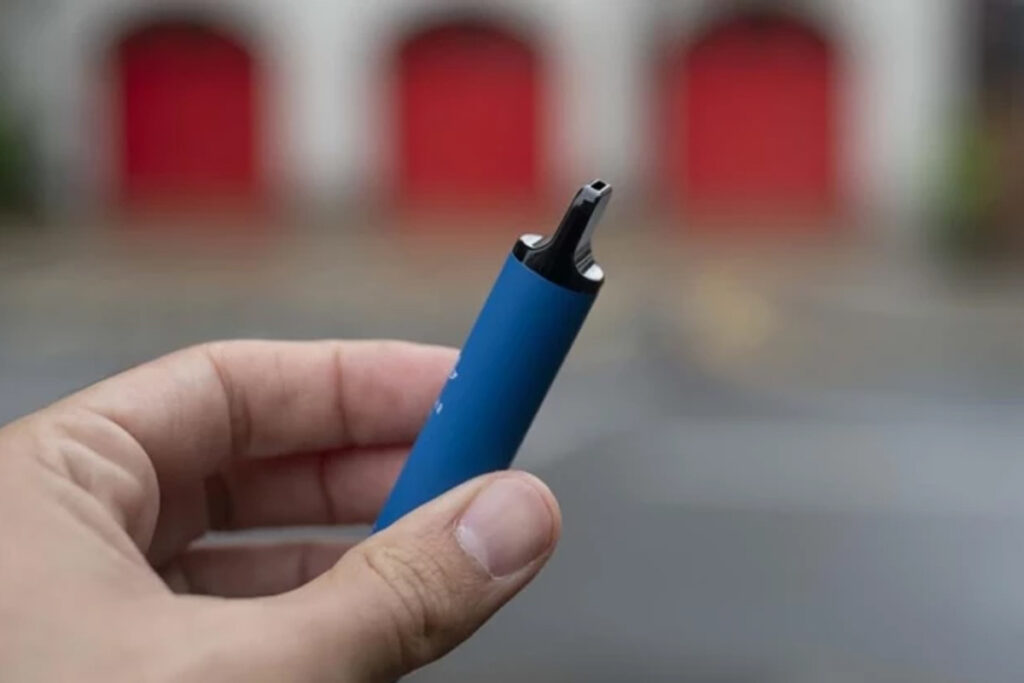
Syria has introduced a sweeping prohibition on electronic cigarettes, banning their production, distribution, sale, and use, according to statements carried by the state news agency SANA.
Rıdvan es-Sevvak, head of health affairs in Damascus, said the decision was driven by concerns over the health risks associated with vaping and was framed as a public-health measure aimed particularly at protecting children and adolescents. Authorities, he added, have intensified inspections across the city to curb the spread of e-cigarettes and prevent wider adoption.
Sevvak linked e-cigarette use to certain lung diseases and argued that the easy availability of vaping products can increase the risk of nicotine dependence. In his view, that dependence may also serve as a pathway toward conventional cigarette smoking over time—an argument frequently used by regulators globally when tightening restrictions on youth-accessible nicotine products.
Enforcement measures described by Sevvak include the confiscation and destruction of products found in violation of the ban, as well as the initiation of legal procedures against involved businesses. For first-time offenses, authorities plan to impose a three-day closure on the premises. Repeat violations will bring longer shutdowns, he said, with inspection activity further increased citywide.
The announcement signals an escalation in Syria’s regulatory posture toward nicotine alternatives, moving beyond partial restrictions into an outright ban covering the entire supply chain and end-user consumption.
Vape Observation Commentary: A Total Ban Is a Blunt Tool—And It Rarely Ends the Market
Syria’s decision reflects a growing trend in some markets: when regulators see rapid uptake of new nicotine products—especially among young people—the instinct is to prohibit rather than regulate. The stated goals in this case are understandable. Few public-health authorities want a new vector of nicotine dependence, and youth-focused messaging resonates politically. But total bans tend to create outcomes that are harder to manage than the problem they are designed to solve.
First, prohibition doesn’t eliminate demand—it shifts it. If adult consumers already use vaping products, a ban typically pushes purchasing into informal channels where product standards, nicotine labeling, and contamination controls are absent. The enforcement approach described—confiscation, destruction, and business closures—may reduce visible retail availability, yet it can also accelerate the migration toward untraceable supply lines. That is precisely where risks multiply: counterfeit devices, adulterated e-liquids, unknown nicotine concentrations, and unsafe batteries become more common.
Second, the health argument deserves a more precise framing. Vaping is not risk-free, and lung injury cases have been documented internationally. However, public policy that treats all nicotine products as equivalent often misses the core harm-reduction debate: for adult smokers who would otherwise continue smoking combustible cigarettes, regulated vaping products are widely viewed in many countries as potentially less harmful than continued smoking—though outcomes depend heavily on product quality, user behavior, and market controls. A ban removes the possibility of building a regulated pathway that differentiates adult cessation or switching from youth initiation.
Third, the “gateway to smoking” concern remains contested. Some evidence suggests correlations between youth vaping and later smoking, while other analyses emphasize shared risk factors and broader social determinants. Regardless, policy can be designed to address youth uptake without banning adult access. Tools such as strict age verification, retailer licensing, flavor and marketing restrictions, limits on nicotine concentration, enforcement against sales to minors, and public education campaigns have been used elsewhere with varying degrees of success. These approaches are not easy—but they are targeted.
Syria’s crackdown may achieve a short-term reduction in public visibility of vaping products. The longer-term test will be whether authorities can prevent an underground market from becoming the dominant supply route. If illicit trade expands, the country could end up with less control over product safety and youth access than it had under a regulated framework.
In the end, the key question is not whether vaping carries risks—it does. The question is whether prohibition is the most effective way to reduce those risks in real-world conditions. History suggests it rarely is.
For related coverage, see our article on Azerbaijan’s move to ban e-cigarettes entirely.




Follow the wider vape market
Read the latest vape news
Track regulation, launches and industry updates.
Open vape news →Browse product data
Move from market news to device specifications.
Open product data →Check product reviews
Read independent testing and comparison reports.
Read review coverage →