
You’re mid-vape session, and out of the corner of your eye, you spot them: tiny air bubbles rising from the wick holes of your coil. Or maybe you just topped off your tank and now the e-liquid looks almost carbonated. Is something wrong? Should you panic?
Relax. Most of the time, air bubbles in e-liquid are completely normal, and some are even a sign that your hardware is working exactly as intended. But not all bubbles are created equal. A few small ones after a puff? Good. A large, stubborn bubble that won’t budge from the wick? That could spell trouble.
This guide breaks down why air bubbles appear in your vape juice, which ones you can safely ignore, which ones need your attention, and how to keep your setup running bubble-free. We’ve cross-referenced data from multiple sources, including peer-reviewed viscosity research, manufacturer guidelines, and community reports, to make sure the info here is solid.
Understanding E-Liquid and Vape Devices: The Basics
Before we get into bubble mechanics, let’s make sure we’re on the same page about the key components.
What Is E-Liquid?
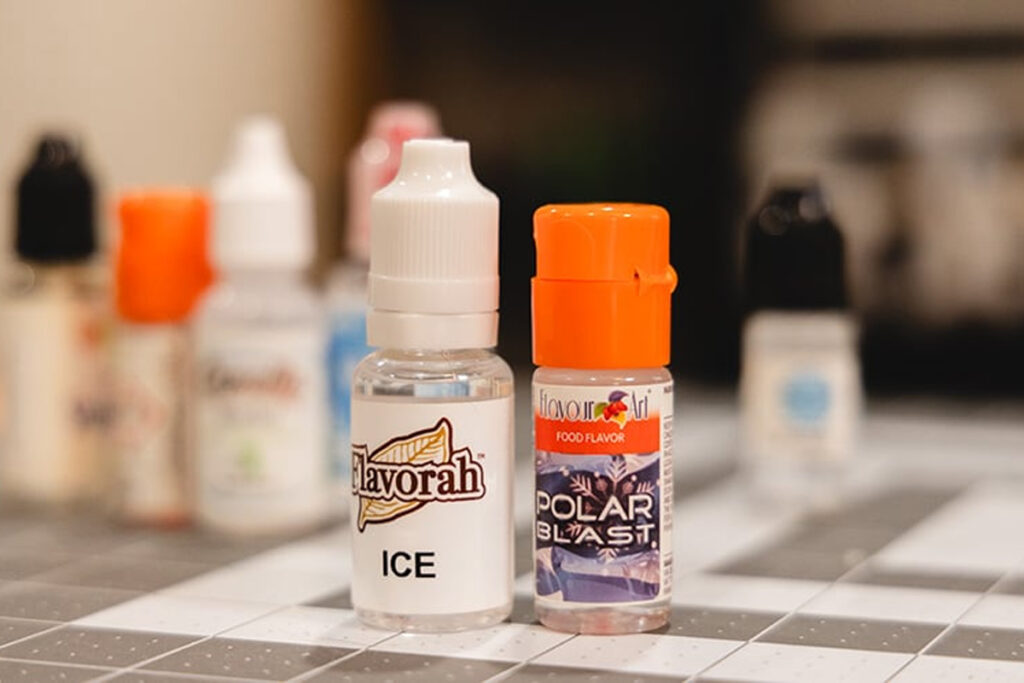
E-liquid (also called vape juice or e-juice) is the fluid vaporized inside an e-cigarette. It typically contains four ingredients:
- Propylene Glycol (PG): A thin, odorless liquid that carries flavor well and delivers the familiar “throat hit.” PG has a dynamic viscosity of roughly 42 mPa·s at 25°C (about the consistency of water with a slight syrupiness). It’s also widely used as a food additive (E1520) and in pharmaceuticals.
- Vegetable Glycerin (VG): A much thicker, slightly sweet liquid responsible for producing dense vapor clouds. Pure VG has a viscosity around 1,412 mPa·s at 20°C, which is roughly 30 times thicker than PG. That’s why VG-heavy e-liquids flow slowly and trap air more readily.
- Flavorings: Food-grade concentrates that give each e-liquid its character.
- Nicotine: Optional, derived from tobacco. Available in freebase or salt form.
The ratio of PG to VG, known as the VG/PG ratio, directly controls how thick or thin your e-liquid is. And viscosity is one of the biggest factors in bubble formation. We’ll dig deeper into the science shortly.
How Vape Devices Work
At its core, a vape device is straightforward: a battery sends power to a coil (heating element), which is wrapped around a wick (usually cotton). The wick draws e-liquid from the tank or pod and delivers it to the coil. When you fire the device, the coil heats up and vaporizes that liquid. You inhale the result.
Simple enough, but here’s the thing: the wicking process is a constant push-and-pull between liquid and air. Every time the wick absorbs e-liquid, it displaces air. That displaced air shows up as bubbles. Understanding this exchange is the key to telling the difference between normal bubbles and problematic ones.
Common Causes of Air Bubbles in E-Liquid
Let’s walk through the five main reasons you’ll see bubbles in your vape tank, starting with the ones you don’t need to worry about.
1. Normal Wicking Process (The “Good” Bubbles)
This is the most common cause, and it’s a positive sign. Here’s what happens: when you take a puff, the coil vaporizes e-liquid from the wick. That creates a small vacuum inside the wicking channels, which pulls fresh liquid from the tank into the wick to replace what was just vaporized. As the liquid flows in, it pushes trapped air out of the cotton and through the wick holes, and you see tiny bubbles rising from the coil head.
If you see a few small bubbles after each puff, your coil is wicking properly. The wick is saturated, the liquid flow is steady, and you’re unlikely to get a dry hit. These are what experienced vapers call “happy bubbles.”
2. Trapped Air During Refilling
If you’ve just refilled your tank and the e-liquid looks fizzy with micro-bubbles, that’s trapped air. Pouring e-liquid too quickly or filling the tank all the way to the brim without leaving an air gap at the top can force air into the liquid column. The good news: these bubbles almost always rise and pop on their own within a few minutes.
Pro tip: tilt your tank slightly when refilling and pour along the wall of the tank rather than dumping liquid straight down the center. This dramatically reduces trapped air.
3. Temperature and Pressure Changes
E-liquid isn’t static; it responds to its environment.
- Temperature: Heat thins e-liquid and causes it to expand, pushing air out of the tank. When it cools, the liquid contracts and creates negative pressure that can pull air in through the wick ports. If you’ve ever left your vape in a hot car and come back to a bubbly tank, this is why.
- Altitude and air pressure: Anyone who’s flown with a vape tank knows the struggle. Cabin pressure at cruising altitude is equivalent to roughly 8,000 feet of elevation. That pressure drop causes the air inside your tank to expand, which can push e-liquid out through the airflow and pull air bubbles in. It’s also why tanks tend to leak on flights. If you’re traveling by air, consider emptying your tank before the flight or using a sealed pod system instead.
4. Vaping Technique
How you draw matters more than most vapers realize.
- Drawing too hard: A long, forceful inhale creates strong negative pressure inside the tank. This can pull excess air through the wick and into the e-liquid, creating visible bubbles during or after your draw. It can also flood the coil by pulling more liquid into the coil chamber than the heating element can vaporize.
- Chain vaping: Firing repeatedly without giving the wick time to re-saturate between puffs means you’re vaporizing liquid faster than the wick can replace it. This creates air pockets inside the cotton itself, leading to inconsistent wicking and, eventually, a burnt taste.
5. E-Liquid Viscosity (The Science Behind It)
This one deserves a closer look because viscosity is the single biggest factor in how your e-liquid behaves inside a tank.
As we covered earlier, pure PG has a viscosity of approximately 42 mPa·s at 25°C, while pure VG sits around 1,412 mPa·s at 20°C. That’s a difference of more than 30x. When you mix them in different ratios, you get e-liquids with very different flow characteristics.
| VG/PG Ratio | Approximate Viscosity | Bubble Behavior | Best Device Type |
|---|---|---|---|
| 50/50 | ~30-40 mPa·s | Bubbles escape quickly | Pod systems, MTL tanks |
| 70/30 VG/PG | ~80-120 mPa·s | Bubbles rise slowly | Sub-ohm tanks, RTAs |
| 80/20 VG/PG or higher | ~150-250 mPa·s | Bubbles get trapped easily | RDA/RDTA with large wicking |
Here’s what this means in practice: a 70/30 VG/PG e-liquid in a pod system with tiny wicking ports is a recipe for trapped air and slow wicking. The liquid is simply too thick to flow through the small openings efficiently. Conversely, a 50/50 blend in a sub-ohm tank with large wicking channels may wick too fast, potentially flooding the coil. Matching your e-liquid viscosity to your device design is one of the most effective ways to minimize bubble-related issues.
A 2022 peer-reviewed study published in Chemistry Europe confirmed that PG/VG ratio affects both viscosity and aerosol formation, with higher VG blends producing denser aerosol but requiring more power and better wicking to function properly (Leffingwell et al., 2022).
Disposable Vapes and Air Bubbles: A Special Case
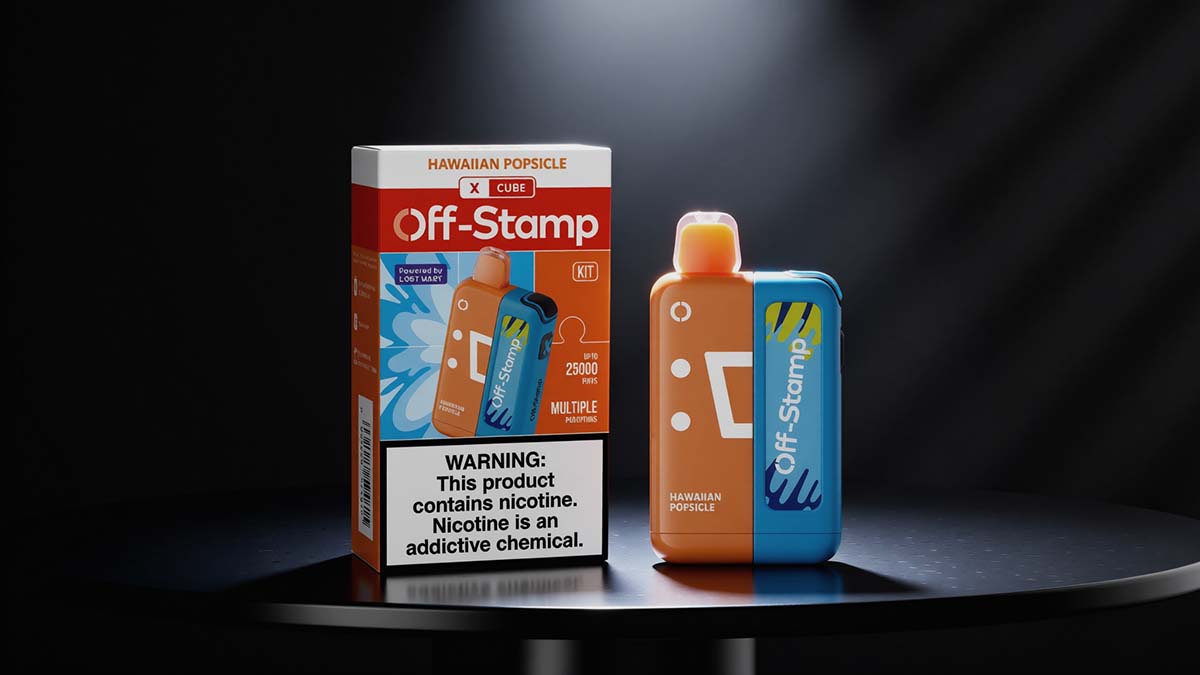
Disposable vapes deserve their own section because they behave differently from refillable devices. Most disposables use auto-draw activation and have sealed, non-replaceable pods filled with high-PG or nic salt e-liquid (typically 50/50 or 60/40 PG/VG). The wicking system is compact and the tolerances are tight.
When you see air bubbles in a disposable vape, it’s almost always due to one of these three things:
- Normal wicking displacement: Small bubbles after a draw mean the coil is pulling liquid and pushing out air. Normal.
- E-liquid running low: As the reservoir empties, air takes up more space inside the pod. You’ll notice more frequent and larger bubbles as the liquid level drops. This is your cue that the disposable is nearing the end of its life.
- Flooded coil from hard draws: Pulling too aggressively on a disposable can force excess liquid past the wick and into the airflow path. If you hear gurgling or taste juice on your lips, ease up on the draw pressure.
Unlike refillable tanks, you can’t open a disposable to fix a flooding issue. The best you can do is let it sit upright for a few minutes, take gentle draws, and avoid chain vaping. If it’s gurgling badly or leaking, the device may be nearing failure.
When to Be Concerned About Air Bubbles in E-Liquid
Small bubbles after a draw? Normal. But these four signs mean something needs your attention.
1. Large, Persistent Bubbles Near the Wick
A single large air bubble that clings to the wicking port and won’t go away is bad news. It blocks e-liquid from reaching the coil, which starves the wick and leads to a dry hit. This is more common with high-VG liquids in devices with small wicking ports, where the thick e-liquid can’t push the air bubble out on its own.
If you see this, try gently tapping the tank or warming it in your hands to thin the liquid. If the bubble keeps coming back, consider switching to a thinner e-liquid or a coil with larger wicking holes.
2. Gurgling Sounds and Spitback
A wet, gurgling sound when you inhale means your coil is flooded. There’s too much e-liquid in the coil chamber, and the heating element can’t vaporize it all at once. The excess liquid sputters and pops, sometimes sending hot droplets (spitback) up through the mouthpiece. Excessive bubbles in the tank are often a side effect of this flooding.
Flooding is usually caused by overfilling, drawing too hard, or using an e-liquid that’s too thin for your device. Vaporesso’s technical guide identifies airflow blockage, overfilling, and condensation buildup as the three primary causes of gurgling in modern pod systems.
3. Leaks Accompanied by Bubbles
If your tank is bubbling and you notice e-liquid seeping from the airflow or base, you’ve got a seal issue. This could be a cracked O-ring, a cross-threaded coil, or a damaged tank section. The air entering through the compromised seal creates visible bubbles and disrupts the negative pressure that normally keeps the liquid where it belongs.
Check the coil seat (remove and reinstall it), inspect the O-rings, and make sure the tank glass is properly seated.
4. Dry Hits or Burnt Taste
A dry hit is that awful, acrid taste you get when the coil heats dry cotton instead of saturated cotton. A large air bubble blocking e-liquid flow to the wick is one common cause. If your vape tastes burnt and you’ve noticed bubbles clustering around the wick ports, the two are probably connected.
How to Fix and Prevent Air Bubbles in E-Liquid
Quick Fixes
- Tap the tank: A light flick on the side of the tank can dislodge trapped bubbles from the wick ports. Don’t shake it; that can introduce more air.
- Let it rest: Set the device down for 3-5 minutes after filling. Bubbles will often rise and dissipate on their own.
- Warm it up: Cup your hands around the tank for 30 seconds. The gentle warmth thins the e-liquid, making it easier for bubbles to escape. Don’t use external heat sources.
- Clear a flooded coil: Remove the drip tip and blow gently through the mouthpiece into a tissue. This pushes excess liquid out of the airflow chamber.
Prevention: The Long Game
- Refill slowly and leave headspace: Pour along the tank wall at an angle. Leave a small air pocket at the top. This maintains proper pressure balance and prevents trapped air.
- Prime new coils before use: Apply 3-5 drops of e-liquid directly to the exposed cotton on a new coil, then wait 5 minutes after installing it before vaping. This saturates the wick fully and eliminates air pockets from the start.
- Match your e-liquid to your device: Pod systems and MTL tanks work best with 50/50 or high-PG liquids. Sub-ohm tanks and RDAs handle 70/30 VG/PG and above. If you’re getting trapped bubbles or slow wicking, step down to a thinner blend.
- Take smooth, measured draws: Long, gentle pulls create steady wicking without flooding. Avoid the instinct to rip on it like a straw.
- Store upright at room temperature: Laying a tank on its side can cause liquid to pool in the airflow and air to collect at the wick ports. Keep it vertical when not in use.
- Maintain your hardware: Clean the tank regularly, replace O-rings when they show wear, and change coils at the first sign of performance drop-off. A well-maintained device is far less prone to bubble-related issues.
Device Type and Recommended VG/PG Ratio
Choosing the right e-liquid for your setup prevents most bubble problems before they start. Here’s a quick reference:
| Device Type | Recommended VG/PG | Why |
|---|---|---|
| Pod systems (refillable) | 50/50 or 60/40 PG/VG | Small wicking ports need thin liquid |
| Disposable vapes | 50/50 (nic salts) | Pre-filled; match manufacturer spec |
| MTL tanks | 50/50 to 60/40 VG/PG | Tighter draw, smaller coils |
| Sub-ohm tanks | 70/30 VG/PG | Large wicking channels, high wattage |
| RDA / RDTA | 70/30 to 80/20 VG/PG | Direct wicking, user-controlled |
Frequently Asked Questions
Are small bubbles after each puff normal?
Yes. They indicate proper wicking. The wick is absorbing liquid and displacing air as it should.
Why do large bubbles stay stuck at the wick ports?
Usually it means the e-liquid is too thick for the wicking channels, or the coil is nearing the end of its life and the cotton is compacted. Switch to a thinner blend or replace the coil.
Can air bubbles cause leaking?
Indirectly, yes. If bubbles are caused by a compromised seal or flooding, leaking can follow. The bubbles themselves aren’t the cause, but they’re a symptom of the same pressure imbalance.
Does tapping the tank actually help?
It can. A gentle tap on the side of the tank can free bubbles that are stuck to the wick ports. Don’t shake or flick hard; that can introduce more air or cause flooding.
Is a bubbling sound during inhalation normal?
A faint crackle is normal and just means the coil is vaporizing liquid. A wet gurgling sound is not normal and typically means the coil is flooded. Clear the excess liquid and check your fill level and draw technique.
Why does my disposable vape have more bubbles as it empties?
As the e-liquid reservoir depletes, more air fills the space inside the pod. This increased air volume leads to more visible bubbles during wicking. It’s a normal sign that the disposable is running low.
Should I be worried about bubbles after flying?
Not worried, but prepared. The pressure change at altitude causes air inside the tank to expand, which can displace e-liquid and create bubbles. Empty your tank before flying, or switch to a sealed pod device to avoid leaks.
The Bottom Line
Air bubbles in e-liquid are a fact of vaping life. Most of the time, they’re harmless, even healthy. A few small bubbles after a draw means your wick is working. Micro-bubbles after a refill will settle on their own. But when bubbles come with gurgling, leaking, or a burnt taste, it’s time to troubleshoot: check your fill level, your e-liquid viscosity, your draw technique, and your hardware condition.
The single most effective thing you can do to minimize bubble problems? Match your e-liquid to your device. A 50/50 blend in a pod system, a 70/30 VG/PG in a sub-ohm tank. Get that right, and most bubble issues simply disappear.
Sources: Wikipedia (PG viscosity 0.042 Pa·s at 25°C; VG/glycerol viscosity 1.412 Pa·s at 20°C); Leffingwell et al., “Effect of Propylene Glycol and Vegetable Glycerine Ratio in E-Liquid on Aerosol Formation,” Chemistry Europe, 2022; Vaporesso technical guide (2025); Elfbar viscosity guide; DisposablePod technical reference; ZoFo troubleshooting guide.



The Vape Observation team is composed of experienced e-cigarette enthusiasts. We are committed to bringing you the latest and best e-cigarette information. For more information, please follow us on Facebook and Twitter/X!