


Are Nicotine Pouches Safe? Science-Based Analysis (2026)
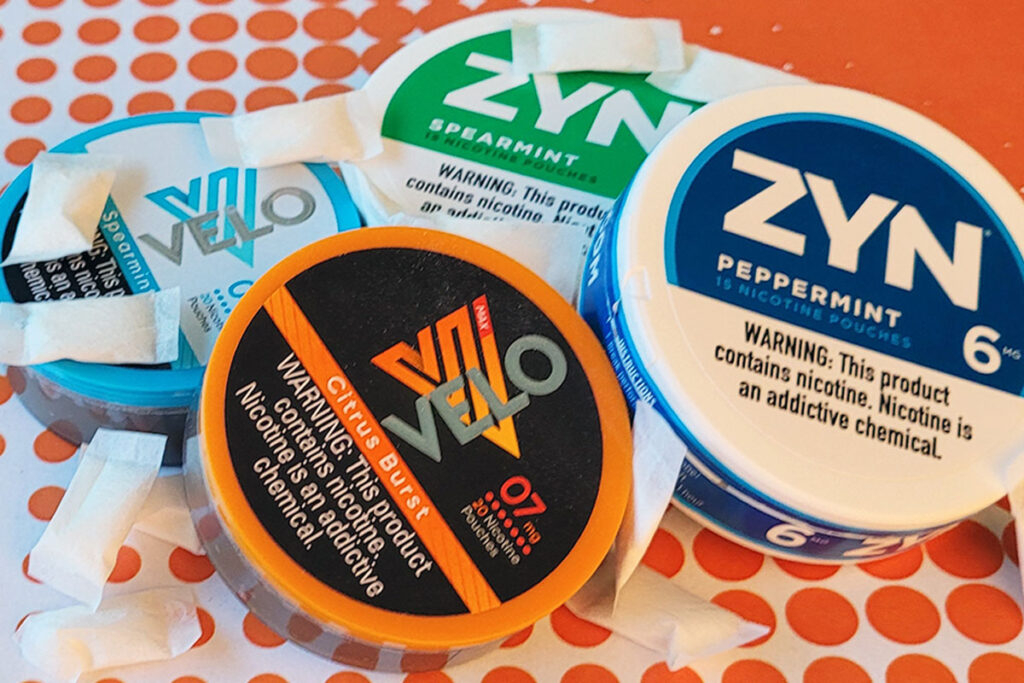
If you are wondering are nicotine pouches safe, you are asking the right question. The honest answer is more nuanced than a simple yes or no. Nicotine pouches are significantly safer than smoking because they eliminate combustion and the thousands of harmful chemicals that come with burning tobacco. But “safer than smoking” does not mean “safe.” Nicotine itself carries real risks, from addiction to cardiovascular strain, and the long-term oral health effects are still being studied.
Think of it this way. If you are currently a smoker, switching to nicotine pouches is a meaningful harm reduction step. You are removing tar, carbon monoxide, and the vast majority of carcinogens from the equation. But if you have never used nicotine before, starting with pouches introduces risks you do not need to take. And certain groups, like pregnant women and adolescents, should avoid them entirely.
This article walks through what the latest research actually says, separates verified risks from speculation, and gives you the information you need to make your own decision. No fear-mongering, no sugar-coating, just the evidence as it stands in 2026.
What the Latest Research Actually Says (2025-2026)
The research on nicotine pouch safety has accelerated over the past two years, and the picture that is emerging is more detailed than what we had before. Here are the key studies you should know about.
Springer/BMC Oral Health (November 2025): First Documented Case of Gum Recession and Leukoplakia
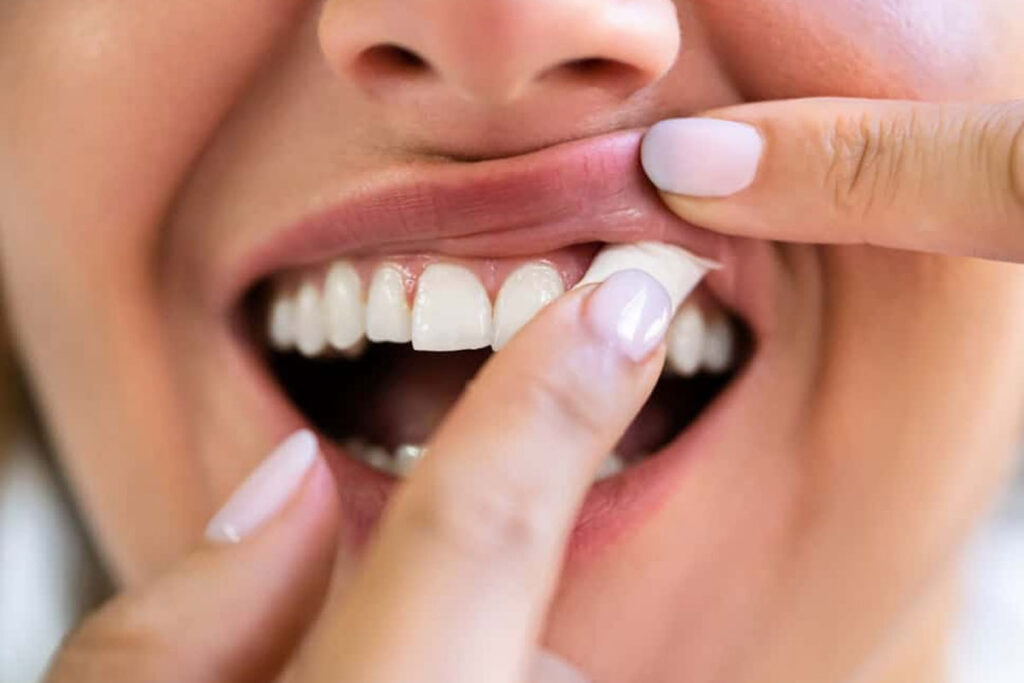
This is the study that got a lot of attention, and for good reason. Published in BMC Oral Health, researchers documented two cases of healthy young men (ages 22 and 26) who developed localized gingival recession and leukoplakia at the exact spots where they habitually placed their nicotine pouches. The 22-year-old had been using pouches for about two years, placing them in the same spot on his lower left gum. The 26-year-old had a similar pattern on his lower right side.
Here is the important context: both patients’ lesions resolved after they stopped using the pouches. This tells us the oral tissue damage appears to be reversible, at least in these early-stage cases. But it also confirms what dentists have been saying anecdotally for a while: habitual placement in the same spot can cause real, visible damage to your gum tissue.
Nature/BDJ Review (February 2025): Harm Reduction Breakthrough or Flavored Trap?
The British Dental Journal review asked the question that matters most for public health: are nicotine pouches a genuine harm reduction tool, or are they just another way to hook new users on nicotine? Their conclusion was measured. On one hand, the elimination of combustion makes pouches far less harmful than cigarettes. On the other, nicotine’s addictive properties and cardiovascular risks remain real concerns, and the long-term effects on periodontal health are still unknown.
The review also flagged the flavor issue. Sweet and fruit flavors, while making the product more palatable, may also make it more appealing to adolescents and young adults who would never have tried a tobacco product otherwise. This is a legitimate public health tension: the same flavors that help adult smokers switch away from cigarettes may also attract new, younger users.
SAGE Public Health Reports (April 2025): The Evidence Gap Is Real
This systematic review, titled “Oral Nicotine Pouches: Rising Popularity and State of the Science,” laid out the problem plainly. Nicotine pouches are surging in popularity, especially in the United States, but the empirical data on their public health effects has not kept pace. Sales data shows explosive growth. Social media is full of content about them. But rigorous, long-term clinical studies? Those are still few and far between.
The review called for more research on youth initiation, dual use (using pouches alongside cigarettes or vapes), long-term oral health outcomes, and whether pouches actually help people stop smoking. These are all open questions, and until we have answers, we are making decisions based on incomplete information.
ACS Omega (February 2025): What Is Actually Inside These Pouches?
This toxicological study is one of the few that looked beyond nicotine itself and examined the degradants and impurities present in oral nicotine pouches. The researchers tested for compounds like myosmine, nornicotine, anatabine, anabasine, beta-nicotyrine, cotinine, and nicotine-N-oxide. These are nicotine-related impurities that can form during manufacturing or storage.
The findings were mostly reassuring. Most of these impurities were within the limits set by the United States Pharmacopeia (USP) and European Pharmacopoeia (EP), the same standards used for pharmaceutical nicotine products. But some impurities were found at levels that warrant ongoing monitoring. This does not mean the products are dangerous. It means we should keep an eye on quality control as the industry scales up.
American Heart Association Review: Cardiovascular Risk Assessment
The AHA’s review on smokeless oral nicotine products and cardiovascular disease risk provided a balanced assessment. Nicotine acutely raises heart rate and blood pressure. Chronic use may contribute to hypertension. These are real cardiovascular effects that should not be dismissed. However, the AHA also acknowledged that for current smokers, switching to non-combustible nicotine products reduces cardiovascular risk because you are eliminating carbon monoxide exposure and the endothelial damage caused by combustion by-products.
The takeaway: nicotine is not heart-healthy, but it is far less harmful to your cardiovascular system when delivered without smoke.
Forbes Doctor Analysis (April 2026): Seven Risks Broken Down
A physician writing for Forbes broke down seven health risks associated with ZYN and VELO pouches: gum damage, heart effects, addiction, gastrointestinal issues, oral lesions, youth brain development concerns, and pregnancy risks. The analysis was grounded in the available evidence and did not overstate or understate any of the risks. It reflected the medical consensus that nicotine pouches occupy a middle ground in the harm reduction spectrum: less dangerous than smoking, but not harmless.
What all of this research tells us is that we have a clearer picture of the short-term and medium-term risks than we did two years ago. The oral health concerns are real and documented. The cardiovascular effects are consistent with what we know about nicotine. The toxicological profile is better than cigarettes by a wide margin. But long-term data, the kind that takes decades to accumulate, is simply not available yet. If you want to learn more about what these products are, check out our comprehensive guide to nicotine pouches.
Nicotine Pouches vs Cigarettes: A Chemical Comparison
To understand nicotine pouch safety, you need to understand what these products eliminate and what they retain compared to combustible cigarettes. The difference is substantial.
What Nicotine Pouches Eliminate
When you smoke a cigarette, the burning of tobacco at high temperatures produces over 7,000 chemicals. At least 70 of those are known carcinogens. Here is what nicotine pouches remove from the equation entirely:
- Tar: The sticky, brown residue that coats your lungs and contains dozens of carcinogens. Pouches produce no tar because nothing is burned.
- Carbon monoxide: The invisible gas that reduces your blood’s ability to carry oxygen. A significant contributor to cardiovascular disease in smokers. Pouches produce zero carbon monoxide.
- Formaldehyde, acetaldehyde, and acrolein: Toxic aldehydes produced by combustion. Absent in pouches.
- Polycyclic aromatic hydrocarbons (PAHs): Potent carcinogens formed during incomplete combustion. Not present in pouches.
- Most volatile organic compounds: Benzene, toluene, styrene, and other hazardous VOCs that are by-products of burning tobacco. Not produced by pouches.
This is why the harm reduction argument for nicotine pouches is scientifically sound. If you are a smoker and you switch to pouches, you are eliminating the majority of the chemicals that cause cancer, heart disease, and respiratory damage. That is not a small thing.
What Nicotine Pouches Still Contain
But pouches are not blank slates. Here is what you are still putting in your body:
- Nicotine: The addictive alkaloid that drives dependence and has acute cardiovascular effects. This is the active ingredient, and its risks are real regardless of delivery method.
- pH adjusters: Sodium carbonate and sodium bicarbonate (basically baking soda) are used to raise the pH of the pouch contents, which makes nicotine more absorbable through the oral mucosa. These are food-grade compounds, but they can contribute to local tissue irritation.
- Flavorings and sweeteners: Acesulfame potassium, sucralose, and various food-grade flavorings. These are generally recognized as safe (GRAS) for ingestion, but long-term exposure to the oral mucosa is a different route than eating them. The data on chronic mucosal contact with these compounds is limited.
- Fillers: Microcrystalline cellulose, plant fibers, and similar inert materials that give the pouch its structure. These are not a health concern.
- Trace nicotine impurities: As the ACS Omega study found, small amounts of compounds like myosmine and nornicotine can be present. Most are within pharmaceutical limits, but ongoing quality monitoring matters.
TSNA Levels: The Number That Matters Most
Tobacco-specific nitrosamines, or TSNAs, are among the most potent carcinogens in tobacco products. The two most concerning are NNK and NNN, both classified as known human carcinogens. Here is how the products compare:
| Product | TSNA Level |
|---|---|
| Cigarettes | High (formed during curing and combustion) |
| Traditional snus | Moderate (present from tobacco curing, but lower than cigarettes due to pasteurization) |
| Nicotine pouches | Trace or undetectable (no tobacco plant material, so minimal TSNAs) |
This is one of the strongest arguments for nicotine pouches from a chemical safety standpoint. Because pouches do not contain tobacco leaf, the TSNAs that make traditional smokeless tobacco products carcinogenic are either absent entirely or present only in trace amounts. The ACS Omega study confirmed that impurity levels in tested pouches were largely within pharmaceutical standards, something you cannot say about cigarettes or even traditional snus.
The harm reduction context matters here. “Safer than smoking” is a scientifically accurate statement, but it is not the same as “safe.” If you are currently smoking, switching to pouches reduces your chemical exposure dramatically. But if you are a non-smoker thinking about trying pouches, you are introducing nicotine dependence and oral health risks you did not have before. For more on how these products work, see our guide on how to use nicotine pouches.
Oral Health: The Most Documented Risk
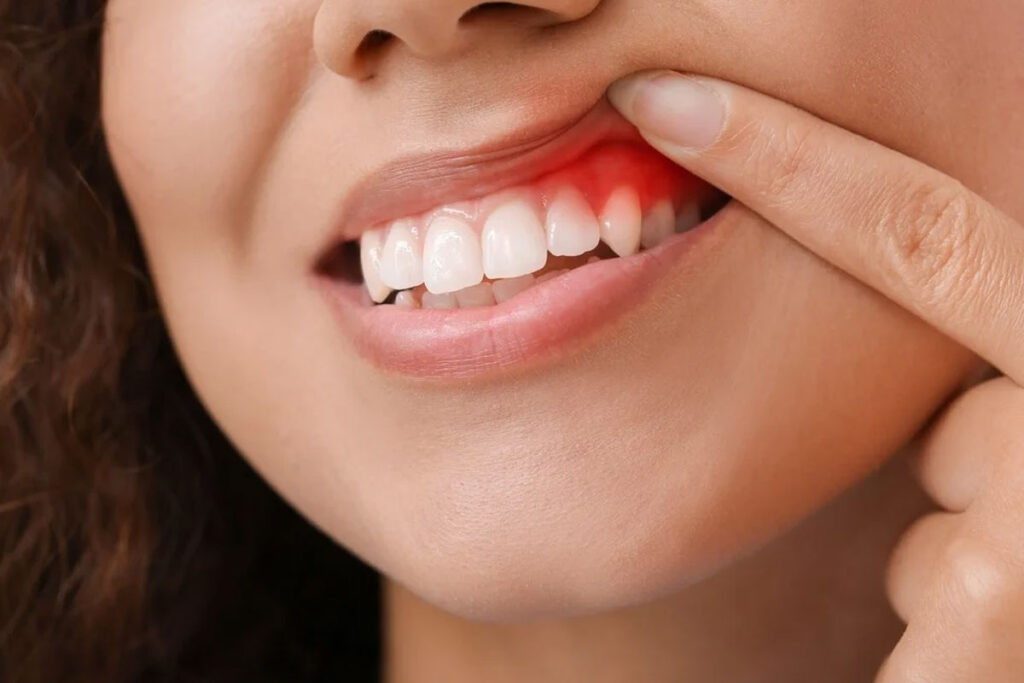
Of all the nicotine pouch side effects, oral health issues are the most common and the best documented. If you use pouches regularly, you should know what to watch for and how to minimize the risk.
Gum Irritation: The Most Common Complaint
This is the number one side effect users report, and it makes sense when you think about what is happening. You are placing a small pouch containing nicotine, sodium carbonate, and flavorings directly against your gum tissue for 20 to 45 minutes at a time. The nicotine itself is an irritant, and the alkaline pH adjusters can cause a burning or tingling sensation, especially when you first start using them.
Most users find that irritation decreases over time as the tissue adapts, and that lower-strength pouches (3mg) cause less irritation than higher-strength ones (6mg or 8mg). But for some people, the irritation persists and makes the product uncomfortable enough to stop using.
Gingival Recession: Now Documented in Clinical Research
The Springer/BMC Oral Health case report changed the conversation about nicotine pouches and gum health. For the first time, researchers documented that habitual placement of nicotine pouches in the same spot can cause gingival recession, which is when the gum tissue pulls away from the tooth, exposing the root surface.
In both cases reported in the study, the recession was localized to the exact spot where the user consistently placed their pouch. The 22-year-old had recession on the lower left, the 26-year-old on the lower right. Both had been placing pouches in those spots repeatedly over months or years.
The good news is that the recession appeared to be reversible when the users stopped placing pouches in those spots. The tissue began to recover. The lesson here is straightforward: rotate your placement site. Do not put the pouch in the same spot every single time. Move it around. Upper left, lower right, upper right, lower left. This simple habit can significantly reduce the risk of localized tissue damage.
Leukoplakia: White Patches That Resolve
The same Springer study also documented leukoplakia, which presents as white or grayish patches on the gum tissue. In both patients, these patches appeared at the pouch placement site and resolved after they discontinued use. Leukoplakia sounds alarming, and it is something you should take seriously because in other contexts (like smokeless tobacco use) it can be a precancerous condition.
However, the leukoplakia associated with nicotine pouches in these case reports appeared to be reactive rather than precancerous. The patches resolved completely after the irritant (the pouch) was removed. This is different from the leukoplakia seen with traditional smokeless tobacco products, where the presence of TSNAs and other carcinogens creates a much higher risk of malignant transformation.
Dry Mouth and Other Minor Issues
Some users report dry mouth while using nicotine pouches. Nicotine can reduce saliva production, and the pouch itself can physically block saliva from reaching the tissue underneath. This is usually temporary and resolves after the pouch is removed.
Correction: Tooth Decay Is Not Caused by Nicotine Pouches
Some earlier coverage suggested that nicotine pouches could cause tooth decay. This is not supported by the evidence. Most nicotine pouches use artificial sweeteners like acesulfame potassium and sucralose, not sugar. These sweeteners do not feed the bacteria that cause cavities. The dry mouth effect could theoretically contribute to decay over time if it reduces saliva’s protective function, but there is no direct causal link between pouch use and tooth decay.
Important Correction: No Evidence Links Nicotine Pouches to Oral Cancer
This needs to be stated clearly because an earlier version of this article contained an incorrect claim about oral cancer risk. There is no evidence linking nicotine pouches to oral cancer. Nicotine itself is not a carcinogen. It does not cause cancer. The carcinogens in tobacco products come from the tobacco-specific nitrosamines (TSNAs) and the combustion by-products, not from nicotine itself.
Nicotine pouches do not contain tobacco leaf material, so the TSNAs that make traditional smokeless tobacco products carcinogenic are either absent or present only in trace amounts. And because nothing is burned, there are no combustion by-products. The chemical profile of a nicotine pouch is fundamentally different from that of chewing tobacco, dip, or cigarettes.
This does not mean the long-term oral health effects are fully understood. They are not. But claiming that nicotine pouches increase the risk of oral cancer is not supported by the available evidence, and that claim has been removed from this article.
Cardiovascular Risks: What Nicotine Does to Your Heart
Nicotine affects your cardiovascular system regardless of how you consume it. Whether it comes from a cigarette, a vape, a patch, gum, or a pouch, nicotine triggers the same basic response in your body. Understanding nicotine pouch health risks means understanding what nicotine does to your heart and blood vessels.
Acute Effects: What Happens Right After You Use a Pouch
Within minutes of placing a nicotine pouch, your heart rate increases by several beats per minute. Your blood pressure rises modestly. Your blood vessels constrict slightly. These are the same effects you would get from any nicotine product, and they are dose-dependent. A 3mg pouch produces a smaller cardiovascular response than a 6mg pouch, which produces a smaller response than a cigarette (which delivers roughly 1-2mg of absorbed nicotine along with carbon monoxide and other cardiovascular stressors).
For a healthy adult, these acute effects are generally not dangerous in isolation. Your body recovers within 30 to 60 minutes after the nicotine is metabolized. But if you are using multiple pouches throughout the day, your cardiovascular system is spending a significant portion of the day in a mildly stressed state.
Chronic Effects: The Long-Term Picture
Regular nicotine use may contribute to chronic hypertension over time. The evidence here is not as strong as some headlines suggest, but it is plausible and consistent with what we know about nicotine’s mechanism of action. The American Heart Association’s position is that nicotine replacement therapy is safer than continued smoking for cardiovascular health, but nicotine use of any kind is not risk-free for people with existing heart conditions.
There are a few things that make the cardiovascular risk from pouches different from, and lower than, the risk from smoking:
- No carbon monoxide: CO from cigarette smoke damages the endothelial lining of blood vessels and reduces oxygen delivery to the heart. Pouches produce zero CO.
- No combustion by-products: The oxidative stress and inflammation caused by inhaling combustion products contribute to atherosclerosis. Pouches eliminate this entirely.
- Lower peak nicotine levels: Pouches deliver nicotine more slowly than cigarettes, which means the cardiovascular spike is less pronounced.
Who Should Be Most Careful
If you have hypertension, coronary artery disease, a history of heart attack or stroke, or any other cardiovascular condition, you should talk to your doctor before using nicotine pouches. The acute blood pressure and heart rate effects, while modest for most people, can be more significant for those with pre-existing conditions.
If you are a smoker with heart disease who is trying to quit, the calculus is different. Continuing to smoke is far more dangerous to your cardiovascular system than switching to nicotine pouches. The AHA has acknowledged that non-combustible nicotine products represent a meaningful reduction in cardiovascular risk compared to smoking. The conversation you should have with your doctor is not “are pouches safe for my heart?” but “are pouches safer for my heart than continuing to smoke?” And for most smokers with cardiovascular disease, the answer to that second question is yes.
For a broader comparison, see our analysis of whether it is better to smoke or vape.
Addiction and Dependence: The Hidden Cost
Nicotine is one of the most addictive substances available without a prescription. The nicotine pouch addiction risk is real, and it deserves serious attention because the convenience and discretion of pouches can actually make it easier to consume more nicotine more often.
Why Pouches Can Be Deceptively Addictive
Here is the thing about nicotine pouches that separates them from cigarettes and even vapes: you can use them anywhere, at any time, without anyone knowing. At your desk. In a meeting. On a plane. In a restaurant. There is no smell, no vapor, no need to step outside. This discretion is one of their biggest selling points, but it is also what makes them easy to overuse.
With cigarettes, the logistics of smoking (going outside, the smell, the social stigma) create natural breaks between doses. With pouches, those breaks disappear. It is not uncommon for users to go through 8, 10, or even 15 pouches in a day, especially at lower nicotine strengths where each individual pouch feels mild enough to justify “just one more.”
Withdrawal: What Happens When You Stop
Nicotine withdrawal from pouches is similar to withdrawal from any other nicotine product. Symptoms include irritability, anxiety, difficulty concentrating, increased appetite, cravings, and sometimes headaches and insomnia. The severity depends on how much you were using and for how long.
One thing that can make pouch withdrawal feel harder is the behavioral component. The habit of reaching for a pouch at certain times (after meals, while driving, during work) creates conditioned responses that persist even after the physical withdrawal subsides. Many former users report that the ritual of placing a pouch was harder to break than the nicotine craving itself.
Adolescent Brain Development: The Youth Risk
This is one of the most serious concerns about nicotine pouches, and the evidence here is well-established. CDC data shows that nicotine exposure during adolescence can harm brain development, particularly in areas related to attention, learning, and impulse control. The adolescent brain continues developing until about age 25, and nicotine can alter that development in ways that may be permanent.
The “Zynfluencer” phenomenon on social media has raised alarms among public health researchers. Young creators posting about their ZYN use, treating it casually, and in some cases explicitly promoting it to their followers creates a normalization effect that could increase youth initiation. This is not a hypothetical concern. The CDC’s National Youth Tobacco Survey has tracked rising awareness and use of nicotine pouches among teens.
If you are under 21, the message from every major medical organization is the same: do not use nicotine products. The addiction risk is higher during adolescence, and the potential impact on your developing brain is not worth it. If you want to explore alternatives, check out our guide to vaping products (for adults only) or learn about nicotine levels in vapes to understand the landscape.
Who Should NOT Use Nicotine Pouches
Some people should not use nicotine pouches at all. This is not about being cautious. It is about being clear on the medical evidence.
Pregnant Women
Nicotine crosses the placenta and affects fetal development. It is associated with premature birth, low birth weight, and developmental problems. There is no safe level of nicotine during pregnancy. If you are pregnant or trying to become pregnant, you should not use nicotine pouches, cigarettes, vapes, or any other nicotine product. If you are a smoker who becomes pregnant, talk to your doctor about FDA-approved cessation methods that do not involve nicotine.
Adolescents and Young Adults Under 21
Your brain is still developing until your mid-twenties, and nicotine can interfere with that development. The younger you are when you start using nicotine, the harder it is to quit and the more likely you are to become a long-term user. Federal law prohibits the sale of nicotine products to anyone under 21, and that restriction exists for good reason.
People With Cardiovascular Disease
If you have high blood pressure, coronary artery disease, a history of heart attack or stroke, arrhythmias, or any other cardiovascular condition, nicotine places additional stress on your heart and blood vessels. Talk to your doctor. For smokers with heart disease, switching to pouches may still be a net positive, but that is a medical decision that should involve your cardiologist.
People With Severe Gum Disease
If you already have periodontal disease, active gum inflammation, or significant gum recession, placing nicotine pouches against compromised tissue can worsen the condition. The irritation from the pouch and the vasoconstrictive effect of nicotine can slow healing and accelerate tissue damage. Get your gum health addressed first.
Non-Smokers and Non-Nicotine Users
If you do not currently use nicotine, there is no good reason to start. Nicotine pouches are not a wellness product. They are not a productivity tool. They are a recreational drug that delivers an addictive stimulant. Starting nicotine use as a non-user introduces dependence risk and health effects you did not have before, with no offsetting benefit.
People Trying to Quit Nicotine Entirely
If your goal is to be completely nicotine-free, switching to pouches from cigarettes or vapes may help you step down, but it does not move you toward a nicotine-free life. Pouches maintain your dependence on nicotine. They can be a transitional tool, but they are not a quitting tool in the sense that they help you stop using nicotine entirely. For that, you need a plan that involves gradual reduction and eventually cessation.
What FDA Authorization Actually Means
There is a lot of confusion about what the FDA’s actions regarding ZYN actually mean, and some of that confusion is being exploited in marketing. Let me clear it up.
January 2025: FDA Authorized 20 ZYN Products
In January 2025, the FDA authorized 20 ZYN nicotine pouch products through the PMTA (Premarket Tobacco Product Application) pathway. This was a significant regulatory milestone because ZYN became the first nicotine pouch brand to receive PMTA authorization.
But here is what PMTA authorization does not mean. It does not mean the FDA has certified these products as safe. It does not mean the FDA has determined that they carry no health risks. The PMTA standard is whether the product is “appropriate for the protection of public health,” which the FDA evaluates by weighing the potential benefits (adult smokers switching to a less harmful product) against the potential risks (youth initiation, dual use, long-term health effects we do not fully understand yet).
Think of it this way: PMTA authorization means the FDA has reviewed the evidence and decided that, on balance, having these products on the market is better for public health than not having them, primarily because they give current smokers a less harmful alternative. It is a relative judgment, not an absolute safety certification.
The MRTP Application: Reduced-Risk Marketing
Swedish Match, the maker of ZYN, has also submitted an MRTP (Modified Risk Tobacco Product) application. This is a separate and more stringent process. If granted, it would allow ZYN to make specific reduced-risk claims in its marketing, such as “this product presents a lower risk of cancer than cigarettes.”
As of early 2026, the MRTP application is still under review. The FDA’s Tobacco Products Scientific Advisory Committee (TPSAC) was scheduled to review the ZYN MRTP claims at a meeting on January 22, 2026. The outcome of that review will be telling. TPSAC’s recommendations are not binding, but the FDA typically follows them.
Regulatory Landscape
A few other regulatory points worth knowing:
- Federal minimum age: 21. It is illegal to sell nicotine pouches to anyone under 21 in the United States.
- FDA classification: Nicotine pouches are classified as tobacco products because they contain nicotine derived from tobacco, even though they contain no tobacco plant material. This classification means they are subject to FDA tobacco product regulations, including marketing restrictions, ingredient reporting, and health warnings.
- EU regulations: The European Union limits nicotine pouch strength to 20mg per pouch. The US has no equivalent federal limit, which is why you can find pouches with 6mg or even 8mg of nicotine on the US market.
- State regulations: Several states have imposed additional restrictions on flavored nicotine products, and some are considering specific regulations for nicotine pouches. Check your local laws.
The bottom line on ZYN safety from a regulatory perspective: the FDA has determined that these products are appropriate for the market given the current evidence. They have not determined that they are safe. Those are different things, and understanding that distinction is essential for making an informed decision. For more on the broader vaping and nicotine landscape, see our guides on the science behind vape liquids and vaping subcultures.
Frequently Asked Questions
Can nicotine pouches cause cancer?
No. There is no evidence that nicotine pouches cause cancer, and the previous claim in this article suggesting an increased risk of oral cancer was incorrect and has been removed. Nicotine is not a carcinogen. The cancer risk from tobacco products comes from TSNAs (tobacco-specific nitrosamines) and combustion by-products, both of which are either absent or present at trace levels in nicotine pouches. The Springer case study documented leukoplakia (white patches) that resolved after discontinuing use, but leukoplakia from nicotine pouches has not been shown to undergo malignant transformation. This is fundamentally different from the leukoplakia associated with traditional smokeless tobacco, where TSNAs create a real cancer risk.
Are nicotine pouches safer than smoking?
Yes, significantly. Cigarettes deliver nicotine along with tar, carbon monoxide, dozens of known carcinogens, and thousands of other harmful chemicals produced by combustion. Nicotine pouches eliminate combustion entirely, which removes the vast majority of those harmful chemicals from the equation. The AHA has acknowledged that non-combustible nicotine products carry lower cardiovascular risk than smoking. But “safer than smoking” does not mean “safe.” Pouches still deliver addictive nicotine with real cardiovascular and oral health effects. They are a harm reduction tool for current smokers, not a risk-free product.
Do nicotine pouches damage your gums?
Yes, they can. Gum irritation is the most commonly reported side effect, and the 2025 Springer case study documented gingival recession and leukoplakia at habitual placement sites in two users. The risk increases if you place the pouch in the same spot every time. Rotating your placement site (moving the pouch to different areas of your mouth throughout the day) significantly reduces the risk of localized tissue damage. If you notice persistent soreness, white patches, or your gums pulling away from your teeth, stop using the pouches in that spot and see a dentist.
Can I use nicotine pouches while pregnant?
Absolutely not. Nicotine crosses the placenta and is harmful to fetal development. It is associated with premature birth, low birth weight, and developmental problems. There is no safe level of nicotine during pregnancy. If you are pregnant and currently smoking, talk to your doctor about FDA-approved cessation methods, not nicotine pouches.
How do nicotine pouches compare to vaping for safety?
They have different risk profiles, and neither is “safer” in an absolute sense. Vaping involves inhaling aerosolized liquid into your lungs, which carries respiratory risks that nicotine pouches do not have. Pouches involve placing nicotine directly against your gum tissue, which carries oral health risks that vaping does not have. Both eliminate the combustion by-products that make smoking so dangerous. Both deliver addictive nicotine with cardiovascular effects. The right choice depends on your individual health profile and which set of risks you are more comfortable with. If you have gum issues, vaping may be the better alternative. If you have respiratory concerns, pouches may be preferable.
Are ZYN pouches FDA approved?
Twenty ZYN products received PMTA authorization from the FDA in January 2025, making them the first nicotine pouches legally authorized for sale in the US market. But PMTA authorization is not the same as “FDA approved as safe.” It means the FDA determined that having these products on the market is “appropriate for the protection of public health,” primarily because they give adult smokers a less harmful alternative to cigarettes. ZYN also has an MRTP (Modified Risk Tobacco Product) application under review, which, if granted, would allow them to make specific reduced-risk claims in their marketing.
What are the most common side effects of nicotine pouches?
The most commonly reported side effects are gum irritation (a burning or tingling sensation at the placement site), nausea (especially if you are new to nicotine or using a strength that is too high for your tolerance), hiccups (a well-known effect of oral nicotine absorption), and dry mouth. Less common but documented side effects include gingival recession at habitual placement sites and leukoplakia (white patches). Most side effects are mild and reversible, but persistent or worsening symptoms should prompt you to reduce use or stop entirely.
Can nicotine pouches help me quit smoking?
Nicotine pouches are not FDA-approved as smoking cessation products. Unlike nicotine replacement therapy (NRT) products like patches, gum, and lozenges, pouches have not been evaluated or approved for helping people quit smoking. That said, some smokers do use them as a harm reduction tool, switching from cigarettes to pouches to reduce their exposure to combustion by-products. This is a personal harm reduction decision, not a medically recommended cessation strategy. If your goal is to quit nicotine entirely, pouches maintain your dependence rather than helping you break it. Talk to your doctor about FDA-approved cessation methods if quitting is your goal. And if you are looking for deals on alternatives, check out our vape deals page.
The question “are nicotine pouches safe” does not have a simple answer because it depends entirely on who is asking and what they are comparing to. For a current smoker, nicotine pouches represent a meaningful reduction in harm. You are eliminating tar, carbon monoxide, most carcinogens, and the vast majority of the chemicals that make smoking deadly. That is a real, measurable improvement in your health outlook.
But for someone who has never used nicotine, pouches introduce risks you did not have before: addiction, cardiovascular effects, and oral health issues that are now documented in clinical research. And for pregnant women, adolescents, and people with heart disease, the risks are clear enough that the recommendation is straightforward: do not use them.
The research from 2025 and 2026 has given us a sharper picture of what we know and what we do not. We know that gum irritation and recession are real, documented risks. We know that nicotine’s cardiovascular effects are present regardless of delivery method but are significantly lower without combustion. We know that TSNAs, the primary carcinogens in tobacco, are essentially absent from pouches. We know that nicotine is not a carcinogen, and the previous claim linking pouches to oral cancer risk was wrong.
What we do not know yet is the long-term picture. Nicotine pouches have only been widely available for a few years. The studies that will tell us about effects after 10, 20, or 30 years of use have not been completed because the product category has not existed that long. The 2025 SAGE systematic review identified this evidence gap clearly, and it is the most important caveat in any assessment of nicotine pouch safety.
Make your decision based on what the evidence shows right now, not on marketing claims or fear-based headlines. If you are a smoker looking for a less harmful alternative, the evidence supports that switch. If you are not a nicotine user, the evidence says there is no good reason to start. And wherever you land, check out our ZYN flavors guide to understand your options if you do choose to use pouches.




Build your vape knowledge
Read more guides
Find explainers, how-to articles and reference material.
Open guide library →Compare vape products
Check specifications across the product database.
Open product data →Read hands-on reviews
See tested devices and documented trade-offs.
Read review coverage →