

Eighty-two million people worldwide vape. That’s roughly the population of Germany, and the number keeps climbing — the global vaping market hit $18.3 billion in 2023 and is projected to reach $44.1 billion by 2027. In the US alone, 1.63 million middle and high school students use e-cigarettes, according to the CDC’s 2024 National Youth Tobacco Survey.
But here’s the thing: the reasons teenagers vape are almost nothing like the reasons adults vape. And the reasons someone picks up a vape today are different from what drove them to cigarettes a generation ago.
So what actually drives people to vape? Not the marketing claims, not the headlines — the real data.
Top 5 Reasons People Vape
| Reason | Who It’s For | Key Data Point |
|---|---|---|
| Quit smoking / Harm reduction | Adults 25+ (current/ex-smokers) | E-cigarettes ~95% less harmful than smoking (Public Health England) |
| Flavor variety | Teens and young adults | 87.6% of youth vapers use flavored products — and there are 2,000+ options |
| Cost savings | Budget-conscious adults and smokers | Switching from cigarettes saves roughly $959/year with disposables |
| Social / Community | All ages — especially online | 82 million global vapers share tips, tricks, and culture daily |
| Curiosity / Experimentation | Teens and young adults | 53% of 8th graders who vape say they started “just to try it” |
These five buckets cover the vast majority of why people vape. But the story gets more interesting when you dig into who falls into which bucket — because the “why” changes dramatically by age, location, and smoking history.
Reason #1: Quitting Smoking and Reducing Harm
This is the single biggest reason adults vape — and it’s not even close. Roughly 60% of adult vapers are current or former smokers who picked up vaping as a way to reduce harm or quit tobacco entirely.
The science backs them up. Public Health England’s landmark 2015 review estimated that e-cigarettes are approximately 95% less harmful than traditional cigarettes. That number has been reaffirmed by Cancer Research UK, the UK’s Royal College of Physicians, and multiple independent reviews. The reason is straightforward: cigarettes kill because of combustion — burning tobacco creates tar, carbon monoxide, and over 60 known carcinogens. Vapes don’t burn anything. They heat a liquid to create vapor, eliminating the most dangerous byproducts of smoking entirely.
Harmful substances: cigarettes vs nicotine vapes
| Substance | Cigarettes | Nicotine Vapes | What This Means |
|---|---|---|---|
| Tar | ✅ High (combustion byproduct) | ❌ None | Tar causes lung cancer. Vapes produce zero tar. |
| Carbon monoxide | ✅ High | ❌ None | CO starves your blood of oxygen. Vapes don’t produce it. |
| Formaldehyde | ✅ High | ⚠️ Trace (from heating) | Present at much lower levels in vapes |
| NNK (nitrosamine) | ✅ High | ❌ None | Primary lung carcinogen — absent in vapor |
| Heavy metals | ✅ Present | ⚠️ Trace (far lower) | Far lower levels than cigarette smoke |
| Acrolein | ✅ High | ❌ Low | Lung irritant — dramatically reduced in vapor |
| Overall harm estimate | 100% (baseline) | ~5% of cigarettes | Based on PHE 2015 review |
Vaping isn’t risk-free — nicotine is addictive, and the long-term effects of inhaling vaporized propylene glycol and vegetable glycerin are still being studied. But for someone already smoking a pack a day, switching to vaping represents a dramatic reduction in exposure to cancer-causing chemicals.
The UK is the clearest example of this approach working. Around 2.6 million adults vape in Britain, and the NHS actively supports vaping as a smoking cessation tool — offering free vape starter kits through stop-smoking services. A Cochrane Review found that nicotine e-cigarettes are more effective for quitting smoking than nicotine replacement therapy alone.
In the US, the picture is more complicated. While the CDC acknowledges that e-cigarettes have potential as a cessation tool, FDA policy has focused more on youth prevention than adult harm reduction. Still, for the 61.4% of young adult vapers (ages 18-24) who have never smoked — according to the CDC’s 2023 MMWR — the calculation looks entirely different, and we’ll come back to that.
Reason #2: The Cost Advantage
Money talks. And for smokers who go through a pack a day, the math on switching to vaping is hard to ignore.
Annual cost comparison: cigarettes vs vaping
| Product | Weekly Cost | Annual Cost | vs Cigarettes (Annual Savings) |
|---|---|---|---|
| Cigarettes (10/day) | ~$25.27 | ~$1,139 | — |
| Disposable vape (1/week) | ~$3.75 | ~$180 | ~$959/year saved |
| Pod system (1 pod/3 days) | ~$7.00 | ~$336 | ~$803/year saved |
| Refillable mod (DIY coils) | ~$5.00 | ~$240 | ~$899/year saved |
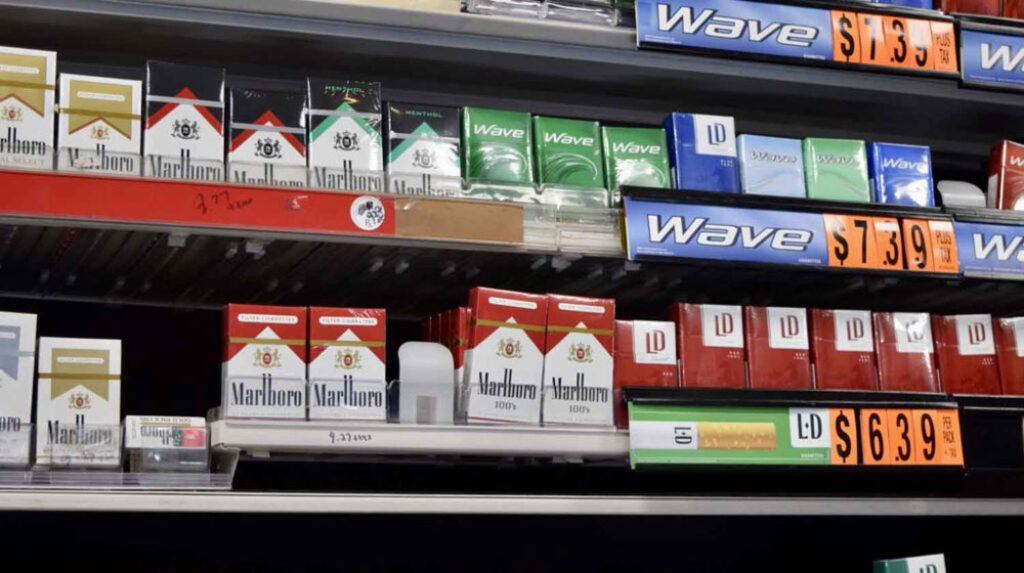
These numbers vary by state — cigarette taxes range from $0.17/pack in Missouri to $5.35/pack in New York — and by vaping style. But the pattern holds: vaping consistently costs less, and often much less, than smoking.
The caveat: disposable vape prices have dropped about 70% since 2017 (per Truth Initiative data), while nicotine strength has nearly tripled and e-liquid capacity has quintupled. Cheaper, stronger, bigger — that’s been the disposable market trend, and it’s made the cost argument even stronger for budget-conscious vapers.
Reason #3: Flavor Variety
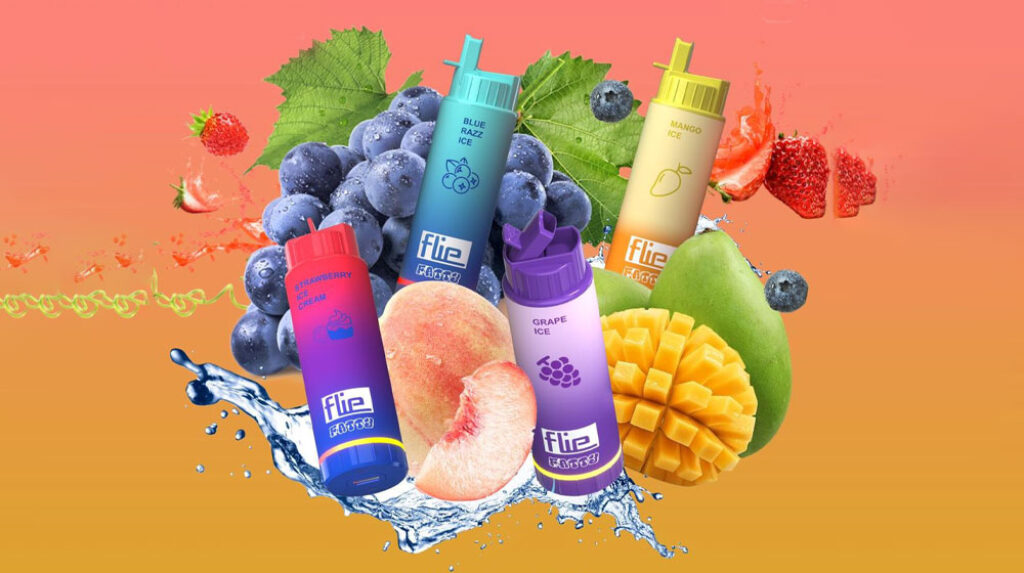
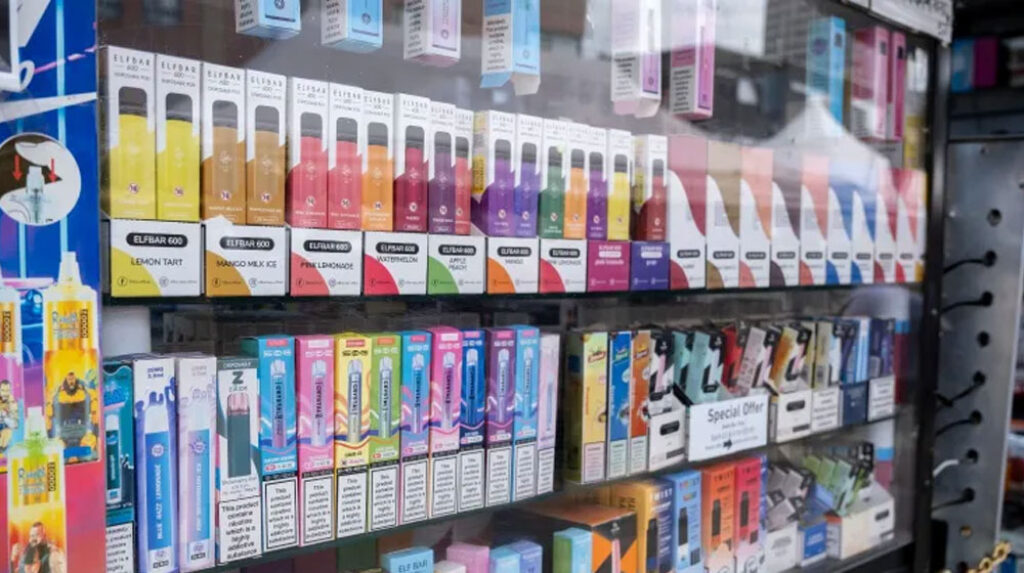
Vape flavors are not a footnote — they’re arguably the single biggest reason vaping took off. The number of available vape products in the US grew from 453 in 2017 to 2,023 by 2022 — a 4x increase in just five years, according to Truth Initiative.
Fruit, dessert, mint, candy, beverage — the range is staggering. And the data backs up how central flavors are to the vaping experience:
- 87.6% of youth vapers use flavored products (CDC NYTS 2024)
- Most popular categories among all ages: fruit (especially ice/frozen fruit), mint/menthol, and candy/dessert
- Adults trying to quit smoking tend to start with tobacco or menthol flavors, then often switch to fruit
- Younger vapers overwhelmingly go straight to sweet and fruit flavors
This is where the youth-adult divide becomes most visible. For adults trying to quit smoking, flavor variety is a tool — it makes vaping more appealing than smoking, which makes it easier to stay off cigarettes. For teens who have never smoked, flavors are the gateway. The CDC’s data shows that flavor availability is a primary driver of youth initiation.
If you’re curious about the full range, our guide to exploring different vape flavors breaks down the most popular options and what makes them work.
Reason #4: Social Connection and Community
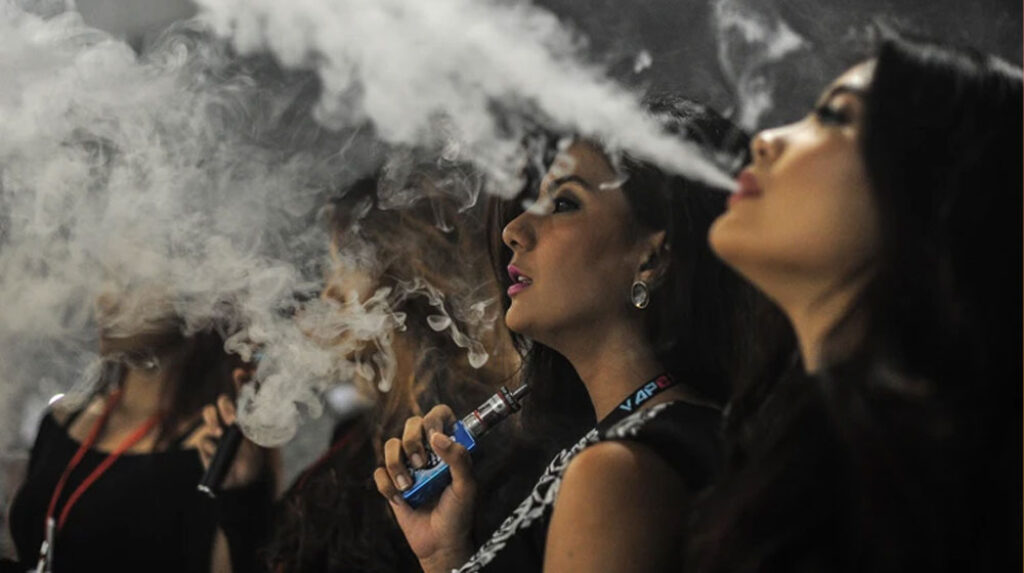
Vaping has developed its own culture in ways smoking never quite did. Part of that is online — Reddit communities like r/electronic_cigarette and r/Vaping host millions of daily discussions about coil builds, flavor recommendations, and troubleshooting. Part of it is physical: vape shops have become community gathering spots in a way that tobacco shops never were, with tasting bars, lounges, and staff who often double as informal cessation coaches.
The social element is especially strong among younger vapers. Truth Initiative research has documented how social media influencers — especially on Instagram and TikTok — drove massive adoption through branded content, often without disclosing brand relationships. JUUL’s 2015 influencer campaign is the textbook case: a product designed to look like a USB drive, promoted by lifestyle influencers, that exploded among teens and young adults.
The social dynamic cuts both ways. For some, vaping connects them to a community of people who share their interest in harm reduction and flavor discovery. For others — especially teens — it’s peer pressure dressed up as a trend. The interplay between “vape culture” and social media has fundamentally changed how a generation interacts with nicotine.
For adults looking for real-world connections, local smoke and vape shops remain the primary hub — places where you can ask questions, try products, and get advice from people who actually know what they’re selling.
Reason #5: Experimentation and Curiosity
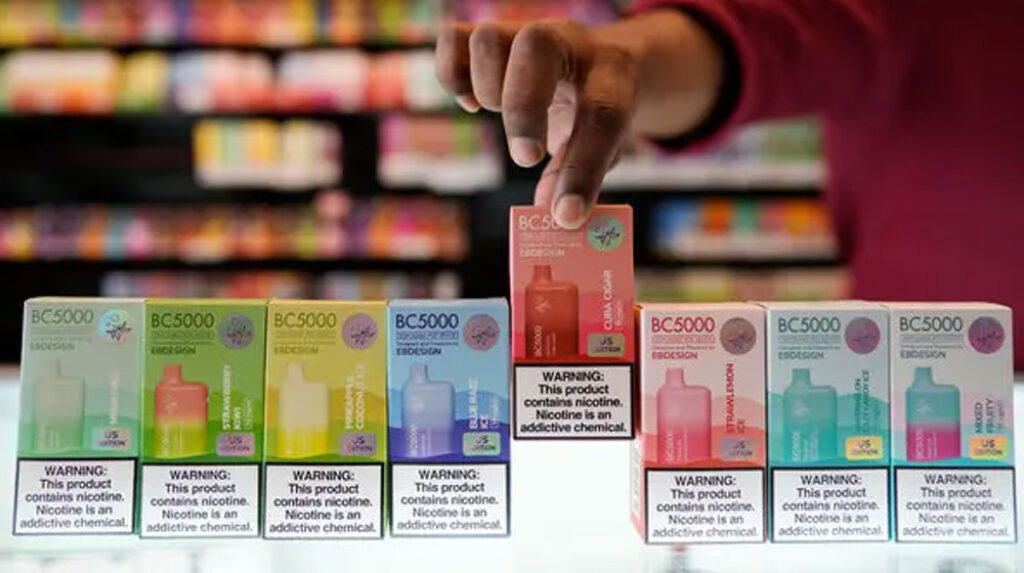
This one is almost entirely about young people. According to a 2016 study in Drug and Alcohol Dependence (still one of the most cited surveys on youth vaping reasons), 53% of 8th graders who vape say they do it “just to try it.” Another 37% cite the taste, and 26% mention peer influence.
The numbers line up with what you’d expect from a generation that’s constantly told “don’t vape” while seeing it everywhere — 75%+ of middle and high school students report being exposed to e-cigarette advertising or promotions, per CDC data.
For these vapers, the reasons are almost never health-related. They’re not trying to quit smoking (almost none of them smoke). They’re not saving money (many are using devices they got from friends). They’re curious, they’re influenced, and they’re surrounded by flavors that smell and taste nothing like tobacco.
The numbers back up how different this is from adult motivations:
| Why They Vape | Teens (12-17) | Adults (18+) |
|---|---|---|
| Experimentation / Curiosity | 53% (top reason) | ~5% |
| Flavor / Taste | 37% | 25% |
| Quit smoking / Reduce harm | <1% | 60%+ (top reason) |
| Social / Peer influence | 26% | 10% |
| Cost savings | 7% | 30% |
| Less harmful than smoking | 17% | 55% |
Sources: Drug and Alcohol Dependence 2016 (teens), CDC MMWR 2023 (adults), Truth Initiative 2023
This is why vaping conversations tend to be so polarized — proponents and opponents are often talking about completely different populations. The adult who successfully quit a 30-year smoking habit using vaping has a fundamentally different experience than the teenager who started vaping out of curiosity and now can’t stop.
The Trend Lines: What’s Changing
The vaping landscape has shifted fast. Here’s what the 2025-2026 data shows:
Disposables dominate — especially among youth. According to the 2024 NYTS, 55.6% of student vapers use disposable e-cigarettes, and brands like Elf Bar, Breeze, and Mr. Fog are the most popular. That’s driven partly by policy: the 2020 federal flavor ban applied to cartridge-based products but explicitly exempted disposables, creating a massive market loophole.
Dual use is common. 29.4% of adult vapers also smoke cigarettes, per the CDC. These “dual users” switch between products depending on context — vaping at home, smoking socially, or when they need a stronger nicotine hit. The 45+ age group is particularly likely to dual-use (42.7%), suggesting that older smokers are more cautious about fully committing to vaping.
Wanting to quit is also common. 63.9% of youth vapers say they want to quit, and 60.1% of adult vapers have tried to quit. Vaping isn’t a one-way street — for many, it’s a phase they’re trying to move past.
Regulation is catching up. The FDA’s PMTA process has only authorized a handful of tobacco-flavored products (NJOY Ace, Vuse Solo, Logic Pro), while thousands of flavored disposables remain on the market illegally. At the state level, California’s statewide flavor ban took effect in 2023, and the UK announced plans to ban disposables outright. For a deeper look at whether vaping has a future, check out our analysis of how regulators are targeting the industry.
Frequently Asked Questions
Is vaping better than smoking?
According to Public Health England, e-cigarettes are approximately 95% less harmful than traditional cigarettes. Vaping eliminates tar and carbon monoxide — the two most dangerous components of tobacco smoke. But “less harmful” isn’t the same as harmless. Nicotine is addictive, and the long-term effects of inhalation are still being studied. Our detailed comparison of vaping and smoking covers the full evidence base.
Can vaping help you quit smoking?
Yes. The Cochrane Review found that nicotine e-cigarettes are more effective for quitting smoking than nicotine replacement therapy alone. The UK’s NHS actively supports vaping as a cessation tool, offering free starter kits through stop-smoking services. See our guide to using vapes for smoking cessation for the full picture.
Is vaping cheaper than smoking?
Substantially. A pack-a-day smoker spends roughly $2,635/year on cigarettes (at $7.22/pack). Switching to disposables drops that to about $180/year — a savings of over $2,400. Even refillable pod systems cost roughly $336/year, compared to thousands for cigarettes.
How many people vape in the world?
82 million globally as of 2021 (Emerald Insight 2023), and the market is projected to grow from $18.3 billion (2023) to $44.1 billion by 2027. The US represents about 29.5% of that market — roughly $54 billion.
What percentage of people vape in the US?
About 4.5% of adults (rising to 6% in some 2022 estimates) and 5.9% of middle and high school students (CDC NYTS 2024) — that’s 1.63 million students, including 1.21 million high schoolers and 410,000 middle schoolers.
Why do teens start vaping?
53% start out of curiosity or experimentation, 37% for the flavors, 26% due to peer influence, and 17% because they believe it’s less harmful than smoking. Only a tiny fraction (<1%) use it to quit smoking, since most teen vapers have never smoked tobacco.
Is nicotine in e-cigarettes bad for you?
Nicotine is addictive but not the primary cause of smoking-related disease — that’s the tar and carbon monoxide from combustion. However, nicotine does affect cardiovascular and neurological systems, especially in developing adolescent brains. The CDC and Surgeon General warn that nicotine exposure during adolescence can harm brain development.
Are disposable vapes getting banned?
Several jurisdictions are moving to ban or restrict disposables. The UK announced plans to ban them (timeline unclear), and California’s AB 762 targets disposable sales. Australia restricts vape access to prescription-only through pharmacies. The patchwork of regulations means the market could look very different in two years.
What’s a normal age to start vaping?
Most youth vaping starts in high school (7.8% of high schoolers vs 3.5% of middle schoolers), with initiation typically between ages 14-16. Adult initiation is rare — almost all adult vapers either smoked previously or started in their late teens.
Does vaping cause EVALI?
The 2019-2020 EVALI outbreak (2,807 hospitalizations, 68 deaths per CDC) was linked to vitamin E acetate in illicit THC vape cartridges — not commercial nicotine vaping products. No link has been found between regulated nicotine vapes and EVALI. But the incident highlights why buying from unlicensed sources is dangerous.
Why is vaping so popular?
Five reasons: (1) perceived as less harmful than smoking, (2) massive flavor variety (2,000+ options), (3) lower cost, (4) social media-driven cultural appeal, and (5) easier to use discreetly than cigarettes. Different populations weight these factors differently — teens prioritize flavors and social influence, while adults prioritize harm reduction and cost.
How many teens want to quit vaping?
63.9% of youth vapers want to quit, and 67.4% have tried to quit in the past year (CDC 2020 data). The desire to quit is higher among teens than many people realize — the stereotype of the “committed young vaper” doesn’t match the data.

What It All Means
People vape for different reasons, and the “why” matters more than the “what.” For a 45-year-old who’s smoked a pack a day for 20 years, vaping is a harm reduction tool that could add years to their life. For a 15-year-old who’s never smoked, vaping is an addictive behavior driven by curiosity, flavors, and social pressure — one that 63.9% of kids in that position later say they want to quit.
The best arguments about vaping — both for and against — start by acknowledging that these two vapers barely exist in the same category. The data supports both positions: vaping is dramatically less harmful than smoking, AND it has created a new generation of nicotine users who never would have started otherwise.
That tension doesn’t have a simple resolution. But understanding the real reasons people vape — backed by real numbers — is the first step toward having an honest conversation about it.
If you’re new to vaping or considering making the switch, our beginner’s guide to getting started covers the basics of devices, nicotine strengths, and safety. And for how nicotine affects your body once it’s in your system, our deep dive on nicotine’s physiological effects has the research you need to make an informed choice.
Disclaimer: This article is for informational purposes only and does not constitute medical advice. Nicotine is an addictive substance. Vaping products are intended for adults 21+ who already use nicotine or tobacco. If you don’t smoke or vape, don’t start.



Build your vape knowledge
Read more guides
Find explainers, how-to articles and reference material.
Open guide library →Compare vape products
Check specifications across the product database.
Open product data →Read hands-on reviews
See tested devices and documented trade-offs.
Read review coverage →