

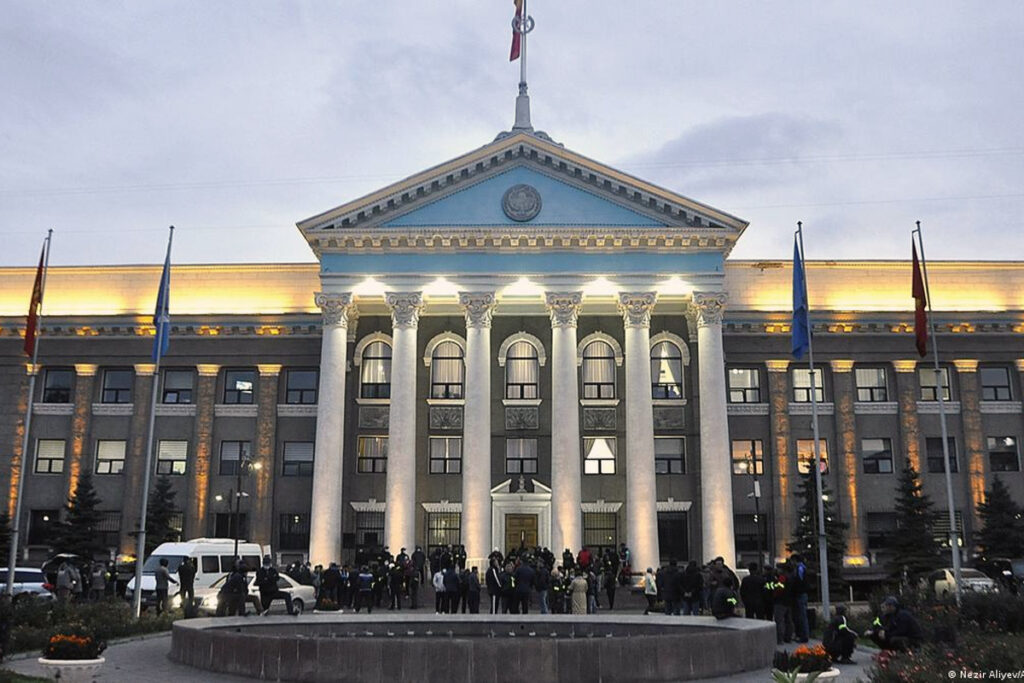
Bishkek — Kyrgyzstan’s parliament has stepped back from an immediate prohibition on e‑cigarettes, sending two anti‑vaping bills back for redrafting after officials warned that a blanket ban could fuel illicit trade and drain the budget.
On January 13, 2026, the Jogorku Kenesh Committee on Labor, Healthcare, Women and Social Affairs voted to withdraw for revision:
- a draft law “On the prohibition of the use of electronic nicotine delivery systems (ENDS) and electronic cigarettes in the Kyrgyz Republic,” and
- a companion bill amending several statutes, including the Law “On protecting the health of citizens of the Kyrgyz Republic from the consequences of consumption of tobacco, nicotine and exposure to tobacco smoke and aerosol,” and the Code of Offenses.
Committee members said the texts will be reworked to reflect accumulated comments and proposals, and then resubmitted to the full Jogorku Kenesh for debate.
The move follows a previous plenary discussion in which deputies and representatives of the State Tax Service argued that a total ban may prove ineffective. They warned it would likely spur smuggling, suppress tax receipts, and miss an opportunity to bring the category into a legal, taxable framework with oversight.
Why this matters
- Policy direction: Pulling the bills signals that Kyrgyzstan is not yet settled on prohibition. Lawmakers appear open to alternatives that combine public‑health aims with enforceability and fiscal considerations.
- Enforcement reality: Land borders and established informal routes in the region make outright bans difficult to police. Where bans have been tried, illicit markets tend to expand while product quality becomes harder to control.
- Fiscal trade‑offs: Excise design, licensing fees, and VAT can be material for a small market; a ban forfeits that revenue while raising enforcement costs.
What the redraft could include
- Narrowing “use” bans toward restrictions on sale, distribution, advertising, public‑place consumption, and youth access rather than criminalizing end‑users.
- Excise and licensing: Assigning tax rates, registries for importers/retailers, and penalties in the Code of Offenses to deter illegal trade.
- Product standards: Basic safety and labeling rules, age verification, and retail channel limits; potential flavor or nicotine caps if youth uptake is a central concern.
- Clear roles for the State Tax Service and health authorities on enforcement and compliance.
Kyrgyzstan’s committee has opted for pragmatism over speed. The redraft phase creates space to reconcile public‑health goals with tax and enforcement realities. Whether the end product is a softened prohibition or a regulated market, the next version will likely be more operationally grounded—and that makes it more likely to stick


Follow the wider vape market
Read the latest vape news
Track regulation, launches and industry updates.
Open vape news →Browse product data
Move from market news to device specifications.
Open product data →Check product reviews
Read independent testing and comparison reports.
Read review coverage →