

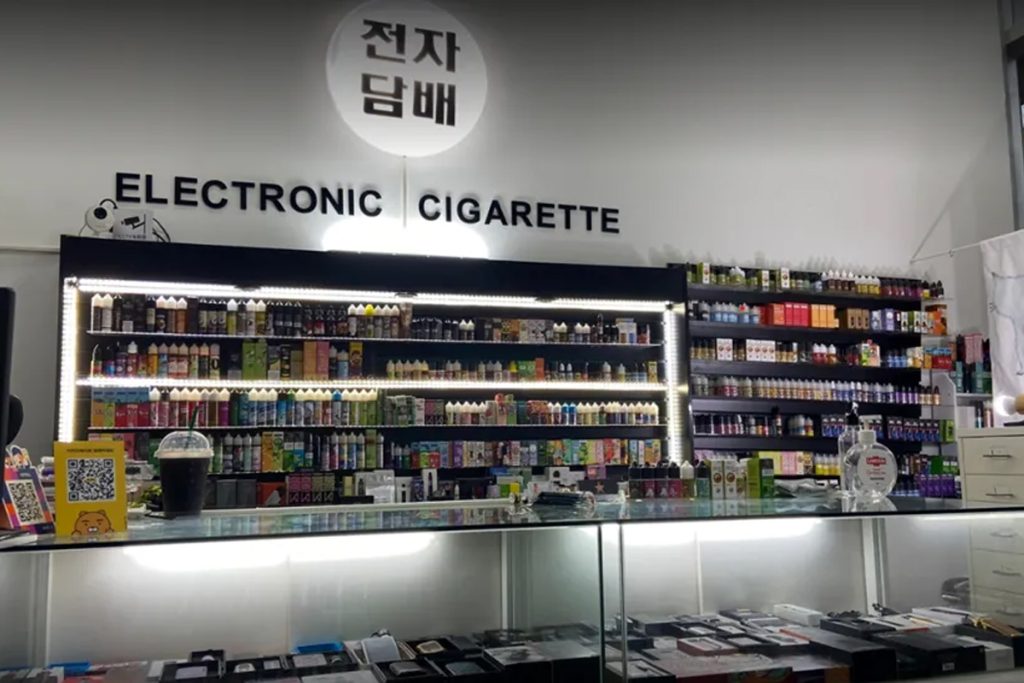
South Korea has finalized which “harmful constituents” tobacco companies must disclose, locking in a 44-item list for conventional cigarettes and heated tobacco, and a 20-item list for nicotine e-liquids. The move operationalizes the Tobacco Harmful Substances Management Act, which took effect earlier this month, and sets a new testing-and-disclosure cadence for the market.
What changes now
- Biennial disclosure: Manufacturers, importers, and sellers must declare every two years whether each listed constituent is present in their products sold domestically.
- Scope: For cigarettes and heated tobacco, the list includes nicotine, tar, carbon monoxide, benzene, and 40 other items (44 total). For e-liquids, the list includes nicotine, formaldehyde, acetaldehyde, and 17 others (20 total).
- Testing timeline: Companies must commission laboratory analyses before January next year; public disclosure of results is expected to begin in the second half of next year.
- Ongoing compliance: Every SKU must be re-tested on a two‑year cycle; new products must be submitted for testing within one month of market launch.
- Rationale: Health authorities framed the rules as safeguarding the public’s right to know and protecting public health.
The tar debate
A flashpoint has emerged over the government’s decision to include “tar” in the disclosure list for cigarettes and heated tobacco. The consumer group Consumers Public Interest Network argued in a filing to the Ministry of Food and Drug Safety (MFDS) that tar is not a single constituent but a mixture—better understood as Total Aerosol Residue—comprising roughly 2,000 chemical species, some harmful and some not (e.g., glycerol in certain products). The group contends that classifying tar as a “constituent” for statutory disclosure is legally questionable.
MFDS itself noted in a 2017 release that tar “cannot be viewed as a single toxic substance,” a point now resurfacing as civil society pushes for constituent-level transparency rather than an aggregate measure that blends multiple chemicals.
Why it matters for the vape and heated tobacco sector
- Heated tobacco aligns with cigarette rules: HTPs fall under the 44-constituent framework, pulling them into more intensive testing and disclosure than many markets currently require.
- E-liquids get a defined panel: The 20-compound set formalizes expectations for lab readiness across nicotine, carbonyls (e.g., formaldehyde, acetaldehyde), and other priority analytes, likely standardizing panels used by Korean labs.
- Faster launch gating: The one-month post-launch testing trigger tightens commercialization timelines and demands pre-arranged lab capacity to avoid supply interruptions.
- Labeling and communications: While the law targets disclosure, not on-pack emissions ratings, expect pressure to harmonize consumer-facing materials with the disclosed results once they go public.
- Legal precision vs. public clarity: The tar dispute underscores the tension between an easily understood aggregate metric and the legal/technical rigor of constituent-by-constituent reporting.
What companies should do next
- Lock lab partners and methods now; confirm they can cover the full 44/20 panels under Korea’s approved methods and reporting formats.
- Map SKUs to testing windows to meet the January deadline and the rolling two‑year cycle; build triggers for reformulations and new launches.
- Prepare disclosure-ready data summaries that anticipate public release in H2 next year; align regulatory, QA, and comms teams.
- For heated tobacco, validate aerosol collection protocols that robustly quantify both individual constituents and aggregate metrics to navigate the tar controversy.
- Monitor MFDS guidance for any refinements to definitions, especially around tar and constituent classification.
Regulatory agencies
The Ministry of Health and Welfare and the MFDS confirmed the lists after a meeting of the Tobacco Harmfulness Management Policy Committee on the 13th, setting the compliance clock in motion across all tobacco products sold in Korea.
We’ll track subsequent guidance, lab method specifications, and any legal challenges that could reshape the status of tar in the disclosure regime.




Follow the wider vape market
Read the latest vape news
Track regulation, launches and industry updates.
Open vape news →Browse product data
Move from market news to device specifications.
Open product data →Check product reviews
Read independent testing and comparison reports.
Read review coverage →