

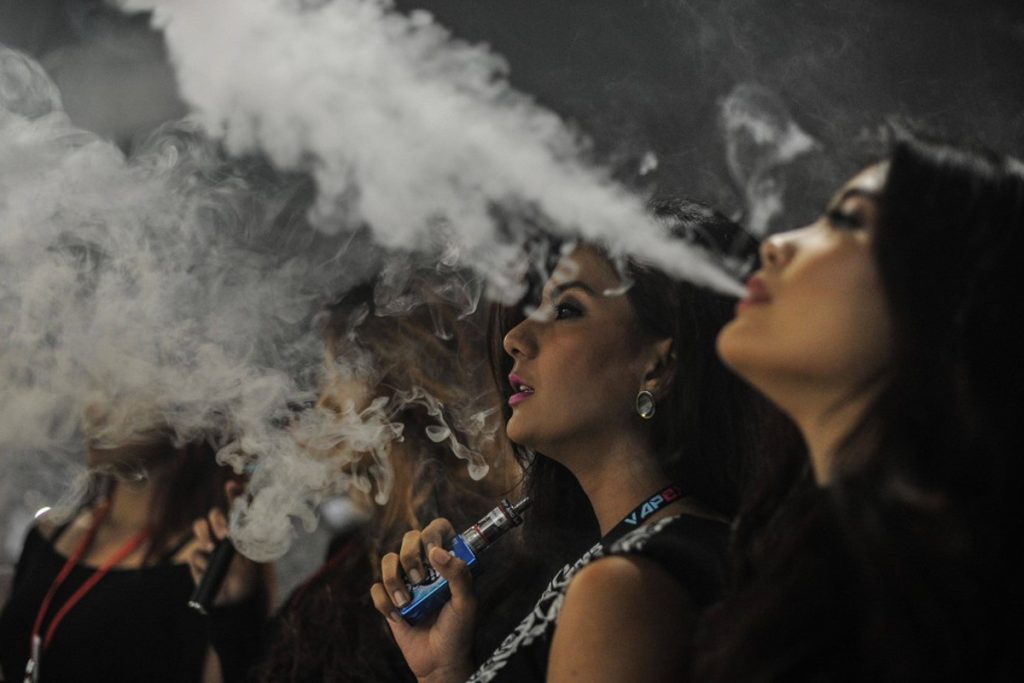
Highlight: Health experts are sounding serious alarms regarding a surge in vaping use among Indian teenagers, stressing that common assumptions about its relative safety compared to traditional smoking are unfounded.
An image flashed in my mind recently – young Deepak, barely seventeen, complaining of chest ache and persistent coughs between classes. Doctors initially diagnosed respiratory irritation. But the history revealed his friends had started using vapes a few months prior, not cigarettes. The relief wasn’t complete until we understood this less talked-about hazard: electronic nicotine delivery systems (ENDS) affecting youth differently than adults.
The widespread concern was articulated most clearly at an awareness campaign in Chennai organized by Mothers Against Vaping. Standing room only included pulmonologists and psychologists detailing a significant, potentially devastating health trend often overshadowed by the government’s rigid stance. Dr K.K. Handa of Medanta Hospital delivered perhaps the strongest rebuke to naive assumptions: “If one puff is safe, why are concerns being raised even for that much? The widely held belief that vaping is safer than smoking is entirely false.” He wasn’t just warning; he was challenging a core misconception embraced by many.
He explained that vaping induces immediate symptoms like coughing and shortness of breath. But the long-term implications were painted starkly: potential lung damage, increased susceptibility to infections due to weakened immunity and stamina (as Dr Harish Bhatia emphasized), mental health disturbances including anxiety and depression, and terrifyingly – even the risk of device explosions. While these risks are known globally, their specific impact on Indian youth required urgent attention.
My work often intersects with adolescents struggling with various addictions or harmful habits. Deepak shared how he tried “just one puff” out of curiosity among his peers during summer break. The physiological vulnerability is crucial; teenagers’ developing bodies metabolize and respond to toxins differently than adults. As Dr Rajesh Gupta pointed out, the harm extends beyond physical risks: “Beyond the physical damage… nicotine affects brain development in children.” It impairs attention, learning capacity, memory function – processes vital for navigating adolescence successfully.
We explored how vapes appeal to younger audiences is not just through direct health consequences but also emotional ones. Dr Bhavna Barmi illuminated this point beautifully: teens often utilize vaping as a form of coping or distraction from emotional distress. That makes school-based awareness programs and parent-teacher initiatives even more vital, perhaps focusing less on the device’s danger and more on equipping young minds with emotional management skills without stigma.
This brings us back to legality. It seems almost counterintuitive – India has among the world’s toughest written laws against e-cigarettes through PECA 2019. Yet, as Mothers Against Vaping powerfully demonstrated, enforcement remains lamentably weak regarding specific youth usage and availability of all related products online.
The sheer volume under digital radar confirms this concern: hundreds of websites operate openly selling banned goods right now within our own borders alongside parallel underground markets valued in crores ($3.2 million equivalent based on average). The law prohibits the manufacture, sale, distribution, import, and advertisement. Sanctions are harsh (fines up to Rs 1 lakh plus jail for first time offenses), but their application remains sporadic.
While acknowledging past seizures worth over Rs.4 crore signifies effort rather than a successful curb, it starkly highlights India’s failure to police the digital space effectively where many youths discover these products discreetly, believing their online purchase carries less legal consequence or parental awareness risks due to perceived anonymity and ease of access on gadgets they carry constantly.
Watching other nations leapfrog us is sobering indeed. The UK recently decided for disposable vapes ban as of June 2025; meanwhile, some sites bypass that by shipping internationally accessible devices. France and Ireland show how European powers started stricter policies now, banning flavored disposable forms outright while focusing on plain packaging regulations globally known to reduce appeal factorially among youth drawn in initially precisely by these flavors.
Australia’s imminent July 2025 rollout underscores commitment levels – requiring high-purity nicotine supply under tight new packaging safety rules, potentially offering safer alternatives if government actively promotes regulated products. South Africa implemented similar legislation this year too.
Contrast the international focus on banning disposable vapes, implementing flavor regulations, and requiring plain packaging against merely on-paper bans enforced so feebly via seizures that barely scratch the surface of online sales channels operating at scale daily across multiple platforms even now when I check live data from common shopping apps and social media marketplaces. The world is moving decisively into regulation mode while India has a strong law on paper – but weakness in action, particularly digital surveillance.
The core issue extends beyond legal frameworks or technological solutions alone though. It demands multifaceted collaboration crucial for stemming this tide effectively:
- Strengthen Enforcement: This isn’t about tightening the law further than PECA? But rigorously implementing it online through dedicated digital squads, AI monitoring tools trained to detect forbidden product listings even across encrypted channels.
- Implement Flavor Bans or Restrictions: As seen elsewhere, flavors are a major draw for youth – plain packaging with unobtrusive logos potentially reduces appeal when paired appropriately perhaps mirroring existing alcohol regulations more closely here than isolated laws against selling adult targets flavored items do currently.
- Focus Public Education Campaigns: Beyond simply listing warnings (like Mother’s Against Vaping initiative), campaigns should actively counter misinformation, highlight the gateway potential and neurodevelopmental risks for young people, engage parents effectively through schools, perhaps funded robustly by central government authorities like Health Ministry or centrally sponsored schemes.
- Integrate Emotional Literacy: Policy suggestions should perhaps integrate school counseling more heavily into emotional coping mechanisms – how to say ‘no’, refusal skills (even with a potentially shamed response if parents themselves offer confusing/misguided advice) as well as psychological support networks for those already vaping or struggling related addiction issues.
This emerging crisis isn’t just about individual choice; it is a fundamental threat to the future health, productivity, and societal well-being of millions. It demands more than legislative lists – it requires enforcement muscle shown globally through Tobacco and Vapes Bill equivalent frameworks, parental vigilance informed by facts (not judgment), doctor communication grounded in science rather than general warnings, and crucially, public education scaled up properly.
The government’s challenge is immense. The path to robust regulation may require significant investment of time and resources – perhaps aligning specific tobacco control funding sources within budgetary allocations to prioritize this issue. But the cost of inaction far outweighs any potential short-term revenue gains or perceived liberties preservation for big digital retailers.
The health implications, compounded by financial burdens potentially incurring later through device addictions or related illnesses that burden family resources and drain public healthcare funds demand immediate, decisive, multifaceted government action. As parents mobilize organizations like Mothers Against Vaping (ironically making a point via a vehicle itself), the onus is clear: safeguarding India’s youth isn’t optional – it is policy.



Follow the wider vape market
Read the latest vape news
Track regulation, launches and industry updates.
Open vape news →Browse product data
Move from market news to device specifications.
Open product data →Check product reviews
Read independent testing and comparison reports.
Read review coverage →