

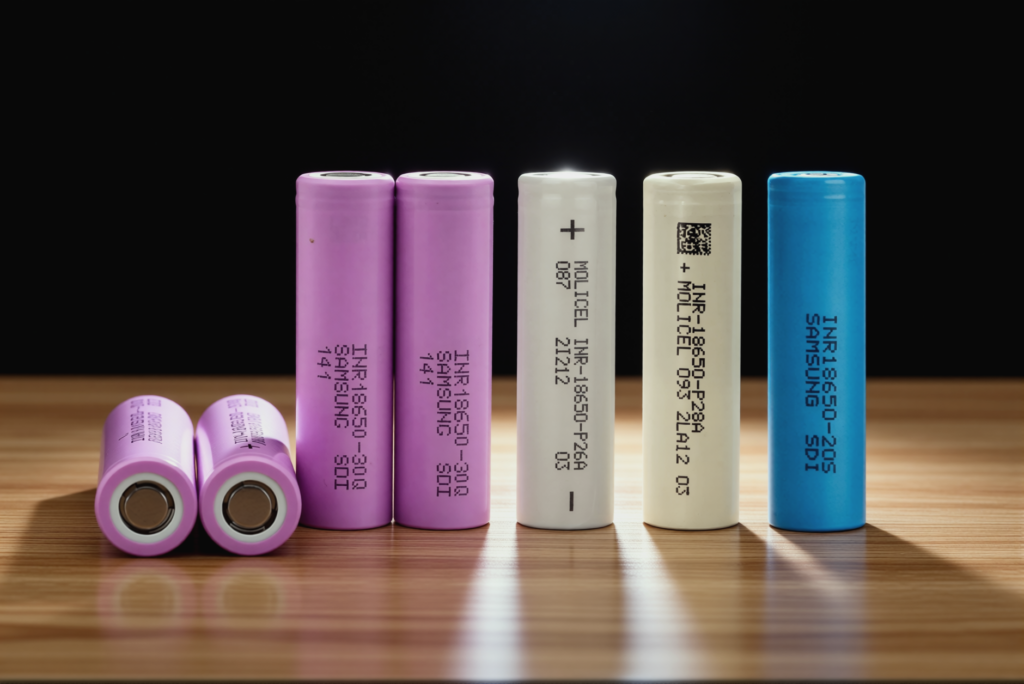
⚠️ Battery Safety Warning
Using the wrong battery or a fake cell in your vape can result in thermal runaway, venting, or explosion. This guide only recommends batteries from trusted manufacturers (Molicel, Sony/Murata, Samsung) with verified CDR ratings. Never exceed a battery’s continuous discharge rating. If a deal looks too good to be true, it probably is.
For adults 21+ only.
Why Your 18650 Choice Matters
Ask any experienced vaper what matters most for a safe, satisfying vape, and they won’t talk about wattage or airflow — they’ll talk about the battery sitting inside their mod. The 18650 is the beating heart of every tube mod and most dual-battery box mods on the market, and using the wrong one turns a great vaping experience into a genuine safety hazard.
Here’s the short version: if you vape below 40 watts, grab the Samsung 30Q for marathon runtime. Between 40–75 watts on a single battery? The Molicel P26A or Sony VTC5A is your sweet spot. Pushing 100W+? You want the Samsung 20S or Molicel P28A. Running a dual-battery mod at high wattage? The Molicel P26A is hard to beat.
And please — stay away from rewraps and cells claiming 40A+ CDR. No 18650 on the market has a verified continuous discharge rating above 35A. Any label telling you otherwise is lying. We’ve tested the seven cells below through real-world vaping, and these are the ones we trust.
Quick comparison
| Battery | Capacity | CDR | Best For | Approx Price |
|---|---|---|---|---|
| Molicel P28A | 2800mAh | 35A | Best All-Around | $8–10 |
| Molicel P26A | 2600mAh | 35A | Best High-Wattage | $7–9 |
| Sony/Murata VTC5A | 2500mAh | 25A | Best Balanced | $8–11 |
| Sony/Murata VTC6 | 3000mAh | 20A | Best Runtime for MTL | $8–10 |
| Samsung 25S | 2500mAh | 25A | Best for Sub-Ohm | $6–8 |
| Samsung 30Q | 3000mAh | 15A | Best Budget MTL | $5–7 |
| Samsung 20S | 2000mAh | 30A | Best for 100W+ Builds | $6–8 |
Our 18650 Battery Picks
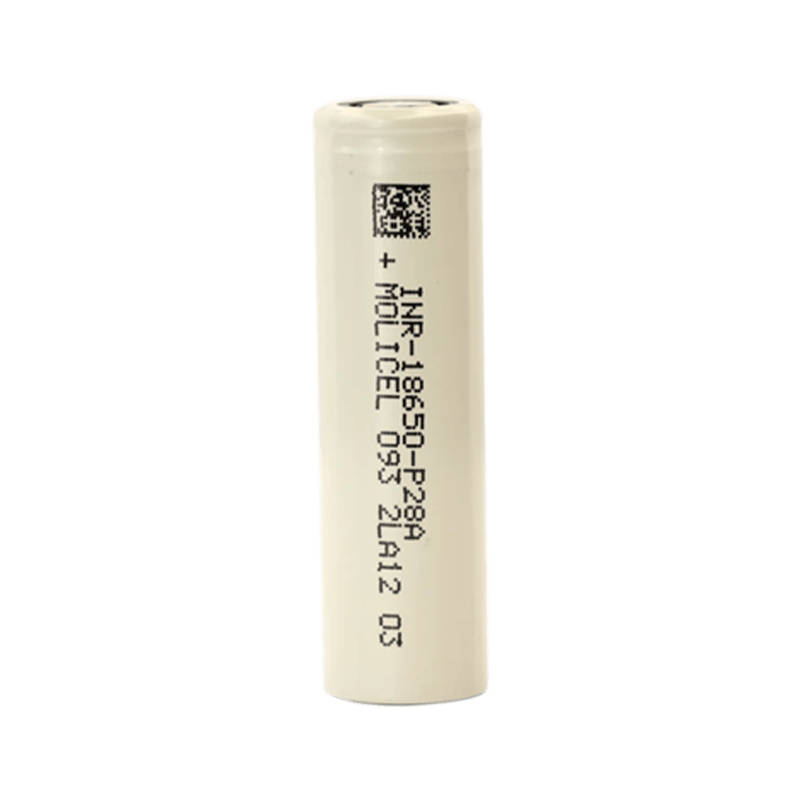
Molicel P28A
2800mAh capacity | 35A CDR | 40A max pulse | INR chemistry
The P28A is the battery we reach for when we can only carry one cell. Molicel managed to pack 2800mAh behind a legitimate 35A continuous discharge rating — that’s a combination no other 18650 matches right now. In testing, it held voltage steady at 75W on a single-battery mod, and runtime was noticeably longer than the P26A without giving up much in the punch department. At 100W on a dual-battery setup, the P28A showed minimal voltage sag compared to older 25A cells. The mod stayed cool, and we got solid session length before hitting 3.2V. It runs slightly warmer than the P26A at the very top of its range, but the trade-off for extra capacity is worth it for most vapers.
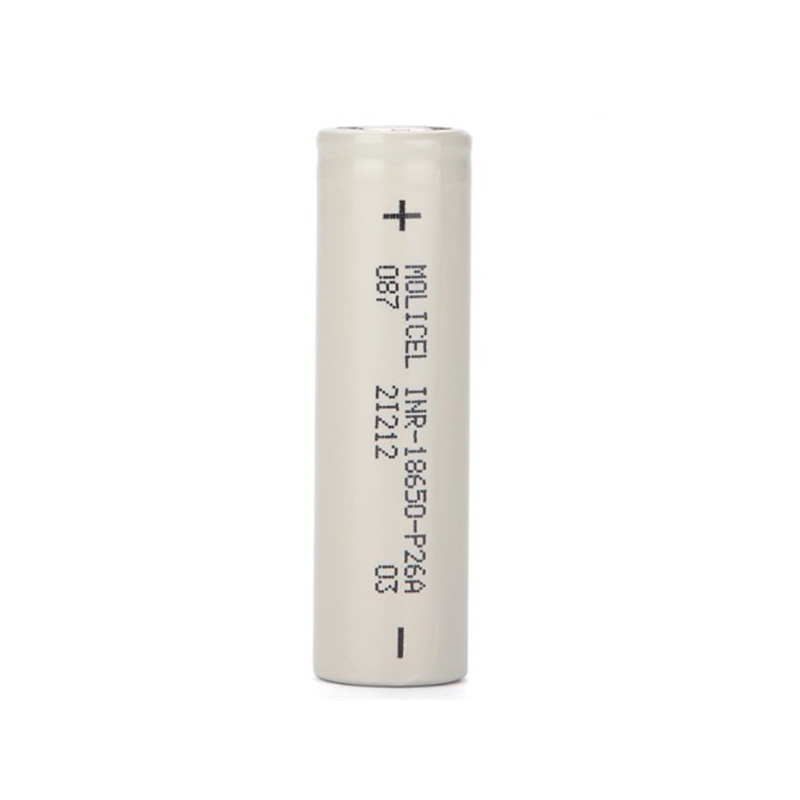
Molicel P26A
2600mAh capacity | 35A CDR | 40A max pulse | INR chemistry
If your setup lives above 75W on a single battery or you’re running a dual-battery mod at 130W+, the P26A is the cell you want. It’s been the high-drain king since it launched, and for good reason — the voltage sag under heavy load is among the lowest we’ve measured on any 18650. At 80W single-battery, it barely breaks a sweat. Runtime is decent for a 2600mAh cell. You won’t get marathon sessions, but that’s not what this battery is for. It’s built for power delivery, and it delivers. We’ve run these through hundreds of cycles in dual-battery mods and they hold up well, with capacity degradation staying under 10% after 200 charge cycles.
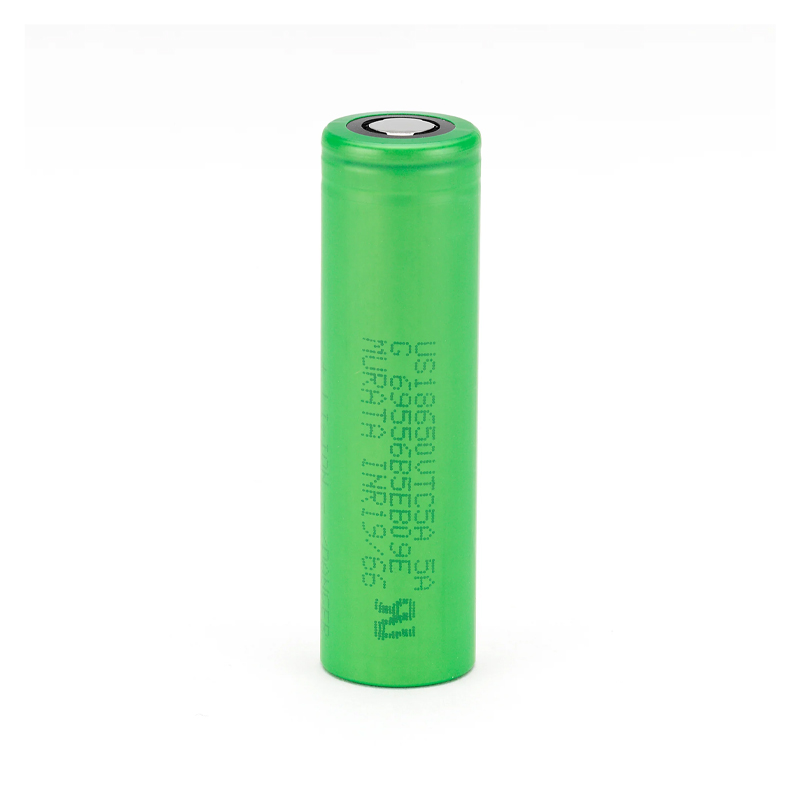
Sony/Murata VTC5A
2500mAh capacity | 25A CDR | 35A max pulse | INR chemistry
The VTC5A has been a staple in the vaping community for years, and it’s still one of the most well-rounded cells you can buy. Sony (now Murata) built this thing right — 2500mAh gives you solid runtime at moderate wattages, and the 25A CDR covers most single-battery setups up to about 75W without strain. In our real-world testing, the VTC5A felt right at home in the 40–65W range on a single-battery mod. Voltage sag was minimal, the cell stayed cool, and we consistently got through a full workday of moderate vaping on a charge. It’s not the highest CDR, not the highest capacity, but the balance between the two is hard to beat for everyday use.
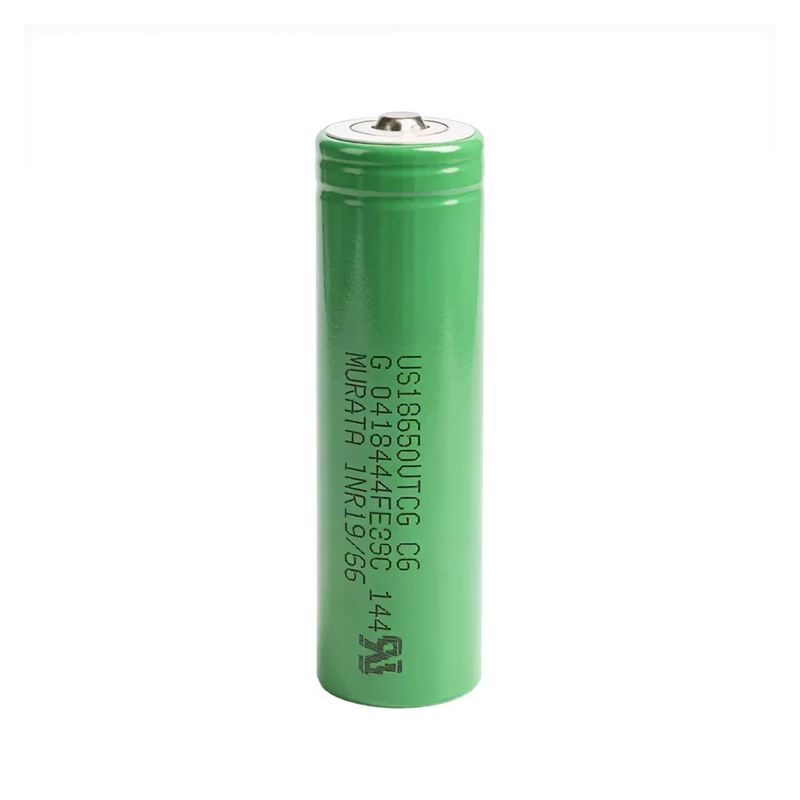
Sony/Murata VTC6
3000mAh capacity | 20A CDR | 30A max pulse | INR chemistry
If you’re an MTL vaper running 8–20W, the VTC6 is basically a fuel tank. Three thousand milliamp-hours means you can go a full day — sometimes two — on a single charge. At MTL wattages, the 20A CDR is more than enough headroom, and the cell barely gets warm. We tested the VTC6 in a single-battery MTL mod at 12W and ran it for nearly 14 hours of intermittent use before the low-battery warning. That’s impressive. At 25W on a restricted-direct-lung setup, runtime dropped to about 8 hours, still very respectable. Voltage sag is negligible at these power levels.
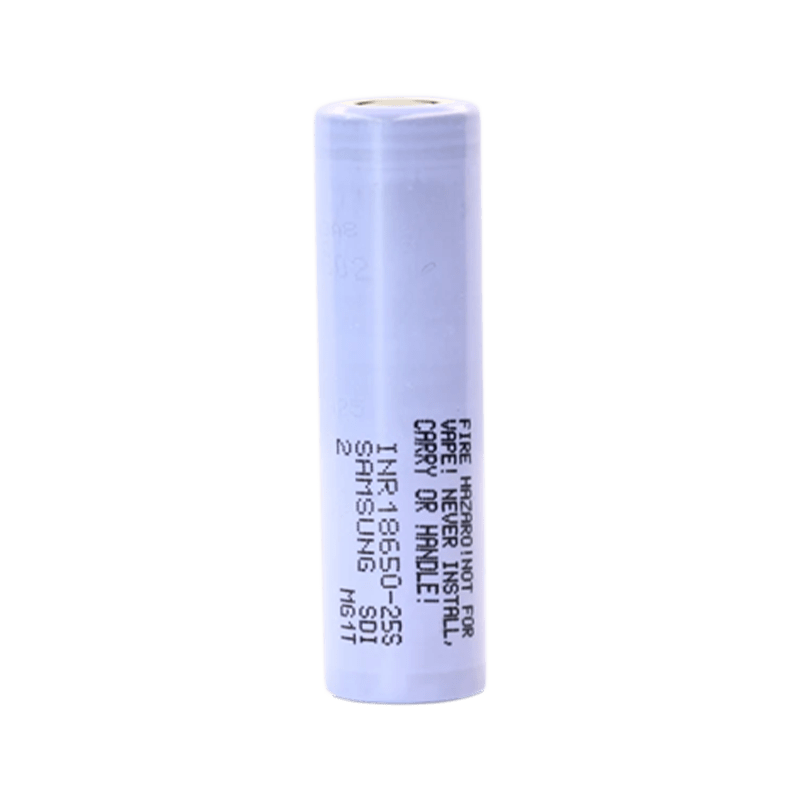
Samsung 25S
2500mAh capacity | 25A CDR | 35A max pulse | INR chemistry
The Samsung 25S sits in that sweet spot for sub-ohm vapers who want decent runtime without giving up safety margin. At 25A CDR with 2500mAh, it handles 40–75W single-battery builds comfortably and runs cool doing it. Samsung’s quality control is legendary, and the 25S is no exception — consistent cell-to-cell performance across every unit we’ve tested. Running a 0.3Ω build at 55W, the 25S delivered smooth, consistent power with barely noticeable voltage sag. Runtime came in around 4–5 hours of heavy use. It doesn’t have the extreme headroom of the P26A or P28A, but for the vast majority of sub-ohm vapers, it’s more than enough. And it’s usually a dollar or two cheaper than the Molicel options.
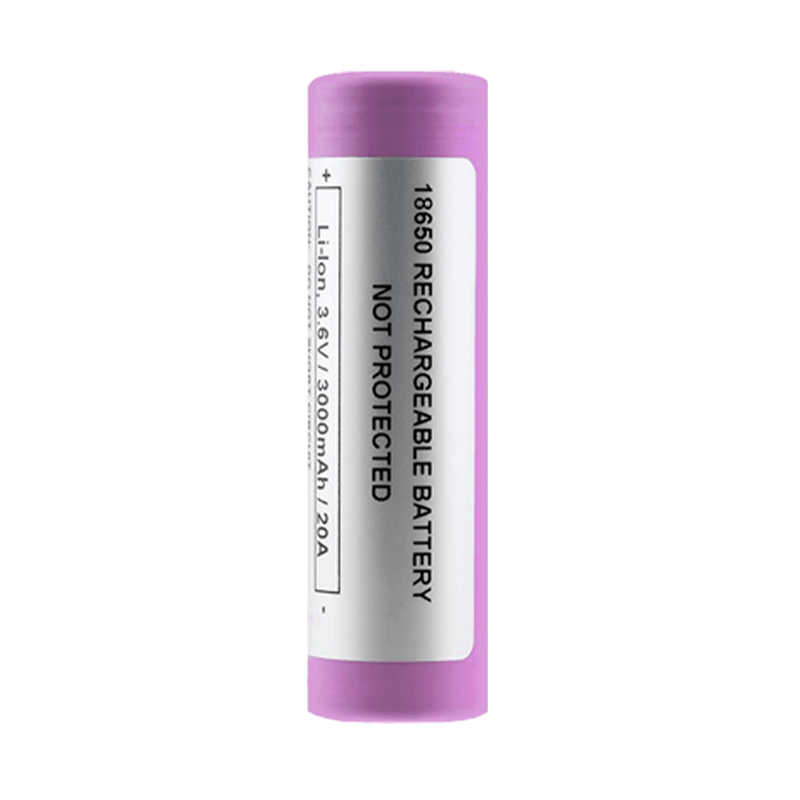
Samsung 30Q
3000mAh capacity | 15A CDR | 20A max pulse | INR chemistry
The Samsung 30Q is the budget MTL vaper’s best friend. It’s usually the cheapest 3000mAh cell from a major manufacturer, and for low-wattage vaping, it performs nearly identically to the VTC6. If you vape at 20W or below, you will not notice a difference between this and cells that cost twice as much. We ran the 30Q head-to-head with the VTC6 in identical MTL setups at 15W. Runtime was within 15 minutes of each other over multiple tests. The 30Q ran just as cool and showed similar voltage curves at these low draw levels. Where it falls behind is at higher wattages — past 45W single-battery, the 15A CDR means you’re operating too close to the limit for comfort.
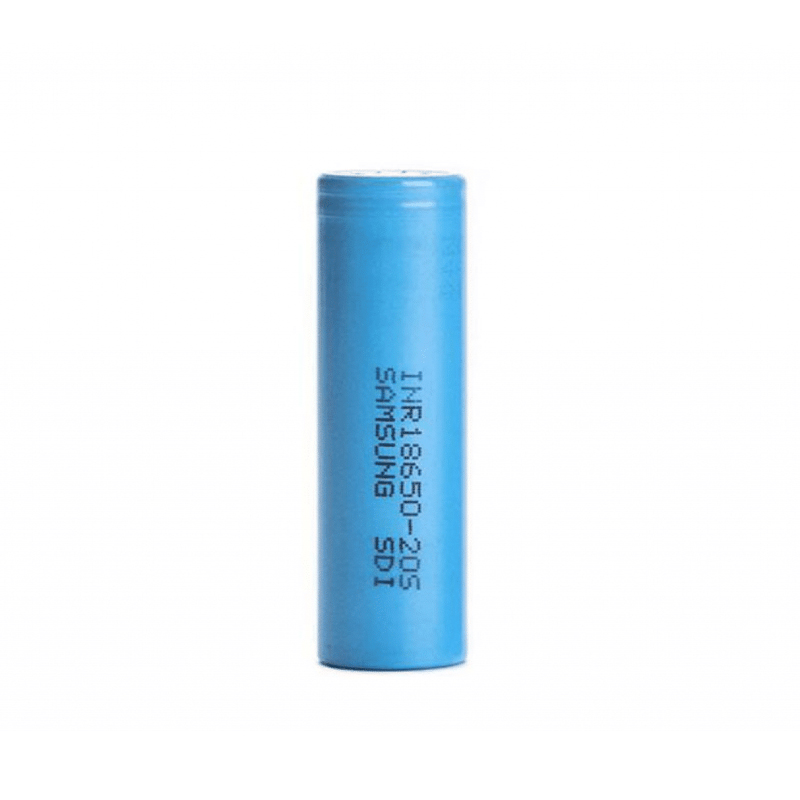
Samsung 20S
2000mAh capacity | 30A CDR | 40A max pulse | INR chemistry
When you’re pushing serious wattage — 100W+ on a single battery, 180W+ on a dual — you need a cell that can dump current without folding. The Samsung 20S is built for exactly that. With a 30A CDR, it handles extreme loads that would make most 18650s sag hard or overheat. At 110W single-battery, it held voltage better than any cell we tested except the Molicel P26A. The trade-off is capacity. Two thousand milliamp-hours means you’ll be charging frequently. In our 100W single-battery test, we got roughly 2.5 hours of use. On a dual-battery mod at 150W, that stretched to about 3.5 hours. But if you need this kind of power delivery, you already know runtime isn’t the priority — clean, safe power delivery is.
How to Match Battery to Wattage
Picking the right battery starts with one question: how many watts do you vape at? Once you know that, the math is straightforward. The amperage your build pulls is equal to your wattage divided by the number of batteries times nominal voltage (3.7V):
Amps = Watts ÷ (number of cells × 3.7V)
So if you’re running 75W on a single-battery mod, you’re pulling about 20.3A. On a dual-battery mod at 150W, each cell sees about 20.3A as well. Always pick a battery whose CDR exceeds your calculated draw by at least 10–15% — that’s your safety margin.
| Wattage Range | Amps (per cell) | Recommended Batteries |
|---|---|---|
| 1–30W (MTL) | 1–8A | Samsung 30Q, Sony VTC6 |
| 30–60W (RDL/Low Sub-Ohm) | 8–16A | Sony VTC5A, Samsung 25S, Molicel P28A |
| 60–90W (Sub-Ohm) | 16–24A | Molicel P28A, Molicel P26A, Samsung 20S |
| 90–130W (High Power) | 24–35A | Molicel P26A, Samsung 20S |
| 130W+ (Dual Battery) | 18A+ per cell | Molicel P26A, Molicel P28A, Samsung 20S |
Using a sub-ohm tank at 50W? A 25A cell like the VTC5A or Samsung 25S gives you plenty of headroom. Building on a starter setup at 15W? The Samsung 30Q will run all day. The key is never pushing a battery to its rated limit — always leave room.
CDR vs Max Discharge: What’s the Difference?
This is where a lot of confusion — and danger — comes in. CDR (Continuous Discharge Rating) is the amperage a battery can deliver non-stop without exceeding safe temperature limits. It’s the number that matters for vaping safety. Max discharge (sometimes called “pulse rating”) is a short-burst number that manufacturers measure over seconds, not minutes. Vaping pulses current, so pulse ratings seem relevant — but your pulse duration, rest time, and ambient temperature may not match the manufacturer’s test conditions.
The safe approach: always base your battery choice on CDR. If your calculated amp draw at your wattage exceeds a battery’s CDR, pick a higher-rated cell. Simple as that. Pulse ratings are useful for understanding absolute limits, but they should never be your primary selection metric.
Battery Safety Essentials
These six rules are non-negotiable. Batteries store a lot of energy in a small package, and ignoring these basics can lead to venting, fires, or worse.
- Never exceed CDR. If your build pulls 25A, use a 25A+ battery. Period. No excuses. Calculate your draw, pick a cell with headroom.
- Marry your batteries. In a multi-battery mod, always use the same brand, model, age, and charge level. Buy them as a set, charge them together, use them together, retire them together.
- Inspect wraps regularly. A torn or damaged wrap can cause a hard short against your mod’s metal body. Replace damaged wraps immediately — it takes two minutes and a hair dryer.
- Use a proper charger. Dedicated external chargers (like the Xtar or Nitecore series) are safer and gentler on cells than charging through your mod. They also let you monitor each cell individually.
- Don’t mix brands in the same mod. Different cells have different internal resistance and discharge curves. Mixing them can cause one cell to take more load than it should.
- Replace after 300 cycles or 2 years. Even if a battery looks fine, internal chemistry degrades over time and charge cycles. Old cells sag more, run hotter, and hold less charge. Swap them out before they become a problem.
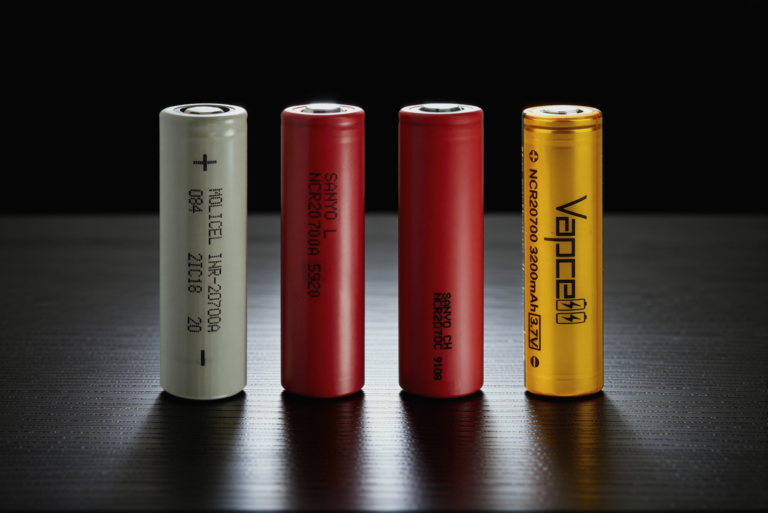
- No QR code or validation code. Samsung, Sony/Murata, and Molicel all include verification codes on their cells. If there’s no code, or the code doesn’t verify on the manufacturer’s site, walk away.
- Misspelled labels or inconsistent fonts. Counterfeiters get details wrong. Compare the label to an image from the manufacturer’s website.
- Prices that seem too good. A genuine Molicel P26A for $3? That’s a fake. Real cells from top manufacturers cost $6–11 for a reason.
- Wrong weight. Genuine 18650s weigh 44–48g. If a cell weighs significantly less (under 40g), it’s likely a fake with a smaller internal cell.
How to Spot Fake Batteries
Fake 18650s are a real problem in the vaping world. These cells often contain recycled or undersized internals wrapped in convincing labels, and they can’t deliver the performance — or safety — they claim. Here’s what to watch for:
Buy only from authorized vendors — battery distributors like 18650BatteryStore, Illumn, or your trusted vape shop. If you’re interested in larger format cells, check our 21700 battery guide as well.
Frequently Asked Questions
What is the best 18650 battery for vaping?
It depends on your wattage. For most vapers in the 40–75W range, the Molicel P28A offers the best mix of capacity and power. High-wattage vapers (75W+) should reach for the Molicel P26A. MTL vapers below 20W will get the best runtime from the Samsung 30Q or Sony VTC6. There’s no single “best” — there’s the best for how you vape.
How long do 18650 batteries last?
On a single charge, runtime ranges from 2–3 hours at high wattage to 12+ hours at MTL power levels. In terms of lifespan, most quality 18650s last 300–500 charge cycles before capacity drops below 80% of original. That’s roughly 1–2 years for a typical vaper. Replace cells that feel hot under normal use, take noticeably less time to charge, or show visible damage.
Can I use any 18650 in my vape?
No. Not all 18650s are created equal. Laptop pulls, flashlight cells, and low-drain batteries may only have a 5–10A CDR — far below what even a 30W vape requires. Using an underrated battery can cause overheating, venting, or explosion. Only use cells with a verified CDR that exceeds your calculated amp draw, and only buy from trusted manufacturers and vendors.
Are rewrapped batteries safe?
Rewrapped batteries — cells sold under a vape brand’s label rather than the original manufacturer’s — are a gamble. Some rewrappers honestly rate their cells, but many inflate CDR numbers to make their batteries look better. The cell inside might only be rated for 20A while the wrap claims 35A. Stick with original manufacturer cells (Samsung, Sony/Murata, Molicel) and you know exactly what you’re getting.
Nicotine Disclaimer: This article is for informational purposes only. Vaping products contain nicotine, a highly addictive substance. Not intended for use by minors, pregnant women, or individuals with heart conditions. If you do not currently use nicotine products, do not start.
Safety Disclaimer: Battery safety information provided here is based on manufacturer specifications and community testing at the time of publication. Always follow your device manufacturer’s instructions and use batteries within their rated limits. The author and publisher are not liable for any injury, damage, or loss resulting from the use or misuse of batteries described in this article.

Very interesting details you have observed, regards for putting up. “I never said most of the things I said.” by Lawrence Peter Berra.
Hi! I just wanted to ask if you ever have any trouble with hackers? My last blog (wordpress) was hacked and I ended up losing months of hard work due to no data backup. Do you have any solutions to protect against hackers?